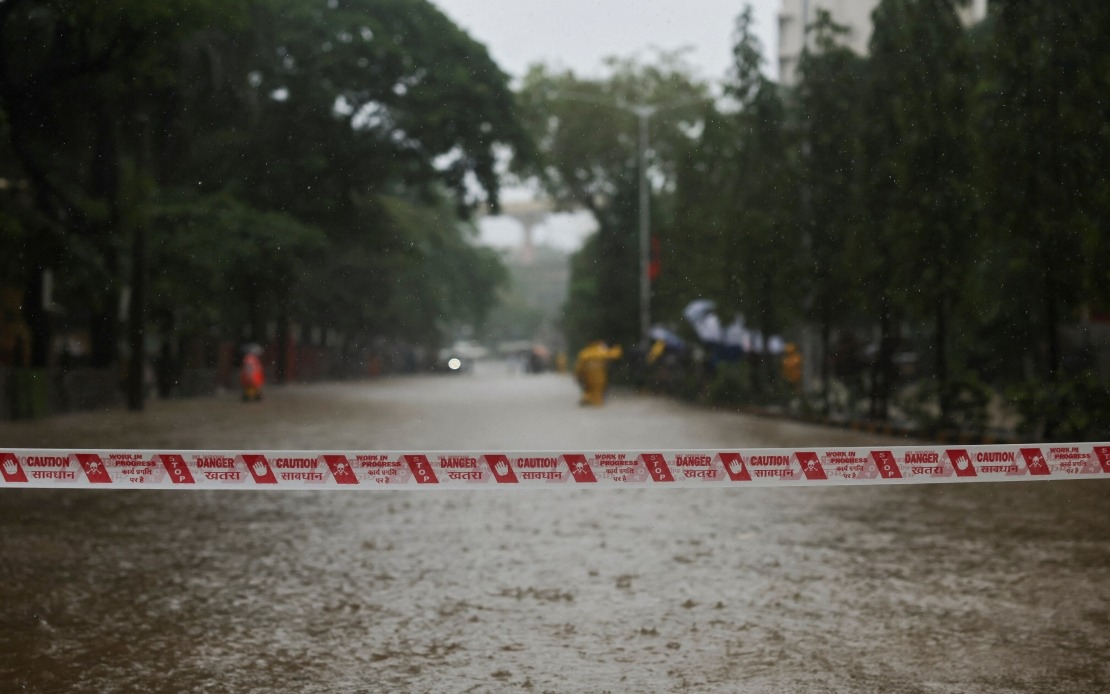
A residential building in Mumbai's Mankhurd district collapsed under the weight of sustained heavy rainfall on Sunday, claiming six lives and leaving one person injured in what authorities are investigating as a potential structural failure. The incident underscores the vulnerability of urban infrastructure across South Asia during the intense monsoon season, a phenomenon that affects millions of people across the Indian subcontinent and poses similar risks to densely populated cities throughout the region, including those in Malaysia and neighbouring Southeast Asian nations prone to seasonal downpours.
State Minister Girish Mahajan, a senior leader with Maharashtra's BJP, confirmed the casualty figures to journalists at the scene, describing the incident as stemming directly from the extreme weather conditions that battered the financial hub. The Mankhurd area, a sprawling residential neighbourhood in eastern Mumbai, bore the brunt of the deluge that swept through the city, though preliminary reports suggest the building's structural integrity may have been compromised long before Sunday's torrential rains exposed its deficiencies.
Investigators have prioritised determining how the structure was originally constructed and what standards, if any, were applied during its development. Mahajan explicitly stated that a formal inquiry would examine the construction methodology and materials used, raising broader questions about building code enforcement in Indian cities where rapid urbanisation often outpaces regulatory oversight. Such concerns resonate deeply across South Asia, where informal settlements and poorly regulated construction frequently collapse during monsoon seasons, creating recurring humanitarian crises.
The severe weather also disrupted aviation operations at Mumbai's Chhatrapati Shivaji Maharaj International Airport on Sunday afternoon, forcing authorities to temporarily suspend flight movements as gusty winds and low visibility posed safety hazards to aircraft. The airport, one of Asia's busiest aviation hubs and a crucial node in regional and international connectivity, experienced brief operational disruptions as weather systems moved through the city, demonstrating how monsoon systems affect multiple sectors of urban life simultaneously.
Recognising the broader threat posed by the deluge, local government authorities declared a holiday across all educational institutions throughout the affected regions, prioritising student safety by keeping children off roads where flash flooding and deteriorating conditions posed genuine dangers. This decision reflects a growing acknowledgment among administrators that extreme weather events require proactive responses that extend beyond immediate disaster management to encompass preventive measures across public systems.
The monsoon cycle that inundates the Indian subcontinent typically commences in June and persists through September, bringing both essential moisture for agricultural productivity and devastating floods that regularly claim lives and displace families. During these months, cities like Mumbai experience rainfall intensities that far exceed typical precipitation patterns, overwhelming drainage systems, exposing structural vulnerabilities, and overwhelming emergency services across the affected regions. For Malaysian observers, the pattern parallels the northeast and southwest monsoon seasons that affect the peninsula and East Malaysia, though India's monsoon demonstrates the catastrophic outcomes when urban infrastructure inadequately addresses extreme weather challenges.
The Mumbai collapse illustrates how informal and under-regulated construction practices compound the dangers inherent to tropical and subtropical monsoon climates. Buildings erected without proper engineering oversight, utilising substandard materials, or constructed by unauthorised developers frequently crumble when exposed to intense precipitation that saturates foundations and weakens structural joints. The investigation announced by Mahajan will likely reveal whether the Mankhurd building suffered from such systemic deficiencies or whether negligence during maintenance and repairs contributed to its sudden failure.
This incident carries significant implications for South Asian urban policy and disaster management. As climate patterns intensify and cities continue expanding into vulnerable areas, the frequency and severity of monsoon-related casualties may increase unless governments substantially strengthen building codes, enhance inspection regimes, and enforce penalties against developers and contractors who compromise structural safety. The Maharashtra state government faces mounting pressure to demonstrate that such collapses represent aberrations rather than symptoms of pervasive construction quality problems across Mumbai's expanding residential sector.
For the broader region, including Southeast Asian nations navigating similar urbanisation pressures and climatic challenges, the Mumbai incident serves as a cautionary reminder that rapid economic growth must be accompanied by correspondingly rigorous infrastructure standards. Malaysian authorities and urban planners can draw lessons from this tragedy, ensuring that the nation's continued development remains grounded in building practices that prioritise public safety even as construction activity accelerates. The families of those killed and the injured survivor now await both justice through the formal investigation and systemic reforms that might prevent similar tragedies in Asia's growing megacities.

