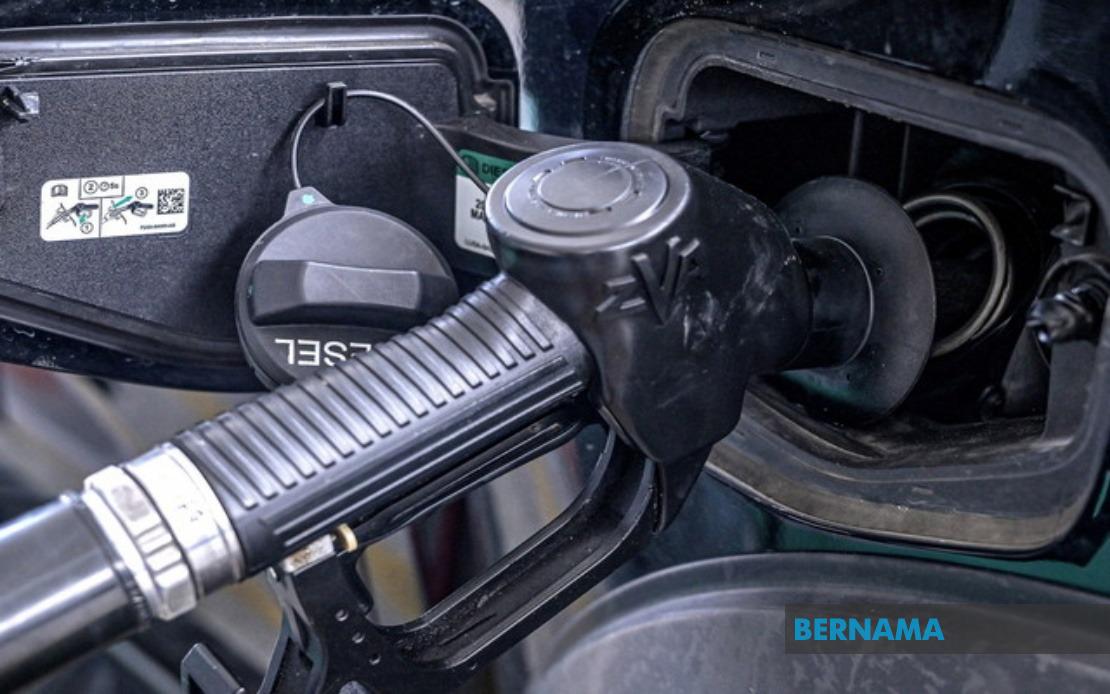
The Domestic Trade and Cost of Living Ministry has begun accepting applications for the Subsidised Diesel Control System (SKDS) covering business vehicles in the land transport sector, according to an announcement by Minister Datuk Armizan Mohd Ali on July 3. The expansion targets company-owned private vehicles such as jeeps and pickup trucks operated by registered micro and small enterprises, adding another layer to the government's broader subsidy initiative for the transport industry.
Vehicles registered under the Company Private Use classification in the Road Transport Department's MySikap system are eligible to participate. The registration category, denoted as AE class or code, ensures that only vehicles officially designated for business purposes qualify for the scheme. This specification prevents misuse and directs benefits to legitimate commercial operators rather than private users attempting to claim subsidies.
Prospective applicants must meet additional structural requirements to participate. Business owners must be formally registered as sole proprietors or partnerships with the Companies Commission of Malaysia (SSM), or with relevant local authorities in Sabah and Sarawak. This stipulation ensures the subsidy reaches established, documented enterprises rather than informal operators, strengthening regulatory compliance and financial transparency across the beneficiary base.
Approved participants will begin receiving diesel subsidies from July 15, contingent upon successful application approval and issuance of a fleet card. The fleet card mechanism provides a traceable, controlled distribution method that allows the government to monitor subsidy consumption and prevent fraud or diversion. This digital infrastructure represents a technological shift toward more efficient subsidy administration compared to broader, less-targeted approaches that historically suffered from leakage and abuse.
The initiative specifically targets micro and small businesses operating in the transport and logistics sectors, recognizing their critical role in Malaysia's supply chain and distribution networks. These enterprises typically operate on thin margins and face significant exposure to fuel price fluctuations. By providing direct subsidy access, the government aims to stabilize operational costs and improve competitiveness for smaller operators competing against larger corporations with greater economies of scale.
Applications are available through the MySubsidi portal, emphasizing the government's digital-first approach to service delivery and administration. The online platform centralizes processing, reduces bureaucratic friction, and enables real-time monitoring of application volumes and approval rates. This system also creates an audit trail that improves accountability and facilitates future policy refinement based on usage data.
The SKDS scheme represents an evolution of Malaysia's subsidy framework, reflecting policymakers' attempt to balance fiscal responsibility with targeted economic support. Rather than providing blanket fuel subsidies that benefit all consumers indiscriminately, the structured approach concentrates resources on sectors deemed critical for economic function and livelihood support. The phased rollout through different transport categories allows government officials to assess program effectiveness and adjust parameters before broader implementation.
Previously, the government extended SKDS eligibility to public land transport operators and the consumer goods distribution sector, demonstrating a systematic approach to subsidy expansion. Each category expansion reflects consultations with industry stakeholders and economic assessment of where subsidy intervention yields greatest multiplier effects. The inclusion of small business vehicles acknowledges that medium and larger transport operators have already benefited from earlier phases.
For Malaysian businesses in regional supply chains, this subsidy development carries practical implications. Reduced fuel costs for domestic transport operators lower logistics expenses throughout value chains, potentially benefiting exporters, manufacturers, and retailers reliant on efficient land transport networks. Southeast Asian competitors may gain comparative advantage if their respective governments do not implement similar support mechanisms, making the policy's international competitiveness dimension increasingly important for Malaysian policymakers to monitor.
The July 15 implementation date provides a two-week window for processing approved applications and distributing fleet cards. Business owners are encouraged to submit applications immediately to avoid potential bottlenecks as processing deadlines approach. Early submission also allows government agencies to identify technical issues or documentation problems before the subsidy activation date, reducing disruption for approved participants.
The scheme's success will likely depend on awareness among eligible micro and small business owners, many of whom may operate informally or possess limited digital literacy. The government may need to enhance outreach through industry associations, chambers of commerce, and local authorities to ensure the policy reaches intended beneficiaries. Low uptake despite eligibility would indicate communication or accessibility failures requiring subsequent intervention.
Longer-term effectiveness hinges on whether subsidy savings translate into improved competitiveness and business expansion rather than margin absorption by larger supply chain partners. Evidence from comparable schemes in other countries suggests that targeted transport subsidies work best when accompanied by complementary policies supporting business development, skills training, and market access. Monitoring program outcomes will inform whether future subsidy allocations should remain or be redirected toward alternative economic support mechanisms.

