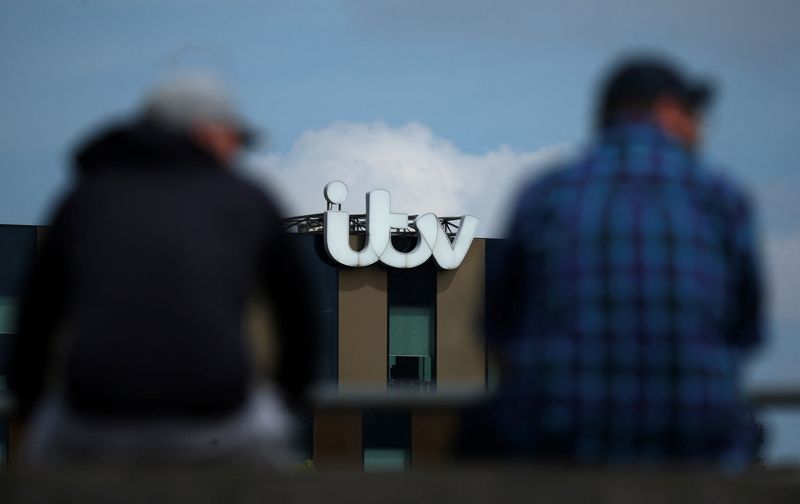
Comcast's Sky has agreed to acquire the broadcast channels and streaming service of ITV, Britain's leading commercial broadcaster, in a transaction valued at £1.6 billion ($2.13 billion). The deal represents one of the most significant consolidations in British broadcasting history and signals a dramatic shift in how traditional television companies are responding to competition from global streaming platforms. Sky Chief Executive Dana Strong characterised the transaction, announced on Monday, as a transformative moment for the industry, though it will now undergo intensive regulatory review before completion.
The merger reflects a fundamental realignment in the British media landscape, where traditional broadcasters have faced mounting pressure from YouTube and streaming services that have fundamentally altered viewer behaviour and advertising dynamics. Just years ago, such a combination would have been considered impossible on competition grounds, but the accelerating decline of conventional television viewership—particularly among younger audiences—has prompted regulators and policymakers to reconsider their approach to media consolidation. The deal underscores how streaming platforms like Netflix, Amazon Prime Video, and Disney+ have forced legacy broadcasters to seek scale and resources they cannot achieve independently.
The combined entity will serve over 20 million British households and command approximately 70 percent of the UK television advertising market, according to industry analysts. This commanding market share encompasses ITV's public service channels alongside Sky's pay-TV operations and extends to third-party advertising contracts that Sky currently manages for channels such as Paramount-owned Channel 5. The concentrated market position will likely trigger intense scrutiny from regulators concerned about competition and choice for advertisers, potentially requiring Sky to divest certain advertising contracts to satisfy approval conditions.
Sky's ownership structure has evolved considerably since Rupert Murdoch founded the company in 1989. The American telecommunications giant Comcast acquired Sky in 2018, and the US corporation announced in June that it would separate its media assets, including NBCUniversal and Sky, from its cable operations. This structural change reflects mounting investor pressure as streaming competition continues to erode traditional pay-television subscriber bases globally. The current transaction demonstrates how media companies within Comcast's portfolio are seeking strategic partnerships to maintain relevance and competitive positioning.
ITV's financial trajectory has made it increasingly vulnerable to acquisition. The broadcaster has endured years of challenging advertising markets, with its share price declining 36 percent over the past five years. The company will receive £1.2 billion in cash from the transaction, plus an additional earn-out agreement potentially worth up to £200 million contingent on advertising performance during the 2027 financial year. Sky will also transfer Love Productions, the production company behind "The Great British Bake Off," to ITV, strengthening its production capabilities. These financial arrangements reflect ITV's weakened negotiating position and the acquisition premium Sky was willing to pay for the strategic value of controlling Britain's primary commercial broadcasting asset.
Under the transaction structure, ITV will transition into a standalone production business rather than disappearing entirely as an entity. The company will continue producing premium programming including "Love Island" and "Coronation Street" for the combined ITV-Sky platform, alongside commissioning work for external broadcasters and streamers globally, including productions such as "Rivals" for Disney and "The Reluctant Traveller" for Apple TV. This arrangement preserves ITV's creative capabilities and heritage while subordinating its distribution channels to Sky's control, fundamentally altering the strategic relationship between production and broadcast functions.
The regulatory environment surrounding this deal has shifted noticeably in the months before the announcement. British Culture Minister Lisa Nandy recently signalled willingness to intervene in international media transactions, suggesting greater flexibility toward consolidation deals that might have faced automatic blocking in previous years. The government has instructed regulators to prioritise growth and investment conditions for British companies, indicating a more pragmatic approach to media ownership concentrations. Dealmakers and corporate strategists across Britain are watching this transaction closely to determine whether regulatory frameworks have genuinely shifted to accommodate larger domestic champions capable of competing internationally.
The merged company has committed to a minimum content investment of £2.1 billion across the 2028–2032 period, demonstrating a significant commitment to British programming production. This substantial commitment addresses concerns that consolidation might lead to reduced investment in homegrown content and local production employment. The pledge represents an effort to frame the merger not as a route to cost-cutting and efficiency, but as an opportunity to increase resources dedicated to the creative output that has historically differentiated British broadcasting globally. Strong's public statements emphasise that ITV will maintain its status as a public service broadcaster, attempting to reconcile commercial consolidation with public interest obligations.
The timing of this deal carries broader implications for media regulation across Europe and Southeast Asia, where policymakers are grappling with similar questions about traditional broadcaster consolidation in an era of streaming dominance. Malaysia and other regional markets have watched similar debates unfold regarding television licensing, content production, and competitive dynamics between incumbent broadcasters and global streaming entrants. The British approach—increasingly permitting domestic consolidation to strengthen competitive position against American and international streaming giants—offers a template that policymakers elsewhere may consider adopting.
ITV shares rose 0.5 percent to 82 pence in early trading following the announcement, reflecting modest investor optimism despite lingering uncertainty about regulatory approval. The relatively muted market reaction suggests investors had anticipated such consolidation, particularly given ITV's prolonged financial difficulties and the obvious strategic logic of combining Britain's two leading television operators. Approval from the Competition and Markets Authority and other regulatory bodies remains the critical hurdle, with the timing and conditions for completion still to be determined. The deal represents a watershed moment in which British regulators must decide whether traditional broadcasting consolidation serves the public interest in an age of digital disruption.
For regional broadcasters and media companies throughout Southeast Asia, this transaction offers instructive lessons about the structural pressures facing traditional television operations globally. As streaming services expand their presence across Malaysia, Singapore, and Indonesia, incumbent broadcasters face intensifying pressure to consolidate, invest in premium content, and develop hybrid distribution strategies. The Sky-ITV combination demonstrates both the logic and the complications of pursuing consolidation as a survival strategy, while simultaneously raising enduring questions about content diversity, public service obligations, and the capacity of merged entities to serve communities beyond pure profit maximisation.

