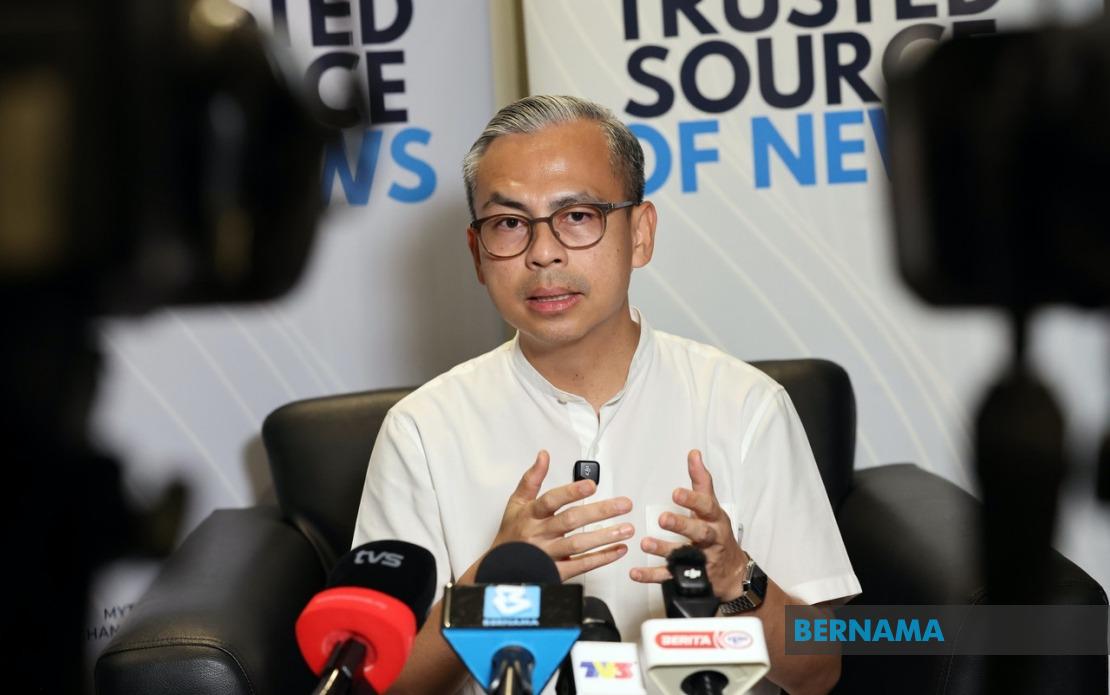
Malaysia's Communications Minister Datuk Fahmi Fadzil has issued a stark warning to social media platform operators, demanding they become far more vigilant in preventing the spread of false election information ahead of Johor's 16th state election polling day this Saturday. Addressing concerns at the Malaysian National News Agency operations centre in Johor Bahru on July 7, Fahmi highlighted particular anxiety surrounding election night, when misinformation about results or individual seat outcomes could rapidly circulate and mislead the electorate.
The minister stressed that while social media platforms maintain formal policies prohibiting the dissemination of false content, the practical enforcement mechanisms remain inadequate. Fahmi emphasized that both monitoring systems and enforcement procedures must be substantially strengthened, especially during the critical hours when votes are being counted and results announced. The timing of misinformation is particularly crucial in this context—false claims emerging during the results phase could sow confusion and undermine public confidence in the electoral process itself.
Fahmi underscored the necessity for social media operators to collaborate closely with Malaysia's regulatory authority, the Malaysian Communications and Multimedia Commission (MCMC), to tackle this multifaceted challenge. Previously, MCMC and the Malaysian Media Council had signalled their readiness to assist in countering misinformation campaigns, particularly those involving the fraudulent use of media logos to fabricate official-looking graphics that lend false credibility to misleading claims. This partnership approach recognizes that tackling election-related falsehoods requires coordination between the private sector platforms and government watchdogs.
However, Fahmi acknowledged that addressing fabricated graphics represents only part of the problem. The more substantial challenge stems from original content created by ordinary social media users—whether in graphic form, written posts, or videos—that may contain factually incorrect information about the election. This grassroots generation of misinformation, often shared organically through social networks, presents a more complex enforcement puzzle than combating institutional actors. The minister appealed to platforms to accelerate their response times, moving beyond passive policy statements to active, real-time intervention during peak usage periods around election activity.
To date, MCMC has not received formal complaints regarding campaign misconduct specifically on social media platforms, suggesting either that violations are occurring below the reporting threshold or that current monitoring mechanisms may be missing subtle infractions. This absence of complaints does not necessarily indicate the absence of problematic content circulating across platforms. The relatively nascent nature of systematic complaint mechanisms for social media election violations, combined with the technical difficulties of tracking viral misinformation, suggests a significant regulatory gap exists.
As polling day approaches, Pakatan Harapan maintains confidence in its campaign strategy, with party officials directing particular focus toward mobilizing outstation voters who have temporarily relocated for work or study. The government has observed positive public reception to transportation initiatives designed to facilitate voter return, with several bus operators now offering special packages at reduced or subsidized rates to ease logistical barriers for those voting outside their home states. This practical focus on voter accessibility represents a strategic recognition that turnout levels will significantly influence electoral outcomes.
Educational institutions have also been enlisted to support voting participation. Students attending the Youth and Sports Skills Training Institute have been granted leave specifically to return home and exercise their voting rights. Fahmi has simultaneously appealed to employers across retail and food and beverage sectors to adopt more flexible work arrangements this Saturday, permitting staff members time away to vote without penalty. These measures reflect government acknowledgment that work scheduling conflicts remain a genuine obstacle to participation for many Malaysians.
The minister has articulated an ambitious turnout target, hoping that voter participation will exceed 60 percent—a threshold that could validate the legitimacy and mandate of the eventual election outcome. Achieving such participation rates requires sustained messaging to encourage citizens to view voting not merely as a civic obligation but as a meaningful exercise of agency over their state's future direction. Fahmi specifically appealed to parents to encourage their children working or studying outside Johor to return and vote, framing the election as a defining moment for the state's trajectory over the coming four to five years.
For Malaysian voters and observers, the pre-election emphasis on combating misinformation carries broader implications beyond this single state poll. As digital platforms become increasingly central to electoral communication and information flow, the question of how effectively democratic systems can protect against systematic falsehoods becomes ever more urgent. Southeast Asia's developing democracies face particular vulnerabilities given high social media penetration rates combined with relatively younger regulatory frameworks governing platform accountability. Malaysia's approach to this Johor election—whether formal coordination between MCMC and platforms proves effective, and whether real-time misinformation can be meaningfully contained—will establish important precedents for future electoral cycles.
The challenge highlighted by Fahmi reflects broader global patterns where election periods witness surges in coordinated and opportunistic misinformation campaigns. However, the Malaysian context includes specific vulnerabilities around the weaponization of official-looking fake graphics, suggesting sophisticated actors understand how visual credibility can enhance false claims' spread. Whether social media platforms' existing fact-checking partnerships and content moderation systems prove sufficient during high-intensity voting periods remains uncertain, making this election essentially a test case for platform accountability in Southeast Asian democracies.

