The presentation of the Social Work Profession Bill 2026 in Parliament marks a transformative moment for Malaysia's social welfare infrastructure, delivering formal legal recognition to a profession that has long operated without statutory oversight or standardised credentials. The Malaysian Association of Social Workers hailed the legislative move as a watershed achievement, underscoring that thousands of practitioners across the country would finally gain the professional standing commensurate with their role in safeguarding vulnerable populations.
The bill represents the culmination of sustained effort that began in 2010, when MASW leaders joined forces with social work educators and practitioners from both government and non-government organisations to craft legislation responsive to Malaysia's specific context. This collaborative process, overseen by a Technical Committee and Special Project Team, reflects recognition that effective social protection demands a workforce shaped by rigorous professional standards rather than ad hoc training arrangements. By formalising the profession, the legislation addresses a longstanding gap in Malaysia's governance structure—one that has allowed social workers to operate without the legal protections, ethical frameworks, or regulatory mechanisms that define professions in other sectors.
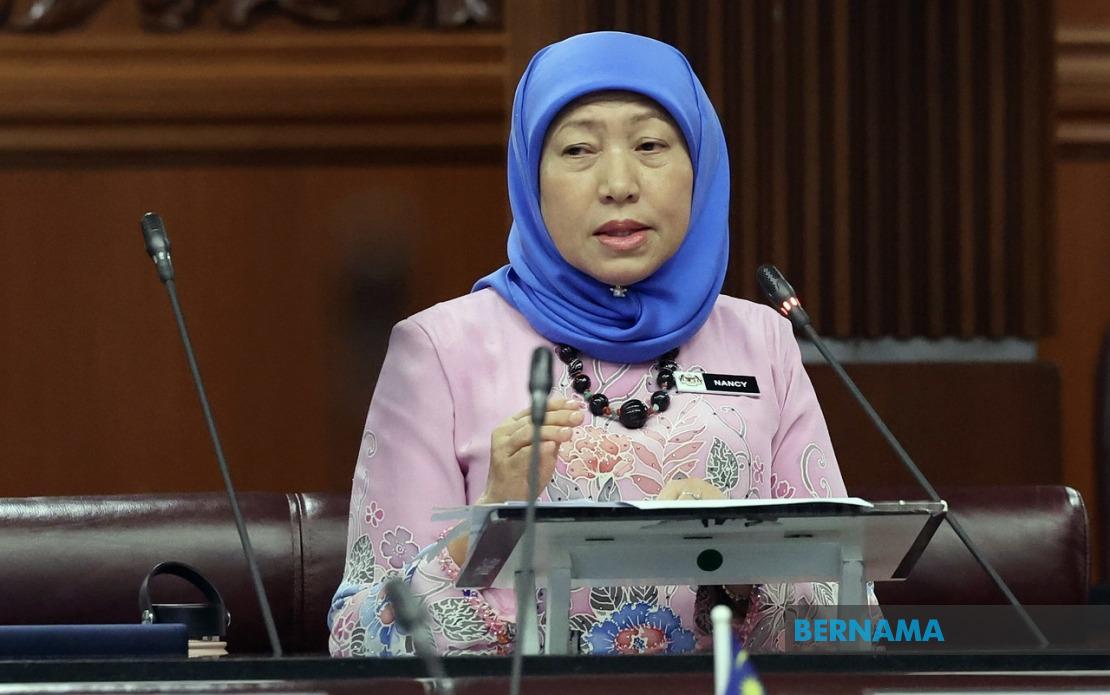
Women, Family and Community Development Minister Datuk Seri Nancy Shukri's ministry earned particular commendation from MASW for driving the bill's passage through Parliament. The minister's sustained commitment signals government acknowledgment that social work—far from being peripheral to development—sits at the core of building resilient communities. This alignment between political leadership and professional advocacy matters considerably, as legislative progress on social matters often stalls without ministerial sponsorship and visible parliamentary support.
At the professional level, MASW President Dr Teoh Ai Hua articulated the bill's deeper significance: it validates that Malaysia's commitment to protecting its people's wellbeing must rest on competent, ethically grounded practitioners operating within recognised standards. This framing elevates social work beyond charitable impulse into a dimension of statecraft—acknowledging that effective social protection yields measurable dividends in public health, educational outcomes, family stability, and economic participation. When social workers lack professional status, their interventions lack leverage; recognition translates into genuine authority to influence policy, access resources, and command respect within multidisciplinary teams.
The legislative step also positions Malaysia within an emerging regional and global consensus on social work's importance. The bill explicitly references Malaysia's alignment with the Ha Noi Declaration on Strengthening Social Work towards a Cohesive and Responsive ASEAN Community (2020), signalling that professional standards are not Western impositions but regionally endorsed frameworks reflecting Southeast Asian contexts. Similarly, the Global Standards for Social Work Education and Training developed by the International Association of Schools of Social Work and the International Federation of Social Workers establish benchmarks for curriculum, practitioner competency, and ethical conduct that transcend borders. By adopting these standards, Malaysia joins a community of practice committed to evidence-based approaches rather than improvisation.
Vice-President Dr Mohd Iqbal Haqim Mohd Nor characterised the bill's tabling as transforming years of professional advocacy into concrete institutional hope. This terminology matters—it signals that the profession had operated in a state of precarity, lacking formal recognition even as social workers addressed some of society's most intractable challenges. The transition from hope to legislative reality introduces stability: practitioners can pursue credentialing pathways, employers can demand qualifications, clients can invoke professional standards if services fall short. This clarity benefits everyone—practitioners gain career progression mechanisms, organisations can develop workforce strategies, and Malaysians seeking assistance know they are receiving services from regulated professionals.
MASW Vice-President Amy Bala's call for constructive parliamentary deliberation reveals shrewd leadership awareness. Rather than declaring victory, MASW recognised that the bill's passage through Parliament is merely the beginning; its provisions require scrutiny and potential refinement to serve the profession and public effectively. This posture invites legislators to engage substantively rather than rubber-stamp legislation, while implicitly acknowledging that implementation demands far more than enactment—it requires adequate resourcing, transparent governance structures, and sustained political commitment.
The implications for Malaysia's social sector extend well beyond professional status. Formalising social work creates pathways for developing a knowledge base grounded in rigorous practice rather than anecdote. Registration requirements typically mandate continuing education, fostering professional development and ensuring practitioners remain current with evolving challenges—from digital-era child protection to family dynamics shaped by migration. A regulated profession also enables systemic accountability; when clients experience substandard service, they have recourse; when practitioners face ethical breaches, there are disciplinary mechanisms. This accountability strengthens public trust in social institutions.
For Malaysian policymakers, the bill signals recognition that social protection is not merely a welfare function but foundational infrastructure. As the nation navigates demographic shifts—an ageing population, changing family structures, persistent urban poverty—demand for skilled social intervention will intensify. Building a professionally recognised workforce now, through legislative frameworks, positions Malaysia to meet those challenges with competence rather than improvisation. Countries that have formalised social work—whether Thailand, South Korea, or the Philippines—report improved service coordination, better outcomes for at-risk populations, and enhanced capacity to address emerging social issues.
The road ahead, however, carries predictable obstacles. Implementation success depends on adequate funding for regulatory bodies, enforcement mechanisms that prove workable rather than onerous, and workplace environments that actually enable practitioners to apply professional standards. Malaysian social workers, particularly those in government and overwhelmed NGOs, often operate under severe resource constraints that professional status alone cannot remedy. The bill must therefore be accompanied by realistic budgeting and genuine workplace reform.
Regionally, Malaysia's legislative step contributes to ASEAN's broader movement toward recognising social work as a distinct profession. Several neighbouring nations maintain formal social work associations but lack statutory regulation; Malaysia's approach may serve as a model or catalyst for similar efforts. This regional dimension matters because social challenges—human trafficking, migrant worker protection, cross-border family issues—transcend borders, requiring coordination among practitioners operating under compatible professional standards.
As the bill advances through parliamentary stages, its ultimate impact will depend on how comprehensively it establishes registration requirements, enforcement powers, and mechanisms linking professional standards to actual service delivery. The law itself is merely a foundation; what social workers and their clients experience depends on the regulations developed thereafter and the resources allocated to implementation. MASW's readiness to support implementation, coupled with calls for stakeholder engagement and adequate resourcing, suggests the profession is prepared for the demanding work ahead.

