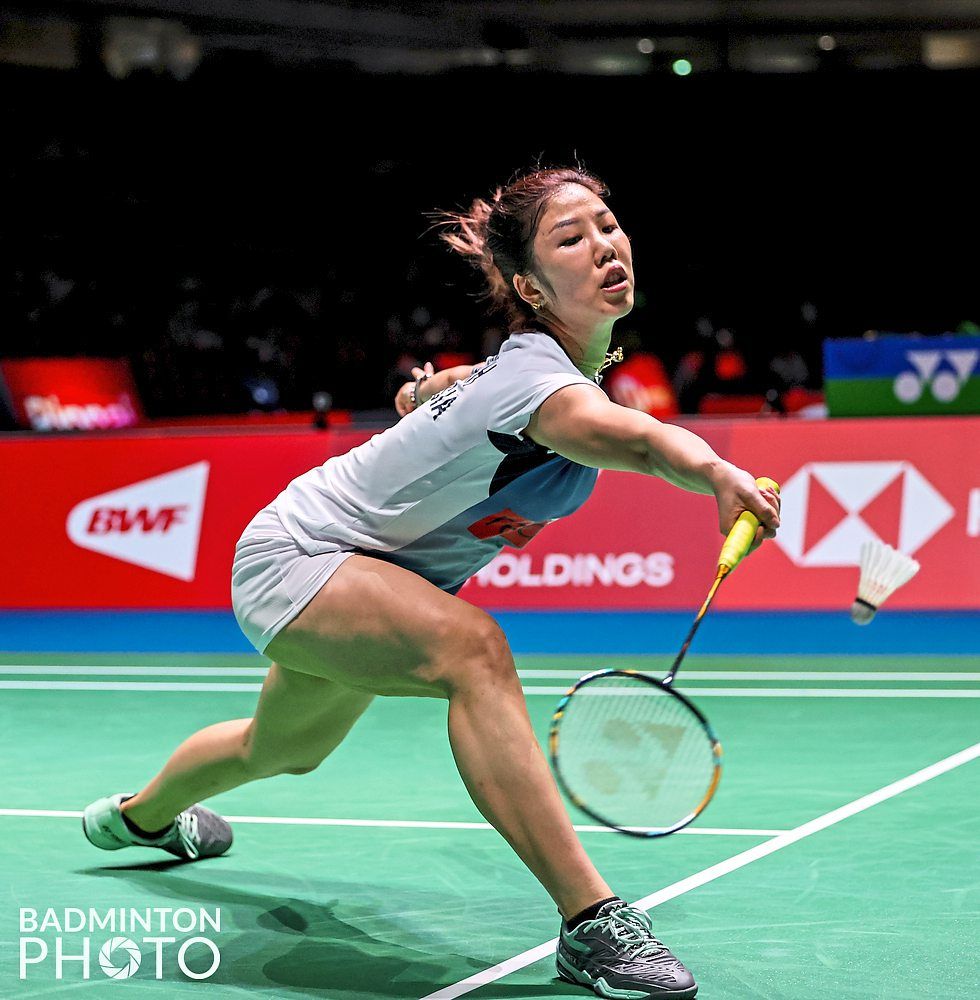
Soniia Cheah, a former national women's singles badminton player, has stepped down from her position as sports director at the Kuala Lumpur Badminton Association following a tenure of merely four months. Her resignation took effect on Wednesday, marking an unexpectedly brief chapter in what was intended to be a year-long contract when she joined the organisation in February.
The 33-year-old made her departure announcement through a formal statement, though she refrained from providing explicit details about the circumstances that prompted her decision. Instead, she emphasised the difficulty of the choice and underscored that it represented a carefully deliberated action rather than an impulsive move. Her measured approach to the resignation suggested internal tensions rather than a simple disagreement, pointing to structural or operational issues within the association that proved incompatible with her vision for the organisation.
Cheah articulated her core concern in measured language, stating that her principles as a former national athlete could not be compromised by remaining in a position where certain matters within the association conflicted with her values. This framing is particularly significant for Malaysian sporting circles, as it reflects the tension that often emerges when accomplished athletes transition into administrative roles and encounter organisational cultures or decision-making processes that diverge from their competitive ethos. Her emphasis on principles rather than personalities suggests the disagreement centred on systemic issues rather than interpersonal conflicts with specific individuals.
In her statement, Cheah stressed that her stand was not directed against any particular person within the association, but rather represented her personal position on matters she believes warrant attention. This distinction is important, as it positions her resignation as a principled withdrawal rather than a personal dispute. She expressed hope that her departure might serve as a catalyst for the KLBA to undertake internal review and address the underlying concerns that led to her decision, ultimately ensuring that the association's priorities remain focused on developing young talent in the region.
Despite her limited time in the role, Cheah demonstrated commitment to the players under her purview, expressing genuine gratitude for the opportunity to work with the Kuala Lumpur badminton squad. Her final assignment involved overseeing the association's participation in the Affin 100Plus Junior Elite Tour Finals, held at Stadium Juara in Bukit Kiara the week prior to her resignation. This involvement in junior development suggests her frustrations may have stemmed from limitations in implementing developmental strategies or resource allocation decisions affecting younger players.
Cheah's appointment in February came after she had spent two years away from formal badminton involvement following her retirement in 2022. During her competitive career, she reached Malaysia's pinnacle in women's singles badminton, achieving the position of the country's top-ranked player. Her credentials extended to international representation, having competed for Malaysia at the Tokyo Olympics, lending her significant credibility in administrative roles within the sport. Her transition from athlete to administrator appeared to be a natural progression that would benefit the KLBA through her deep understanding of elite-level expectations and player development pathways.
However, the brevity of her tenure raises questions about the governance challenges within Malaysian badminton associations and the obstacles that even experienced, respected figures encounter when attempting to drive change from administrative positions. For Malaysian sports watchers, this development highlights the recurring difficulties that arise when professional athletes attempt to reform or modernise established sporting bodies. The pattern suggests that good intentions and elite experience may not suffice without broader institutional support or clear mandate for transformational change.
The early departure of an accomplished former player from a relatively junior administrative position may also signal broader challenges within Malaysian badminton governance. Sports associations often face tensions between legacy power structures and newer voices advocating for modernisation in areas such as player welfare, resource distribution, training methodologies, or oversight of younger athletes. Cheah's decision to resign rather than continue despite her reservations indicates that the issues she identified were fundamental enough to outweigh her commitment to the role.
For the KLBA, this resignation represents a setback in what appeared to be a strategic appointment aimed at strengthening the association's connection to elite badminton standards. The organisation will now need to identify and recruit a replacement, potentially facing challenges in attracting experienced candidates who may have observed the circumstances of Cheah's departure. The broader Malaysian badminton community will be watching closely to see whether the association responds to Cheah's implicit call for introspection and systemic review.
Cheah's quiet but principled stand also carries implications for how Malaysian sports organisations approach governance and player development. Her unwillingness to compromise her values despite the professional consequences reflects a commitment to the sport that transcends career advancement, a posture that may resonate differently among various stakeholders in Malaysian badminton circles depending on their perspectives on internal association dynamics and administrative priorities.

