South Africa has escalated its legal battle at the International Court of Justice by submitting a substantial filing that accuses Israel of systematically disregarding binding court orders aimed at protecting Palestinians during the ongoing conflict in Gaza. The filing, lodged under Article 11 of the ICJ's procedural rules, represents the latest chapter in South Africa's December 2023 case against Israel, in which Pretoria alleges violations of the 1948 Genocide Convention.
The South African Department of International Relations and Cooperation emphasised that the provisional measures decreed by the ICJ carry full legal force and constitute mandatory obligations under international law. According to Pretoria's statement, Israel's alleged breach of these orders constitutes a grave violation of international judicial authority and undermines the legitimacy of the court's authority to protect populations from irreparable harm during ongoing disputes.
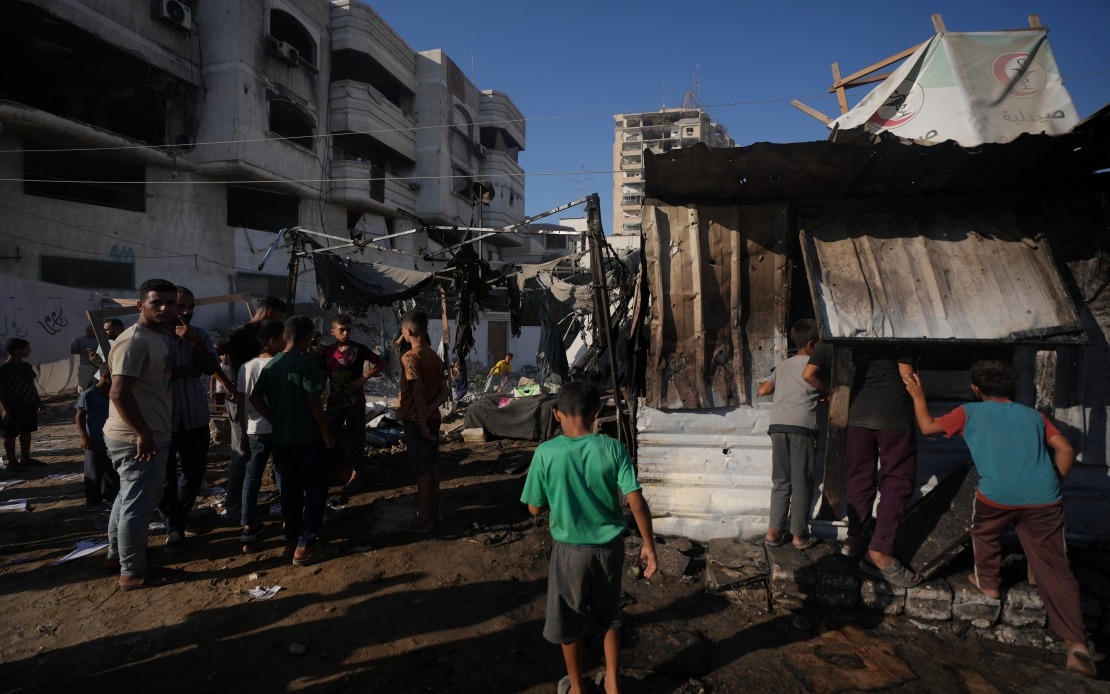
The filing details the humanitarian toll on Palestinians remaining in Gaza, characterising their circumstances as increasingly desperate. Survivors of the conflict are said to be experiencing compounding psychological trauma whilst navigating deteriorating humanitarian conditions in areas that are progressively shrinking as military operations continue. South Africa argues that these conditions represent precisely the scenario the ICJ's provisional measures were designed to prevent and that their persistence demonstrates Israel's non-compliance.
According to South African documentation, violations of a ceasefire that commenced on October 10, 2025, have resulted in over 1,300 Palestinian deaths and more than 4,330 wounded. Additionally, search and rescue operations have recovered hundreds of bodies from collapsed structures, though South Africa's statement does not specify the exact timeframe for these recovery efforts. These figures, Pretoria contends, demonstrate that Israel has failed to implement the protective measures mandated by the court.
The ICJ issued three separate orders establishing provisional measures in January, March, and May 2024, each directing Israel to undertake all requisite actions to prevent activities prohibited under the Genocide Convention. These orders were intended as interim protections whilst the court considers the substantive merits of South Africa's case, which remains ongoing. South Africa's fresh filing argues that the persistence of alleged violations indicates a pattern of disregard for these orders.
South Africa's legal strategy reflects a commitment to exhaust all available international mechanisms to compel compliance. Pretoria has pledged to utilise every diplomatic and legal avenue available to secure Israel's full and immediate adherence to the ICJ's directives. This stance positions South Africa as a persistent voice within international forums advocating for enhanced protections for Palestinian populations and accountability for alleged violations of genocide prevention obligations.
For Malaysian readers, this development carries significance as it reflects broader tensions within the international legal system regarding enforcement mechanisms against major powers. The case illustrates the limitations of the ICJ's authority when confronted with states that contest its jurisdiction or question the legitimacy of provisional measures. Southeast Asian nations, including Malaysia, maintain varying diplomatic relationships with both Israel and Palestine, making this case relevant to regional discussions about international law, state sovereignty, and humanitarian protection standards.
The broader context reveals that South Africa's allegations rest on casualty figures provided by Palestinian health authorities, which document approximately 73,438 deaths and 174,447 injuries since October 7, 2023. These figures represent some of the highest casualty counts documented in the region's recent conflicts. South Africa contends that this scale of casualties, combined with what it characterises as inadequate compliance with protective measures, necessitates the ICJ's intervention to prevent further harm.
The case demonstrates ongoing debates within international law concerning when and how the Genocide Convention's protections apply during armed conflicts. South Africa's argument hinges on whether Israel's military operations constitute genocide, a determination the ICJ has not yet made on the merits. By filing for non-compliance with provisional measures, South Africa seeks to maintain pressure whilst awaiting the court's substantive judgment, a process that could take months or years.
For regional observers, this filing underscores the role international courts play in conflicts outside their direct jurisdiction and the challenges these institutions face when powerful states resist their authority. The case also highlights how developing nations like South Africa utilise international legal mechanisms to challenge actions by militarily stronger states, a dynamic relevant to Southeast Asia's own experience with power imbalances in regional disputes.
South Africa's persistent engagement with the ICJ suggests that Pretoria views international adjudication as a crucial avenue for accountability and protection, even when facing entrenched positions. The filing represents both a tactical legal manoeuvre and a broader statement about South Africa's commitment to international legal norms governing genocide prevention. Whether the ICJ possesses sufficient enforcement mechanisms to compel compliance remains an open question that will shape the case's ultimate significance.

