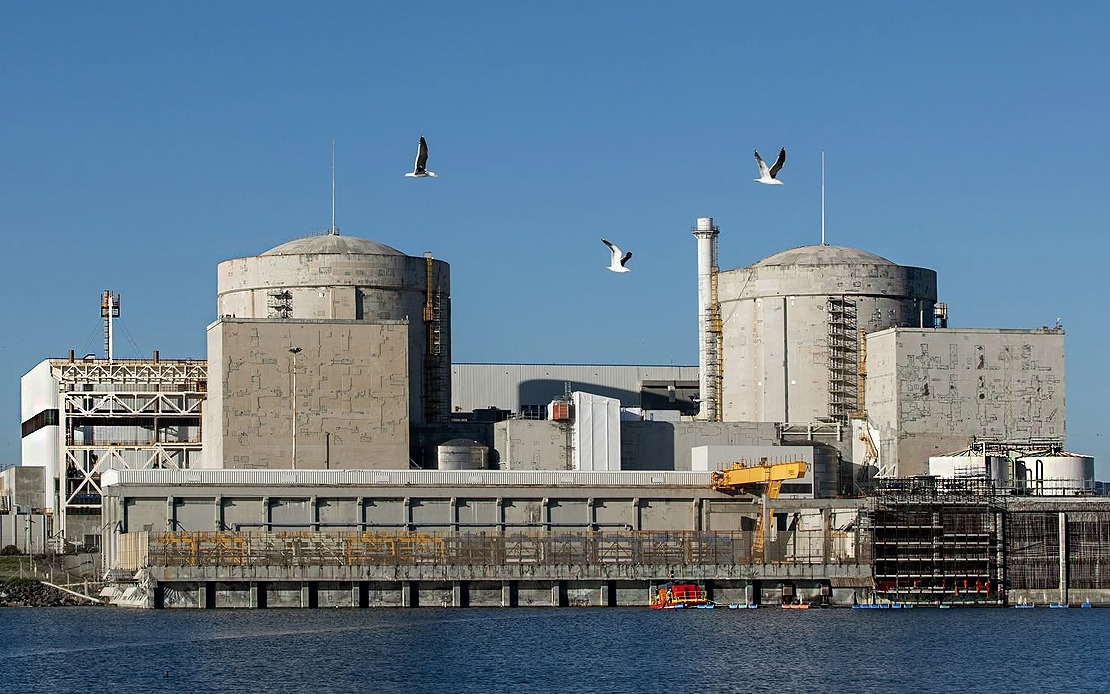
South Africa's government confirmed that workers at the Koeberg Nuclear Power Station, situated approximately 30 kilometres north of Cape Town, sustained radiation exposure during three separate maintenance operations in late June and early July. Energy Minister Kgosientsho Ramokgopa disclosed the incidents at a media briefing on Sunday, providing details of the exposures that have drawn scrutiny to the country's nuclear operations at a time when the government is actively pursuing expansion of its atomic energy capacity.
The three incidents unfolded on June 30 and again on July 2 and 7, each resulting from temporary power interruptions that compromised the facility's critical ventilation infrastructure. According to Ramokgopa, the underlying cause stemmed from these electrical disruptions, which temporarily disabled systems essential for maintaining safety protocols during maintenance activities. The minister sought to reassure the public by characterising the radiation doses as comparatively low, stating that workers received exposure equivalent to or lower than that experienced during a standard dental X-ray examination.
Official assessments from South Africa's nuclear safety authorities downplayed the significance of these events. Velaphi Ntuli, who heads the nation's nuclear safety division, indicated that the incidents fell below the threshold requiring formal notification under the country's nuclear safety event reporting framework. This classification suggests that regulatory bodies did not view the exposures as meeting established criteria for serious nuclear safety concerns, though the incidents nonetheless represent lapses in operational security that warrant investigation and corrective action.
The Koeberg facility maintains a critical position within South Africa's electricity infrastructure, operating as the country's sole nuclear power plant and providing baseload generating capacity to a nation chronically plagued by severe energy shortages. The nation has endured debilitating rolling blackouts for years, stemming from inadequate generation capacity and ageing coal-fired power stations that dominate its electricity mix. This context renders nuclear expansion particularly significant for policymakers seeking to establish more stable and diversified energy supply chains.
Government strategy explicitly identifies nuclear energy as instrumental in addressing the electricity supply crisis. Officials have announced ambitious plans to increase nuclear generating capacity by 5.2 gigawatts by 2039, representing a substantial commitment to atomic power despite persistent public apprehension regarding nuclear development. The government maintains that this expansion is essential for achieving energy security while simultaneously transitioning away from reliance on coal, which currently supplies the overwhelming majority of South Africa's electricity generation.
The incidents at Koeberg underscore operational vulnerabilities that could complicate the government's nuclear expansion agenda. Radiation exposure events, even those deemed minor by regulatory standards, typically generate public concern and media scrutiny that may influence political discourse surrounding nuclear development. Opposition groups and environmental advocates frequently cite safety incidents as justification for resisting nuclear capacity increases, arguing that the risks associated with atomic energy outweigh potential benefits.
For Southeast Asian observers, South Africa's experience offers pertinent lessons regarding nuclear facility management in developing economies. Several nations in the region are similarly contemplating nuclear power as a solution to rising electricity demand and climate change imperatives, yet concerns about operational standards and regulatory oversight persist. The Koeberg incidents demonstrate that even established nuclear programmes can experience safety lapses, highlighting the importance of rigorous maintenance protocols and redundant safety systems.
The government's assertion that incidents posed no danger to nearby communities reflects official confidence in containment measures and safety margins built into the facility's design. However, the temporary ventilation system failures that precipitated the exposures suggest potential vulnerabilities in auxiliary systems that support primary safety functions. Addressing such vulnerabilities will likely become central to public confidence in expanded nuclear operations.
South Africa's broader decarbonisation objectives substantially depend on successful nuclear expansion. The government has established a 2050 target for transitioning to predominantly non-fossil fuel electricity generation, with nuclear power envisioned as a key pillar alongside renewable energy sources. Meeting this commitment requires not only constructing additional capacity but also demonstrating consistent operational excellence at existing facilities, particularly regarding worker safety and environmental protection.
The timing of these radiation exposure incidents may influence ongoing government consultations regarding nuclear expansion timelines and funding mechanisms. Public confidence in nuclear safety directly affects political viability of expansion plans, and incidents that attract media attention can shift public opinion toward more cautious approaches. Officials will likely face demands for enhanced transparency regarding safety protocols and incident investigation outcomes.
Regional energy cooperation frameworks within southern Africa may also be affected by these incidents, as neighbouring countries increasingly contemplate their own nuclear programmes or electricity import arrangements with South Africa. Confidence in Koeberg's operations influences broader perceptions of nuclear energy's viability across the region. Demonstrating effective incident management and transparent communication becomes strategically important for countries considering nuclear investment.

