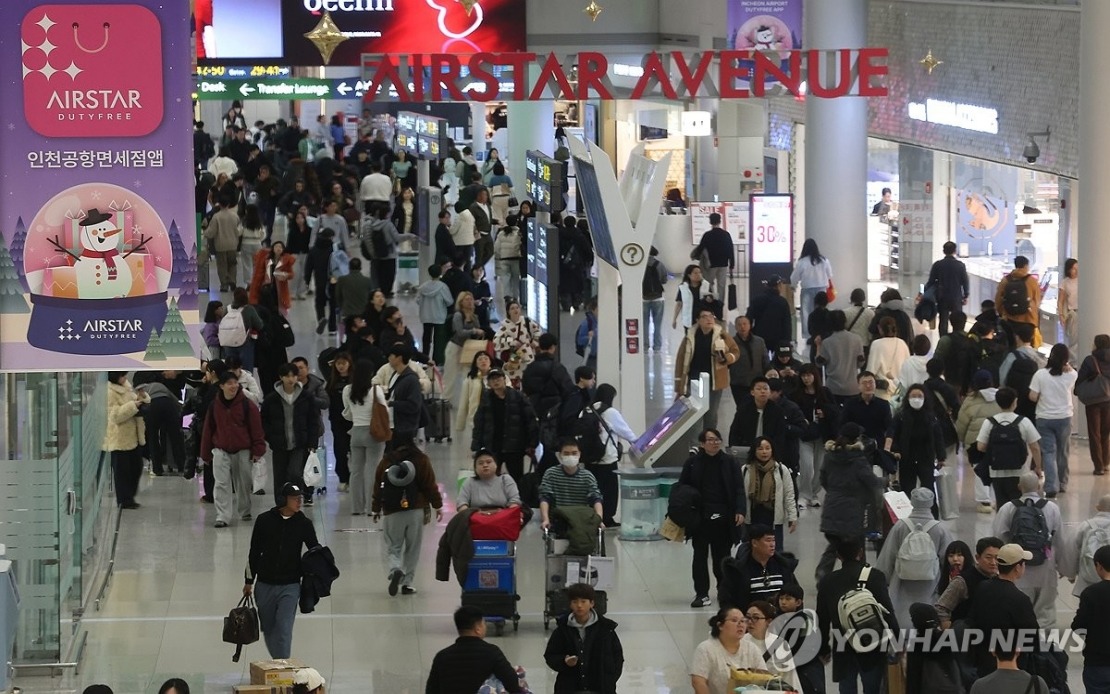
South Korea's tourism sector is experiencing a surge that shows no signs of cooling, having crossed the psychologically significant threshold of 10 million foreign arrivals by mid-June. This achievement, disclosed by the Ministry of Culture, Sports and Tourism via Yonhap News Agency, represents a remarkable acceleration in the country's post-pandemic recovery and positions Seoul on track to establish a new annual visitation record before year-end. The timing is particularly striking—this milestone arrived approximately one month sooner than in 2023, when South Korea reached the same figure in mid-July, suggesting that pent-up international demand for Korean experiences remains robust.
The velocity of tourism growth to South Korea carries significant implications for Southeast Asian nations competing for the same pool of affluent regional travelers. Where Malaysia, Thailand, and Indonesia have each pursued distinct positioning strategies within Asia's tourism marketplace, South Korea's success in accelerating its visitor recovery demonstrates how effectively coordinated nation branding combined with genuine attractions can drive measurable results. The first-half achievement of 10 million visitors marks an unprecedented accomplishment within any single six-month period for the country, underscoring that the tourism sector has genuinely transitioned beyond recovery into expansion mode.
May proved to be a particularly stellar month for inbound arrivals, with 1.95 million foreign guests recorded, representing a 19.4 percent increase compared to the same month a year prior. This single-month volume illustrates the consistency underlying South Korea's broader tourism momentum, as opposed to periodic spikes dependent on special events or seasonal factors. The strength in May arrivals provides substantial evidence that interest in South Korean destinations has become normalized within the international travel decision-making process, particularly among regional populations who increasingly view the country as a standard rather than aspirational tourism choice.
China remains the dominant source market for South Korea's tourism, with Chinese nationals accounting for 560,000 arrivals during May alone. This figure underscores the critical importance of the mainland Chinese market to Seoul's tourism objectives, despite periodic diplomatic tensions and the volatility inherent in that bilateral relationship. Japanese visitors ranked second with 360,000 arrivals, while Americans contributed 210,000 travelers to May's total. The composition of these visitor populations reflects strategic proximity combined with existing cultural and commercial ties, suggesting that South Korea's tourism growth narrative remains fundamentally anchored to Northeast Asian demand rather than diversifying significantly toward other regional sources.
A noteworthy development within South Korea's tourism expansion concerns the geographic distribution of international arrivals across the country rather than concentration in Seoul. Visitor arrivals via regional airports demonstrated steady growth from 230,000 in January to 360,000 by May, indicating that tourism infrastructure investments outside the capital are generating measurable returns. This broadening of tourism dispersal holds particular relevance for regional Southeast Asian destinations, as it demonstrates how deliberate policy efforts to distribute visitor spending can reshape the economics of tourism at provincial levels. For Malaysian tourism policymakers considering how to extend visitation benefits beyond Kuala Lumpur and Penang, South Korea's experience provides valuable lessons in promotional strategy and infrastructure coordination.
Foreign visitor spending through credit card transactions, encompassing both in-person and online purchases, totaled 2.12 trillion won—equivalent to approximately 1.38 billion US dollars—during May alone. This represented the inaugural occasion since South Korea commenced tracking such expenditure data in 2018 that monthly card spending surpassed the 2 trillion won threshold. The significance of this metric extends beyond simple revenue figures, as it indicates that international visitors are engaging substantially with South Korea's retail, hospitality, and service sectors rather than undertaking purely sightseeing-focused trips. For regional competitors, such spending patterns demonstrate that tourism development requires parallel investment in consumer-facing infrastructure and commerce facilitation.
Kang Jung-won, head of the ministry's tourism policy office, emphasized that despite elevated fuel surcharges stemming from instability in the Middle East, inbound arrivals increased 21 percent year-on-year through May and achieved the 10 million milestone by mid-June. This commentary carries economic weight, as it demonstrates that even in the presence of cost pressures typically assumed to dampen leisure travel, demand for South Korean experiences proved sufficiently strong to overcome such friction. The resilience evident in these figures suggests that South Korea has successfully differentiated itself within Asia's competitive tourism landscape, attracting visitors willing to absorb higher airfare costs in pursuit of specific experiences.
The South Korean government's articulated strategy for sustaining tourism momentum involves expanding partnerships with private-sector entities, including K-pop artists and export companies positioned to function as informal tourism ambassadors. This approach recognizes that contemporary destination marketing succeeds through cultural resonance and authentic engagement rather than conventional advertising campaigns. The integration of soft power assets such as Korean popular music into tourism promotion reflects sophisticated understanding of how cultural industries and travel sectors intersect in modern economies. Southeast Asian destinations, while possessing distinctive cultural assets, might evaluate whether similar coordinated approaches between government tourism entities and cultural industries could generate comparable momentum.
The trajectory of South Korea's 2024 tourism performance offers instructive context for assessing regional competitive dynamics. As the country appears positioned to establish a new annual visitation record, neighboring and regional destinations face implicit pressure to demonstrate comparable growth narratives or risk perception of declining competitiveness. For Malaysia specifically, which has historically competed directly with South Korea for Northeast Asian travelers, the acceleration evident in these figures warrants analytical attention regarding market share dynamics and positioning strategies. Understanding why international travelers increasingly prioritize South Korean destinations provides essential insight into evolving travel preferences and decision-making criteria within regional source markets.

