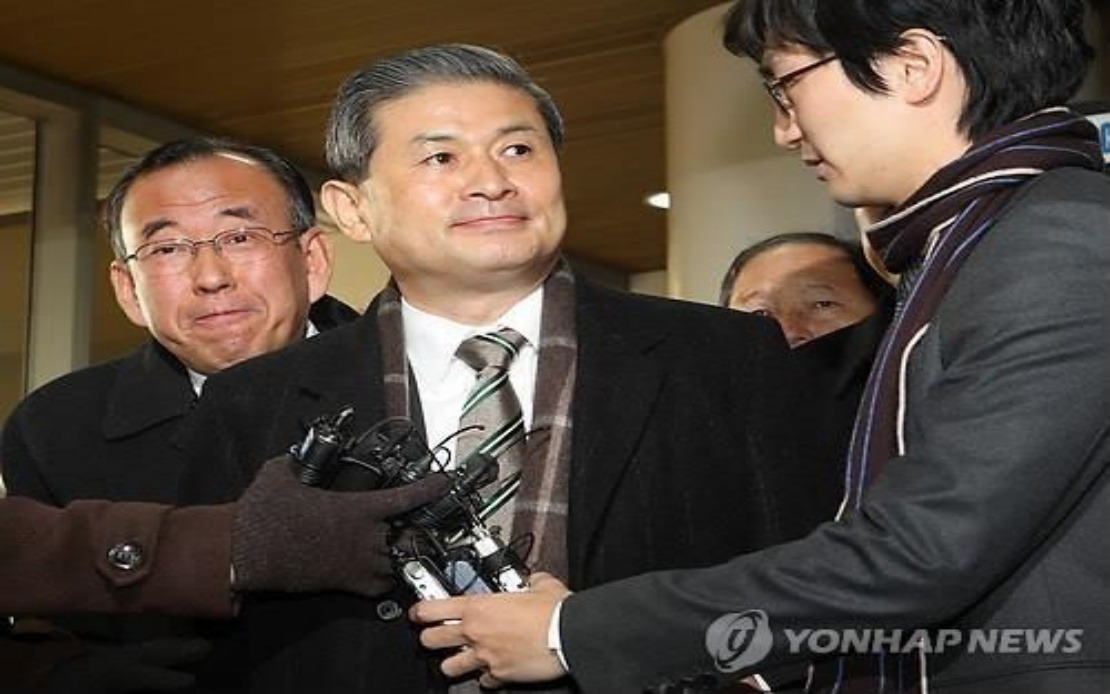
South Korea completed the formal revocation of its most prestigious science award from Hwang Woo-suk this week, nearly two decades after the Seoul National University professor received the honour for research that was later exposed as entirely fraudulent. The Top Science and Technology Award, originally presented to Hwang in 2004 alongside a monetary prize of 300 million won (US$201,200), has now been formally stripped following presidential approval granted on Tuesday. The lengthy delay in finalising the revocation underscores the complex legal and administrative processes involved in undoing major state honours, even in cases of egregious scientific misconduct.
Hwang's fall from grace represents one of the most consequential scientific frauds in recent memory, with implications that extended far beyond South Korea's borders. His 2005 exposure for fabricating data in landmark publications claiming the creation of the world's first cloned human embryo shattered international confidence in his work and triggered widespread scrutiny of stem cell research globally. The incident prompted soul-searching within the scientific community about peer review processes, institutional oversight, and the pressures facing researchers in highly competitive fields seeking breakthrough discoveries that could bring prestige and funding to their nations.
The South Korean government's initial attempt to revoke the award in 2020 appeared to settle the matter, but a court subsequently determined that the revocation process had been conducted with procedural irregularities that rendered it legally invalid. This judicial intervention forced the government to undertake the revocation process anew, requiring the science ministry to formally petition the interior ministry in March of this year for reconsideration. The procedural requirements involved multiple steps, including seeking approval from the interior ministry and ultimately obtaining presidential sanction, reflecting the ceremonial and legal weight attached to presidential honours in South Korea's governance structure.
Hwang was dismissed from Seoul National University in 2006, a year after his fraudulent research was uncovered, effectively ending his academic career at the institution where he had built his reputation. The dismissal represented the institutional response to his misconduct, but the question of the state-conferred award lingered unresolved for years. The protracted nature of the revocation process highlights how even when scientific fraud is definitively established, dismantling the formal recognition and prestige attached to the dishonest work can involve legal complexities and administrative procedures that take considerable time to navigate properly.
For Malaysian and Southeast Asian readers, Hwang's case carries important lessons about scientific integrity and institutional accountability. The region has been investing heavily in research and development capabilities, with countries like Malaysia establishing biotechnology hubs and stem cell research facilities as part of broader innovation agendas. Hwang's trajectory demonstrates the catastrophic reputational damage that can befall both individual researchers and entire nations when fraudulent research goes undetected for extended periods. The incident also illustrates why robust peer review mechanisms, institutional oversight, and transparent research practices are essential investments, not bureaucratic impediments to scientific progress.
The Top Science and Technology Award carries significant symbolic weight in South Korea's effort to foster scientific achievement and technological innovation. Presidents typically present the award to recognise contributions that have advanced the nation's development, and the honour carries both financial rewards and substantial prestige within the scientific community. By formally revoking Hwang's award after years of legal and administrative proceedings, South Korea sends a clear message about the consequences of scientific fraud, even for researchers who achieved prominence within their fields. The revocation serves as a delayed but definitive statement that the honour, once granted, can be withdrawn when the basis for the award proves fundamentally false.
The scientific community's response to Hwang's exposure evolved considerably over the years following 2005. Initial shock and disbelief eventually gave way to systematic examination of how such an extensive fraud had escaped detection through standard scientific oversight mechanisms. International collaborators who had worked with Hwang found their own research credibility questioned, and journals that had published his work faced criticism for insufficient scrutiny. This broader fallout extended the damage beyond Hwang himself to affect colleagues and institutions that had been associated with his research programmes.
South Korea's handling of the revocation, though delayed and complicated by legal proceedings, ultimately demonstrates institutional capacity for accountability and correction. Rather than allowing the problematic award to remain on the books indefinitely, the government pursued formal removal through proper legal channels, even though doing so required addressing procedural defects in the initial revocation attempt. This commitment to following established processes, despite the apparent clarity of the underlying misconduct, reflects a rule-of-law approach to governance that may serve as a model for other nations addressing similar situations involving state honours conferred based on subsequently discredited achievements.
The case also raises questions about how nations balance the need to maintain the prestige and significance of major awards while acknowledging that errors in judgment or oversight may occur in the process of selecting recipients. Hwang's work appeared genuinely groundbreaking at the time of the award in 2004, and the award reflected assessments by scientific bodies that his achievements merited the nation's highest recognition. The subsequent revelation that the research was fraudulent meant that the basis for the award had been fundamentally compromised, requiring corrective action even years later.
Looking forward, Hwang's case reinforces the importance of ongoing verification and replication of significant scientific claims, particularly in fields like stem cell research and genetic engineering where the stakes are high and the potential for both genuine breakthroughs and catastrophic fraud both exist. For regional policymakers and scientific institutions in Southeast Asia, the lesson extends beyond simple condemnation of fraud to encompass the systemic investments needed to build research environments where integrity is prioritised and where institutional cultures support rather than undermine rigorous peer review and transparent research practices. The 22-year gap between Hwang's award and its final revocation serves as a cautionary reminder that addressing scientific misconduct comprehensively often requires sustained effort and careful adherence to proper procedures, even when the underlying facts are no longer in dispute.

