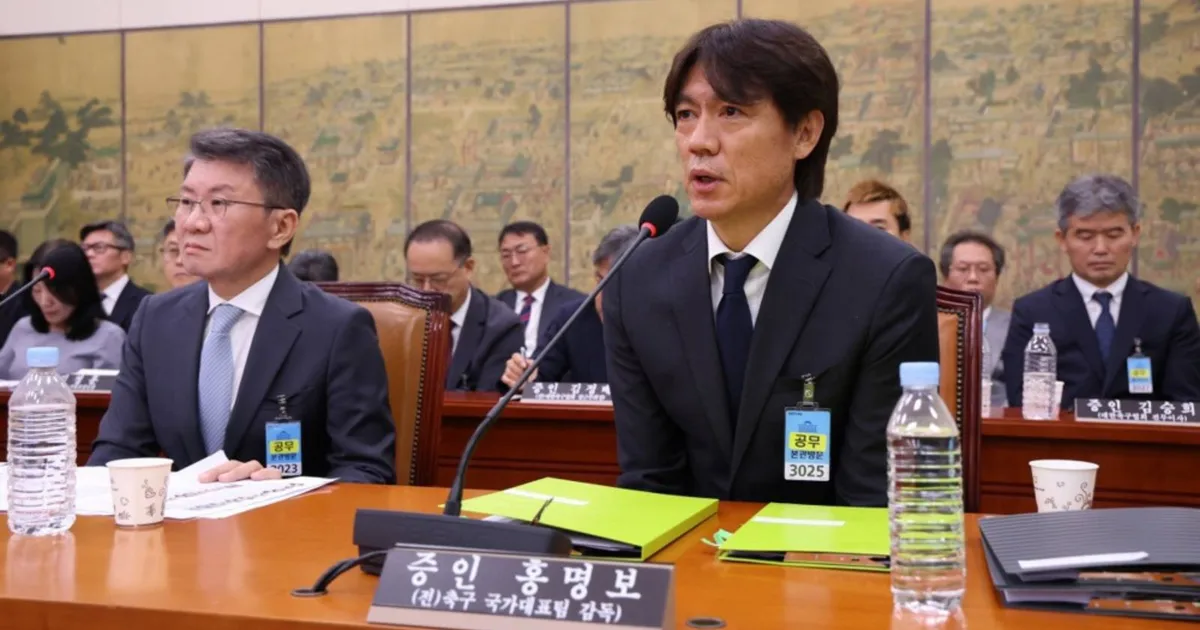
South Korean law enforcement authorities have conducted a search operation at the national football association's offices as part of an ongoing investigation into the appointment procedures surrounding head coach Hong Myung-bo. The police action underscores growing concerns about governance and decision-making processes within the country's football administration, occurring against a backdrop of disappointing international results that have drawn intense public scrutiny.
The investigation centres on allegations that officials engaged in obstruction of business during the process that led to Hong Myung-bo's selection as national team coach. These claims represent serious charges within South Korea's legal and regulatory framework, suggesting potential irregularities in how the appointment was conducted rather than merely poor sporting judgment. The specificity of the allegation points to concerns that proper procedures may not have been followed, or that certain individuals faced undue interference in their professional duties.
Hong Myung-bo's tenure as coach arrived amid considerable controversy following South Korea's underwhelming performance at the FIFA World Cup. The team's campaign fell significantly short of expectations, creating a volatile atmosphere within Korean football circles and among the passionate supporter base. This disappointing showing prompted questions about the football association's leadership and strategic direction, setting the stage for heightened scrutiny of subsequent administrative decisions.
For Malaysian and regional observers, the South Korean case illustrates how deeply football governance intersects with legal and political accountability in East Asian contexts. Unlike some nations where sports administration operates with greater autonomy, South Korea's approach demonstrates that football authorities can face criminal investigation for their conduct. This reflects broader expectations within Korean society regarding transparency and adherence to formal procedures, even in matters traditionally considered the domain of sports bodies.
The appointment process itself became controversial partly because it occurred during a period of flux and dissatisfaction within Korean football. Following a lackluster World Cup, stakeholders including fans, media, and government observers demanded explanations for tactical failures and strategic choices. Within this charged environment, the selection of a new coach inevitably attracted intense examination. Any perception of irregularity or backroom dealing risked triggering investigations by authorities sensitive to public opinion and institutional accountability.
Hong Myung-bo, a former player and established figure in Korean football, brought considerable experience to the role. However, his appointment apparently did not resolve lingering concerns about how the decision was made. The investigation suggests that regardless of his qualifications or potential effectiveness, the procedural legitimacy of his selection became a focal point. This distinction between competence and process reflects how governance concerns can overshadow sporting considerations in high-profile cases.
The obstruction of business charge carries particular weight because it implies that individuals may have been prevented from carrying out their professional responsibilities properly. This could encompass scenarios where decision-makers were pressured, information was withheld, or proper consultation processes were bypassed. Such allegations, if substantiated, would represent failures in institutional governance that extend beyond mere disagreements about tactical direction or team selection.
For Southeast Asian football observers, the incident highlights the importance of establishing clear, documented procedures for major administrative appointments. Many national associations in the region balance between maintaining flexibility for sporting decisions and ensuring institutional credibility through transparent processes. The South Korean case demonstrates that major democracies now subject even sports administration to rigorous legal scrutiny, setting precedents that influence expectations across the region.
The timing of the police action, following poor World Cup results, illustrates how sporting disappointments can trigger broader institutional investigations. In South Korea's context, where football carries significant national importance and public investment, poor performance creates political pressure that authorities take seriously. The willingness to investigate the football association itself, rather than deflecting responsibility to the coaching staff, suggests institutional accountability mechanisms are functioning, albeit sometimes controversially.
The investigation's progression will likely shape how South Korean football administration approaches future high-level appointments. If authorities determine that improper procedures occurred, consequences could range from personnel changes to structural reforms within the association. Conversely, if the investigation clears those involved, it may vindicate the decision-making process despite its controversial appearance. Either outcome will influence how the football association manages subsequent administrative decisions.
For Malaysia's football community, where governance discussions have similarly intensified in recent years, the South Korean experience offers instructive lessons about maintaining institutional credibility during periods of sporting crisis. While each nation's legal and cultural context differs significantly, the underlying principle remains consistent: transparent, properly documented processes for major decisions help protect institutions from accusations of impropriety. The South Korean police raid underscores that in contemporary sports administration, procedural legitimacy often proves as important as substantive outcomes.
The broader implications extend beyond South Korea itself. Across East Asia and Southeast Asia, national football associations face mounting expectations regarding governance standards, transparency requirements, and accountability mechanisms. The South Korean investigation signals that governments increasingly view sports administration as subject to the same legal scrutiny applied to other institutions. This trend will likely continue shaping how national associations conduct their affairs, particularly when making decisions that attract public attention or follow disappointing performances.

