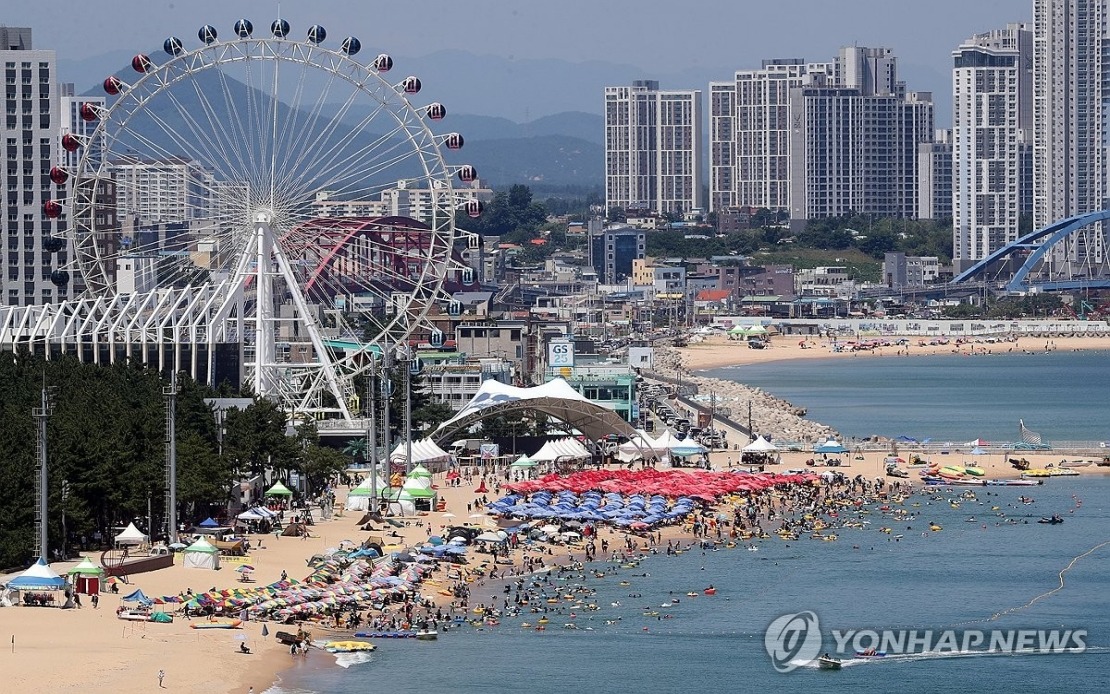
South Korea's southeastern region experienced unprecedented heat on Sunday when the coastal city of Yangsan recorded a temperature of 42.5 degrees Celsius, shattering all previous records since modern meteorological measurements began on the Korean Peninsula in 1904. The thermometer climbed steadily throughout the afternoon, first reaching 42 degrees at 1:16 p.m. before climbing further to the record-breaking 42.5 degrees by 1:26 p.m., according to readings from the Korea Meteorological Administration.
The extraordinary heat event represents a watershed moment for South Korea's climate patterns. Yangsan, situated approximately 310 kilometres southeast of Seoul, has become the focal point of the nation's most severe temperature spike in 120 years of recorded data. The Korea Meteorological Administration tracks temperatures across 97 long-term observation stations throughout the peninsula, and none have previously registered such extreme conditions. The consistency and magnitude of this reading underscore the genuine climatic shift occurring across the region.
For Southeast Asian observers, South Korea's predicament offers a cautionary signal about intensifying heat patterns affecting the broader East Asian monsoon region. Malaysia and neighbouring countries experience tropical heat year-round, yet South Korea's temperate climate means its population has little historical adaptation to such extreme temperatures. The sudden onset of temperatures comparable to or exceeding those routinely experienced in equatorial regions represents a dramatic departure from expected seasonal patterns.
The escalating nature of the heat wave presents particular concern among meteorologists monitoring the peninsula. Yangsan has now endured five consecutive days with temperatures surpassing 40 degrees Celsius, and the daily timing of peak heat has shifted progressively earlier as thermal accumulation intensifies. Scientists have expressed alarm that temperatures could breach the 43-degree threshold, which would represent an even more alarming milestone. The emerging pattern suggests the heat event may not have reached its peak, creating sustained public health risks.
Other major population centres across the southeast have similarly experienced exceptional temperatures. Gyeongju, positioned roughly 240 kilometres southeast of Seoul, recorded 40.2 degrees Celsius by mid-afternoon, marking the first occasion this year that the city has crossed the 40-degree barrier. This reading also represents the highest temperature in Gyeongju for eight years, surpassing the previous record of 39.8 degrees set in 2018. The concentration of extreme readings across multiple southeastern cities indicates a genuine regional heat phenomenon rather than isolated conditions.
The South Korean government has responded with emergency protocols reflective of the crisis magnitude. Authorities activated a "Level 2" emergency response framework through the disaster response headquarters at 1 p.m. on Sunday, signalling maximum alert status. Prime Minister Han Seong-sook issued comprehensive emergency directives instructing all relevant ministries and provincial administrations to implement heightened safety monitoring protocols, particularly targeting demographic groups most susceptible to heat-related health complications. Elderly residents, outdoor labourers, and those with pre-existing medical conditions face elevated risks during extreme temperature events.
Infrastructural stability has emerged as a secondary concern within government response frameworks. Beyond human welfare considerations, authorities have emphasised maintaining reliable electrical supply and water distribution systems, recognising that extreme heat generates exponential demand for cooling and hydration. Power grid failures during peak heat conditions could compound the humanitarian crisis by eliminating access to air conditioning and refrigeration. Water supply disruptions would simultaneously impair both direct consumption and cooling system functionality across residential and commercial sectors.
Public health guidance has been distributed widely, advising citizens to minimise outdoor exposure during peak afternoon hours and to adopt protective measures against heat-related illness. The Korea Meteorological Administration and public health authorities have coordinated messaging emphasising hydration, appropriate clothing choices, and the importance of accessing climate-controlled environments. Such directives reflect recognition that South Korea's population, unaccustomed to tropical-intensity heat, faces genuine health risks during this extended event.
The broader implications for regional climate patterns warrant consideration by Malaysian and Southeast Asian policymakers. While equatorial and tropical regions have developed considerable physiological and infrastructural adaptation to sustained high temperatures, temperate regions experiencing sudden heat intensification face acute vulnerability. South Korea's situation demonstrates how rapidly changing climate patterns can overwhelm historical expectations and institutional preparedness frameworks. For nations positioned within the broader monsoon system, South Korea's experience provides evidence that heat intensity is intensifying beyond previously established normality parameters.
Temperature records serve as crucial data points within climate science discourse. The shattering of a 120-year-old record within a single afternoon suggests not gradual warming trends but accelerating thermal shifts. Meteorologists monitoring the event note that previous record temperatures in South Korea have typically climbed incrementally over years and decades, whereas recent records have fallen and been re-established within remarkably compressed timeframes. This acceleration pattern aligns with broader global climate observations suggesting non-linear warming trajectories.
Looking forward, the heat wave's duration and ultimate intensity will provide essential information about South Korean climate futures. If such extreme conditions become recurring phenomena rather than once-per-century anomalies, significant adaptation across energy infrastructure, urban planning, and public health systems would become necessary. Southeast Asian nations, already operating within thermal extremes, may face additional competitive pressures for energy resources and cooling technologies should temperate regions simultaneously experience equivalent heat demands.

