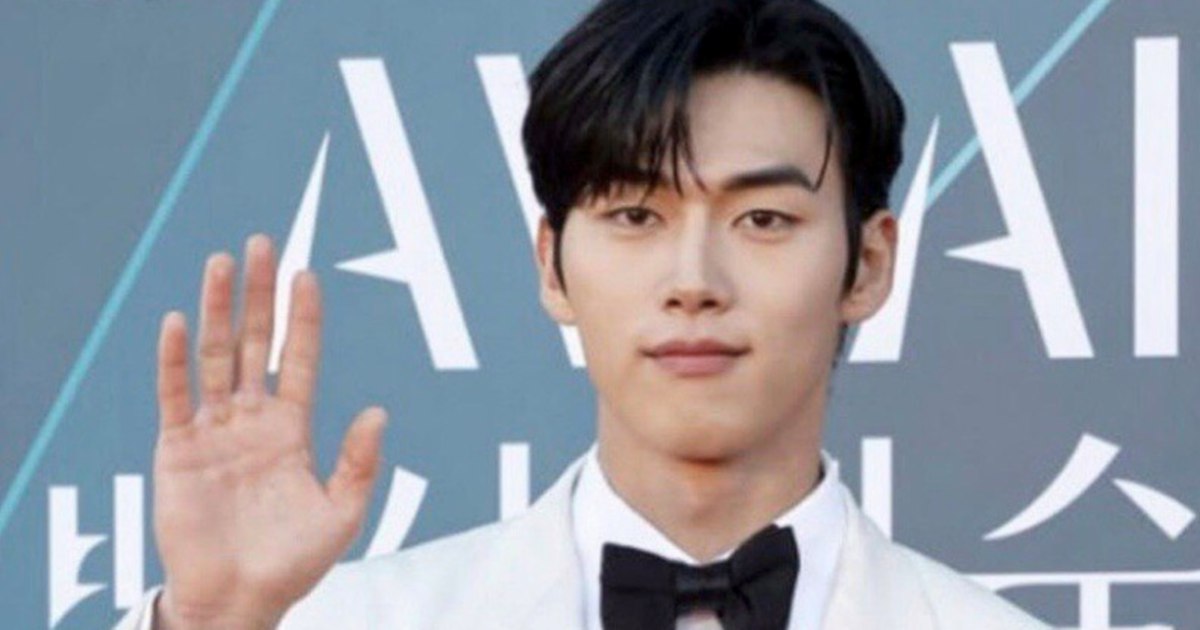
South Korean actor Hong Min-gi is at the centre of a personal dispute following allegations of verbal and physical mistreatment levelled by a former romantic partner. The woman, identified as an influencer named A, has brought forward accusations that have sparked discussion within Korean entertainment circles and on social media platforms. The claims represent a continuation of heightened scrutiny around workplace conduct and personal behaviour among Korean celebrities, reflecting broader conversations about accountability in the industry.
The actor's representation moved swiftly to address the allegations, issuing a formal statement that categorically rejects each claim made by the former girlfriend. Rather than offering detailed point-by-point rebuttals, the agency emphasised its confidence in the actor's character and expressed dismay at what it characterised as false accusations. The response demonstrates the standard playbook adopted by entertainment management firms when facing such allegations: immediate denial paired with assertions of the client's integrity.
Beyond mere denial, Hong Min-gi's agency has signalled an aggressive legal posture, announcing its intention to pursue formal action against the accuser. This escalation suggests the agency believes the allegations are sufficiently unfounded to warrant courtroom scrutiny and has opted for a confrontational rather than conciliatory approach to resolution. Such decisions carry significant reputational risk, as legal proceedings in high-profile cases often generate additional media attention and public debate regardless of eventual outcomes.
The emergence of these allegations reflects the increasingly public nature of disputes involving entertainment industry figures in South Korea. Where such matters might once have remained private or been resolved through industry intermediaries, the presence of social media platforms and online influencer communities has fundamentally altered the dynamics of reputation management. Influencers and public figures now possess the tools to amplify their accounts directly to audiences, bypassing traditional gatekeepers.
South Korea's entertainment sector has experienced considerable turbulence over recent years regarding misconduct allegations. High-profile cases have resulted in significant career disruptions for actors and performers, with some facing criminal charges while others have seen their professional opportunities evaporate following public accusations. This context adds weight to the Hong Min-gi situation, as both the accuser and the accused operate within an industry increasingly sensitised to such matters.
The distinction between the accuser's public profile as an influencer and the defendant's status as a television and film actor introduces an additional layer to this dispute. Influencers have cultivated direct relationships with substantial online audiences who may be receptive to their narratives, while established actors rely heavily on formal industry infrastructure and professional relationships. This asymmetry shapes how each party might strategically present their case to the public.
For Malaysian and regional audiences, this incident underscores ongoing challenges within the Korean entertainment industry regarding professional standards and interpersonal conduct. The Korean Wave's significant cultural influence across Southeast Asia means that controversies affecting Korean celebrities often receive regional attention and can influence viewer perceptions of performers and productions. Entertainment companies and broadcasters in Malaysia frequently acquire Korean content, making the reputational standing of Korean actors a matter of commercial interest.
The agency's decision to pursue legal remedies rather than seeking private resolution suggests confidence that the allegations lack substantive foundation, or alternatively, a strategic calculation that aggressive defence serves the actor's long-term interests better than damage control. Such decisions, however, can sometimes backfire if legal proceedings reveal facts contradicting the agency's public statements or if public sympathy aligns with the accuser regardless of legal outcomes.
The situation also highlights the vulnerability of entertainment professionals to allegations, whether grounded in fact or not. The combination of demanding work schedules, power imbalances inherent in hierarchical industry structures, and emotional labour involved in performance creates environments where disputes can become personal conflicts with wider repercussions. How such situations are adjudicated—whether through legal systems, industry bodies, or public opinion—remains contested terrain.
Moving forward, the case will likely unfold through formal legal channels, with each side presenting evidence and arguments to courts. The duration and visibility of these proceedings will determine whether Hong Min-gi's career trajectory remains intact or whether the allegations leave lasting professional scars. For the regional entertainment market, the outcome may influence how broadcasters and production companies approach engagement with Korean talent, particularly regarding due diligence on background and conduct.
The allegations also prompt reflection on broader industry practices across East Asia regarding workplace safety, consent, and accountability mechanisms. While South Korea has begun implementing stronger oversight frameworks, systemic challenges persist in ensuring that power imbalances do not facilitate misconduct or that accusations receive fair adjudication independent of celebrity status or media influence. This case will contribute to ongoing conversations about these fundamental issues within the region's entertainment ecosystem.

