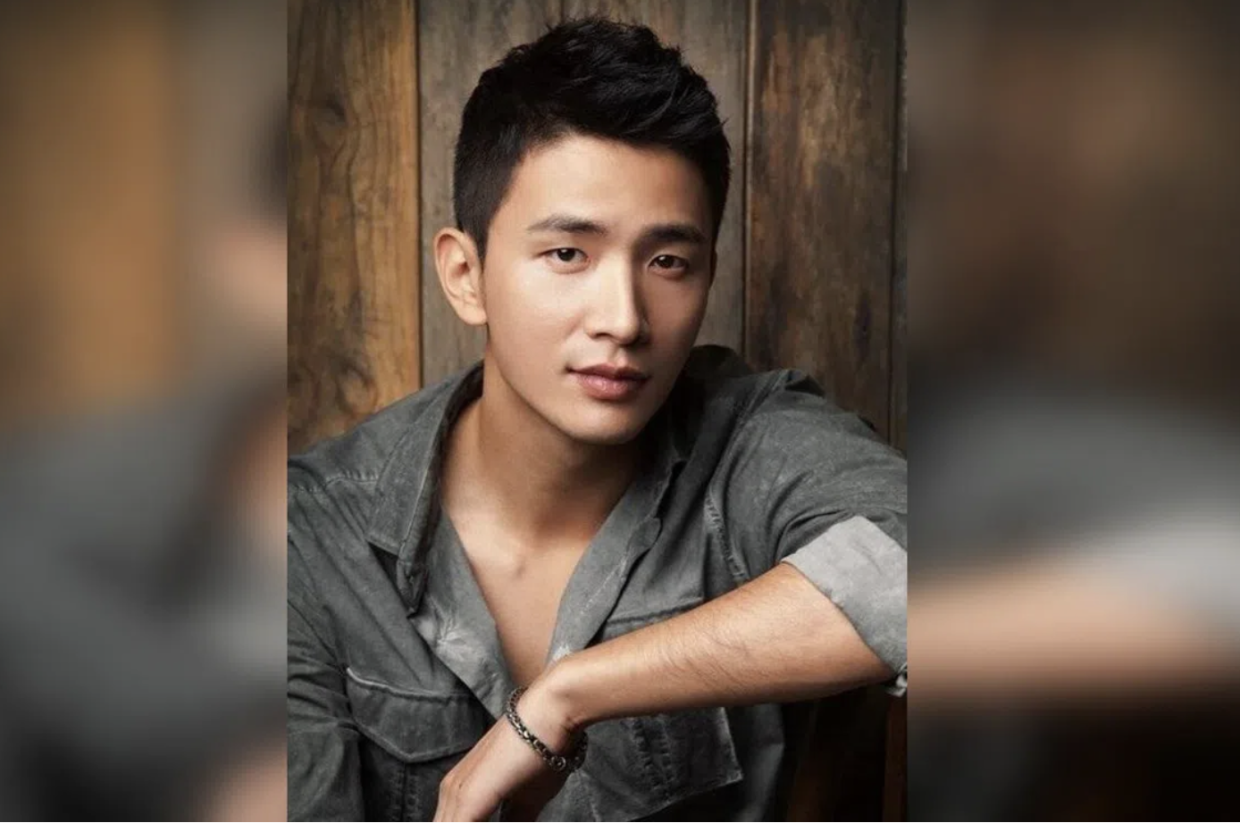
South Korean actor Lee Yong-joo, whose television career spanned nearly two decades and included roles in beloved dramas such as Princess Hours and the tvN comedy series Blue Tower, has died at the age of 44. The performer passed away on August 29 following sudden cardiac arrest, according to reports from South Korean media outlets. News of his death was first shared publicly through social media by a close associate, who expressed shock at the unexpected loss and called on fans and colleagues to honour Lee's memory as he made his final journey.
Lee's sudden passing has brought his long-standing medical condition back into public discourse. In 2013, while promoting Blue Tower, the actor had openly disclosed that he lived with hypertrophic cardiomyopathy, a hereditary heart condition characterised by an abnormally thickened heart muscle that can impair the organ's ability to pump blood effectively. This diagnosis had profound consequences for his life and career, as he was subsequently granted exemption from South Korea's mandatory military service—a requirement that typically applies to all able-bodied male citizens. The condition ran in his family; his mother had also been hospitalised with the same ailment, and doctors had recommended that family members undergo screening due to the disease's hereditary nature.
Lee's entertainment career began in the competitive world of modelling before he transitioned into acting. His film debut came in 2004 with a supporting role in Doma Ahn Jung-geun, followed by television appearances that gradually expanded his visibility. In 2005 and 2006, he appeared in the MBC series Hello, Francesca, which helped establish him as a recognisable face on Korean screens. However, his breakthrough moment came with his role in the 2006 hit drama Princess Hours, a series that became a cultural phenomenon across East Asia and remains widely streamed and discussed by international audiences today.
In Princess Hours, Lee portrayed Jang Kyung, a high school friend and classmate of the male lead character Crown Prince Lee Shin, who was played by actor Ju Ji-hoon. The drama, which told the story of an ordinary girl unexpectedly chosen to marry a crown prince, captivated viewers with its blend of romance, humour, and palace intrigue. Lee's character provided crucial comedic relief and emotional grounding to the narrative, contributing to the series' enduring popularity. His performance in this landmark production established him as a versatile supporting actor capable of delivering both dramatic weight and entertaining moments.
Following the success of Princess Hours, Lee continued to build his career through a diverse range of television projects spanning different genres and networks. He appeared in the comedy series Unstoppable Marriage in 2007, and became closely associated with the Rude Miss Young-ae franchise, a long-running comedy programme that kept him in the public eye from 2007 through 2019. During this period, he also took on roles in dramas including The Women's Room in 2013, the food-centred series Let's Eat that same year, and My Unfortunate Boyfriend in 2015, demonstrating his willingness to explore varied character types and storytelling approaches.
Yet it was his starring role in Blue Tower, the tvN sitcom that aired between 2013 and 2014, that perhaps best showcased his comedic talents and brought him fresh popularity. In the series, he played a new military recruit, a role that carried particular poignancy given his lifetime exemption from actual military service due to his heart condition. Rather than shying away from this aspect of his personal circumstances, the production thoughtfully incorporated his lack of military experience into the character's narrative arc, demonstrating how Korean television could address and integrate real-life circumstances into entertainment. His performance in Blue Tower earned him recognition as a capable comedy actor with genuine chemistry with his co-stars.
The news of Lee's death has resonated deeply within the South Korean entertainment industry and among international fans who grew up watching Princess Hours and his other projects. His passing underscores the serious nature of hypertrophic cardiomyopathy and serves as a sobering reminder that medical conditions, even when managed and accommodated, can have tragic outcomes. For Malaysian and Southeast Asian viewers who encountered Lee's work through regional broadcasts and streaming platforms, his death represents the loss of a familiar television presence who contributed to some of the region's most beloved Korean dramas.
Arrangements for Lee's funeral were made quickly following his death. His wake was established at Room 5 of the Bundang Jesaeng Hospital Funeral Hall located in Seongnam, Gyeonggi Province. The funeral procession took place on August 31 at 6.30 in the morning, with his burial subsequently held at the Seongnam City Funeral Culture Complex. These traditional Korean funeral rites allowed family members, colleagues, and friends to pay their final respects to the actor and bid him farewell.
Lee's legacy remains embedded in the landscape of Korean television from the mid-2000s onwards, particularly through his association with Princess Hours, which continues to introduce new audiences to his work through on-demand streaming services and international distribution networks. For a generation of viewers across Southeast Asia, his face became synonymous with the golden age of Korean drama exports that fundamentally changed the region's entertainment consumption patterns and contributed to the broader Korean Wave phenomenon. While his career was cut tragically short, the body of work he left behind ensures that his contributions to Korean television will be remembered and continue to reach audiences for years to come.

