A prestigious South Korean chef operating a two-star Michelin restaurant has been prosecuted for serving an unapproved ingredient that transformed a sophisticated palate-cleansing dessert into a food safety violation. Seoul prosecutors brought charges against the restaurant owner at a Monday court hearing, seeking a one-year prison sentence and a 20 million won penalty for breaching regulations governing which organisms may be offered to diners. The case underscores how even celebrated culinary establishments operating at the highest levels of gastronomic achievement remain subject to rigorous compliance frameworks, particularly in South Korea where food safety standards carry significant legal weight.
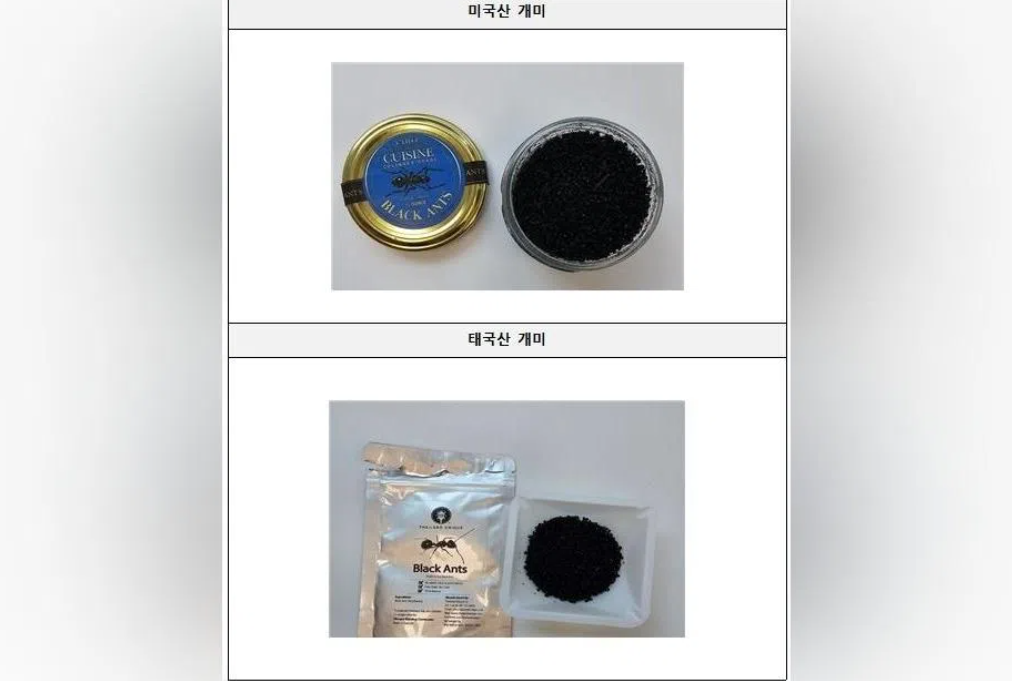
The violation centred on the chef's decision to top sorbet desserts with black ants, which he incorporated to impart a sour flavour dimension to the icy confection. While this garnishing technique might appear innovative from a molecular gastronomy perspective, it ran directly counter to South Korea's carefully regulated approved insect list. Under the country's food safety framework, only ten insect species have been officially sanctioned for human consumption, a roster that includes grasshoppers and brown mealworm larvae but conspicuously excludes ants. The chef sourced these prohibited insects from international suppliers in Thailand and the United States, compounding the regulatory breach by introducing foreign-origin organisms whose safety profiles may not have been validated within the South Korean food system.
The scope of the operation revealed through investigation demonstrates this was not an isolated experimental deviation but rather a sustained commercial practice. Between early 2021 and January 2025, the restaurant prepared ant-garnished sorbets across approximately twelve thousand transactions, generating revenue exceeding 120 million won from this single menu item. Each serving featured between three and five ants meticulously positioned atop the sorbet, suggesting a deliberate and consistent implementation of the technique rather than an accidental contamination incident. A photographic exhibit entered as evidence by the food safety ministry showed a tin labelled "Cuisine Black Ants", indicating the chef sourced insects through commercial culinary channels rather than harvesting them haphazardly.
The investigation commenced roughly a year before the prosecution hearing, with food safety authorities becoming aware of the practice and launching a formal probe into the restaurant's operations. Prosecutors' charging documents alleged that the chef intentionally applied the ants "to add a sour taste", establishing clear intent rather than negligent handling. This distinction carries significance in South Korean criminal food safety jurisprudence, where deliberate violations typically warrant more severe penalties than inadvertent breaches. The prosecution's request for a one-year incarceration term, coupled with the 20 million won fine as reported by the Newsis news agency, reflects the seriousness with which Seoul authorities treat deviations from approved ingredient frameworks.
The restaurant's legal representatives mounted a defensive posture centred on informed consumer consent, arguing that patrons who received ant-adorned sorbets had provided advance approval for this non-standard service. This consent-based argument represents a classic legal strategy in food safety cases, positioning the establishment as transparent with willing participants rather than perpetrators of deceptive practice. However, regulatory authorities in South Korea typically maintain that food safety standards supersede individual consumer agreement, operating on the principle that official approval lists exist to protect public health regardless of voluntary participation. The defence strategy thus confronts a substantive legal question about whether consent can override statutory food safety requirements.
In his closing statement, the defendant expressed remorse, attributing the transgression to insufficient understanding of applicable regulations rather than willful non-compliance. This regulatory ignorance defence—however genuine—carries limited persuasive weight in modern food safety enforcement, where restaurants operating at Michelin standards are presumed to possess comprehensive knowledge of permitted and prohibited ingredients. A two-star Michelin establishment represents the apex of culinary achievement, suggesting the proprietor operates with sophisticated awareness of ingredient sourcing, preparation protocols, and safety frameworks. The disparity between this elevated professional standing and a claim of regulatory unfamiliarity may explain prosecutors' confidence in seeking substantial penalties.
For the broader Southeast Asian culinary landscape, this case presents instructive implications about regulatory boundaries circumscribing experimental cuisine. As molecular gastronomy and avant-garde cooking techniques proliferate throughout the region, chefs increasingly push ingredient boundaries in pursuit of novel flavour and textural experiences. The South Korean prosecution signals that even prestigious establishments cannot assume creative freedom overrides statutory food safety classifications. Malaysia, Singapore, and other regional markets maintain similarly rigorous systems governing approved ingredients, creating comparable legal exposure for chefs who introduce unapproved organisms regardless of culinary intent or consumer consent.
The ant sorbet incident also illuminates tensions between culinary innovation and regulatory protection that characterise modern fine dining environments. Michelin stars reward creativity, technical excellence, and memorable dining experiences—qualities that sometimes incentivize precisely the kind of boundary-pushing that regulatory frameworks are designed to constrain. This fundamental tension exists globally but manifests distinctly across different jurisdictions with varying food safety philosophies and enforcement intensities. South Korea's apparent willingness to prosecute even prestigious culinary figures suggests the nation prioritizes systematic compliance over accommodating elite chef autonomy.
The Seoul Western District Court is scheduled to deliver its ruling in early September, determining whether the prosecution's recommended penalties will be adopted, modified, or rejected. This decision will establish important precedent for how South Korean courts balance food safety compliance against culinary innovation and whether consent-based defences hold meaningful legal standing. The case outcome will likely influence how other chefs across South Korea and the broader region approach experimental ingredient deployment, potentially encouraging more conservative approaches to non-traditional components or alternatively establishing clearer boundaries for acceptable culinary experimentation within regulatory frameworks.

