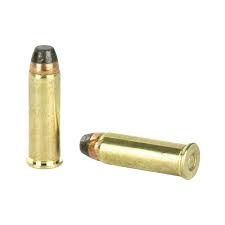
Authorities on Jeju Island have opened a formal investigation into a Gyeonggi province police officer who attempted to board a domestic flight while carrying live ammunition, marking another breach of South Korea's stringent firearms regulations. The officer, a man in his 30s, was detected with two live rounds in his possession as he prepared to board a flight from Jeju Airport to Gimpo Airport at approximately 8.40pm on June 28, according to a statement from Jeju Seobu Police Station released on July 3. Although the officer was not armed with an actual firearm, the discovery has prompted authorities to examine how he obtained and transported the ammunition without proper authorization.
The incident highlights persistent vulnerabilities in South Korea's airport security protocols and the broader challenge law enforcement agencies face in enforcing strict weapons management standards among their own personnel. Notably, airport screening procedures at Gimpo Airport failed to detect the ammunition during the officer's outbound journey to Jeju on June 26, suggesting potential inconsistencies in baggage inspection procedures across different terminals or inconsistent application of security standards. The gap between these two screenings—one successful and one unsuccessful—raises questions about whether systematic lapses exist in how airports handle ammunition detection.
Forensic analysis conducted by the National Forensic Service determined that the two bullets were ammunition for a .38-calibre pistol, the standard-issue firearm distributed to most law enforcement personnel throughout South Korea. This detail is significant because it demonstrates the officer had access to ammunition matching his departmental weapon, raising concerns about how easily officers might circumvent secure storage requirements. The identification of the specific calibre also suggests investigators are examining whether the ammunition came from authorized police sources or elsewhere.
When questioned by police, the officer provided an explanation that has become the focal point of the investigation: he stated that another officer—a recent retiree from his workplace—gave him the rounds. This account requires verification, as it raises further questions about how outgoing officers dispose of ammunition and whether there are adequate checks on the transfer of such materials upon retirement. The claim also suggests informal sharing of weapons-related materials among police personnel, a practice that undermines official storage and accountability protocols.
The officer faces accusations of violating the Act governing the safety management of guns, swords and explosives, South Korea's primary legislative framework for regulating weapons and ammunition possession. This statute reflects the nation's commitment to maintaining civilian disarmament and tight control over weapons in the hands of authorized personnel. The charges carry significant weight precisely because they target someone entrusted with law enforcement duties, making the breach particularly serious from a public safety perspective.
South Korea's firearms regulations are among the world's most restrictive, reflecting the nation's commitment to maintaining public safety through strict weapons control. For police officers specifically, regulations mandate that personal firearms and related materials must be stored at the police station's armoury rather than kept at home or transported unnecessarily. This requirement aims to prevent unauthorized access, theft, or misuse of weapons and ammunition. The officer's possession of ammunition outside official armoury facilities constitutes a direct violation of these protocols.
The investigation underscores ongoing implementation challenges within South Korea's security apparatus. Despite clear regulatory frameworks and enforcement mechanisms, individual officers occasionally attempt to circumvent established rules—sometimes with justifications like personal oversight or informal arrangement with colleagues. For Malaysian readers familiar with Southeast Asia's own struggles with weapons management and airport security, the incident demonstrates that even highly developed nations with sophisticated enforcement structures encounter enforcement gaps when regulations depend on voluntary compliance by the regulated individuals themselves.
The discovery of ammunition at an airport also raises broader concerns about what other contraband or security threats might pass through airport screening if ammunition detection systems are inconsistent or improperly operated. The fact that the outbound screening missed the ammunition but the return screening caught it suggests variable detection standards or operator attentiveness. This inconsistency could have implications beyond weapons detection, potentially affecting detection of other prohibited items.
Further complicating the case is the involvement of a retired officer as the source. Retirement procedures for law enforcement personnel in South Korea may lack adequate checks regarding weapons-related materials in their possession. When officers leave the force, there should be documented procedures ensuring all government-issued weapons and ammunition are returned and accounted for. If a retiree retained or obtained ammunition that was subsequently distributed to an active officer, this suggests a breakdown in exit protocols.
The case arrives amid broader discussions in South Korea about personnel accountability and institutional discipline within law enforcement. While South Korea's police force maintains high professional standards generally, individual incidents like this fuel public debate about whether internal controls sufficiently prevent misconduct. The officer's rank, unit assignment, and operational history may all become relevant to understanding whether this represents an isolated lapse or part of a pattern of concerning behaviour.
Investigators will likely examine phone records, departmental communications, and interviews with the retired officer to establish a clearer timeline and motive for the ammunition transfer. They may also review the officer's travel history and whether previous trips involved similar violations that went undetected. The investigation's findings could prompt recommendations for procedural changes in how police stations manage ammunition inventory and how officers are trained on transportation regulations.
For South Korea, the incident serves as a reminder that security frameworks require constant reinforcement through enforcement and personnel accountability. As the investigation proceeds, its outcomes may influence how law enforcement agencies nationwide implement security protocols and how strictly retirement procedures are enforced. The case also demonstrates that rigorous systems only function effectively when all personnel, particularly those responsible for maintaining order, consistently adhere to established rules.

