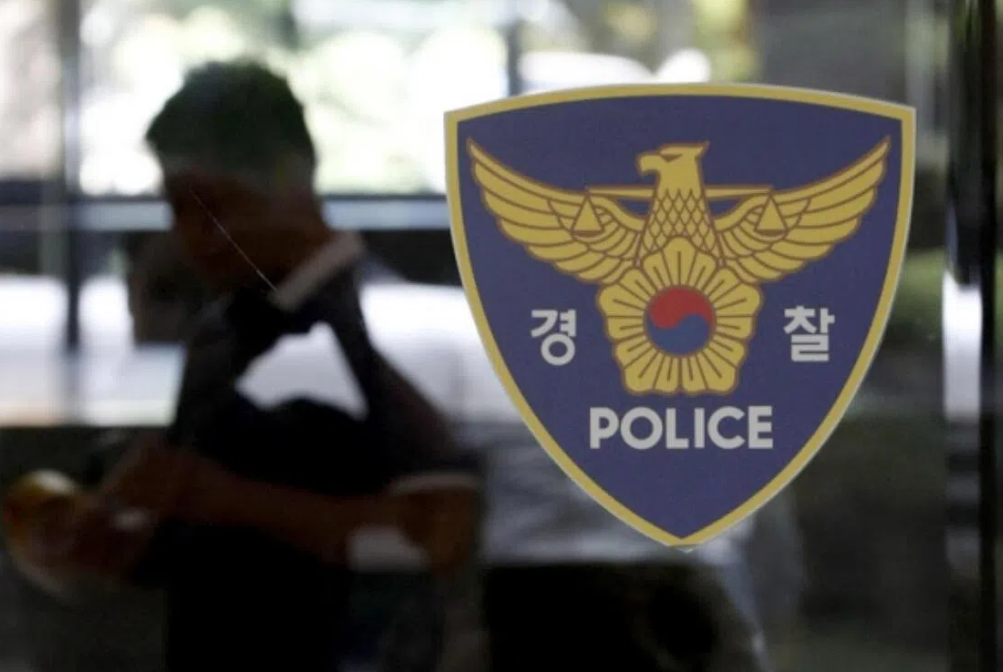
A police officer working at the Incheon Michuhol Police Station faces potential criminal charges following a tragic incident in which she struck and killed a woman she had been sent to help. The officer, who is in her 20s, is being investigated for causing death as a result of a traffic accident that occurred around 12.45am on July 3. The case has reignited questions about emergency response procedures and police vehicle operation in challenging conditions.
The fatal encounter unfolded after authorities received a report that a woman in her 60s had collapsed on the roadway. Following standard protocol, the police officer was dispatched to the scene to provide assistance to the distressed citizen. However, what should have been a routine welfare response turned into a tragedy when the officer's patrol vehicle struck the woman as she lay on the street. The victim was pronounced dead at the scene, marking an outcome that has shocked both the police department and the local community.
According to statements provided to investigators, the officer claimed she did not observe the victim before impact. Police have attributed the difficulty in spotting the woman to several environmental factors, particularly the darkness of the early morning hour and the location's poor lighting conditions. The accident occurred at a junction near a left turn in the road, positioning the victim in a location that may have been difficult for an approaching vehicle operator to notice, especially in low-visibility circumstances.
The Incheon Michuhol Police Station has initiated a comprehensive investigation to determine the precise circumstances and any potential negligence involved in the incident. Authorities have stated they will carefully examine surveillance footage from the area to reconstruct the sequence of events leading up to the collision. This forensic analysis of video evidence will play a crucial role in establishing whether the officer exercised reasonable care and attention while operating the emergency vehicle, or whether her conduct fell below the standard expected of a trained law enforcement officer.
The investigation's scope extends beyond simply reviewing physical evidence, as officials must also evaluate procedural compliance and whether appropriate safety measures were followed during the response. Emergency responders face significant pressure to reach those in distress quickly, but this must be balanced against the paramount duty to avoid causing harm while en route. The intersection of rapid response expectations and vehicular safety protocols will likely feature prominently in the inquiry.
A police sergeant who occupied the passenger seat during the incident has not been flagged for potential disciplinary action or criminal charges. Officials indicated that the officer in the driver's seat bore responsibility for vehicle operation and situational awareness. This division of liability follows standard practice in vehicle incident investigations, where the operator typically carries primary accountability.
For Malaysia and Southeast Asia more broadly, this tragedy underscores the operational challenges that emergency services face when responding to calls in urban areas with inadequate lighting infrastructure. Many cities across the region struggle with similar nighttime visibility issues, raising questions about whether adequate street lighting and reflective markers are standard features of response zones. The incident also highlights the training gap that may exist in how officers are instructed to navigate potentially hazardous environments when locating distressed citizens.
The case will likely generate discussion about operational procedures when responding to reports of people in the roadway, particularly during night hours. Emergency protocols may need to emphasize vehicle speed reduction in low-visibility conditions and deployment of additional warning measures when approaching a scene where a human obstacle is known to be present. The balance between expedience and caution in emergency response represents a persistent challenge for police forces worldwide.
The investigation remains ongoing, with authorities yet to determine whether to pursue formal arrest proceedings against the officer. The decision will hinge on findings from surveillance footage analysis and the broader investigation into whether the officer's actions constituted criminal negligence or represented a tragic accident occurring despite reasonable precautions. The outcome will set precedent for similar incidents involving emergency service vehicles.
This incident also raises broader questions about the adequacy of road safety infrastructure in areas prone to pedestrian emergencies. Improving nighttime visibility through strategic lighting installation and reflecting warning devices could potentially prevent similar tragedies in the future. The case serves as a sobering reminder that emergency response operations, while vital to community welfare, carry inherent risks that require careful management and continuous procedural refinement to minimize unintended consequences.

