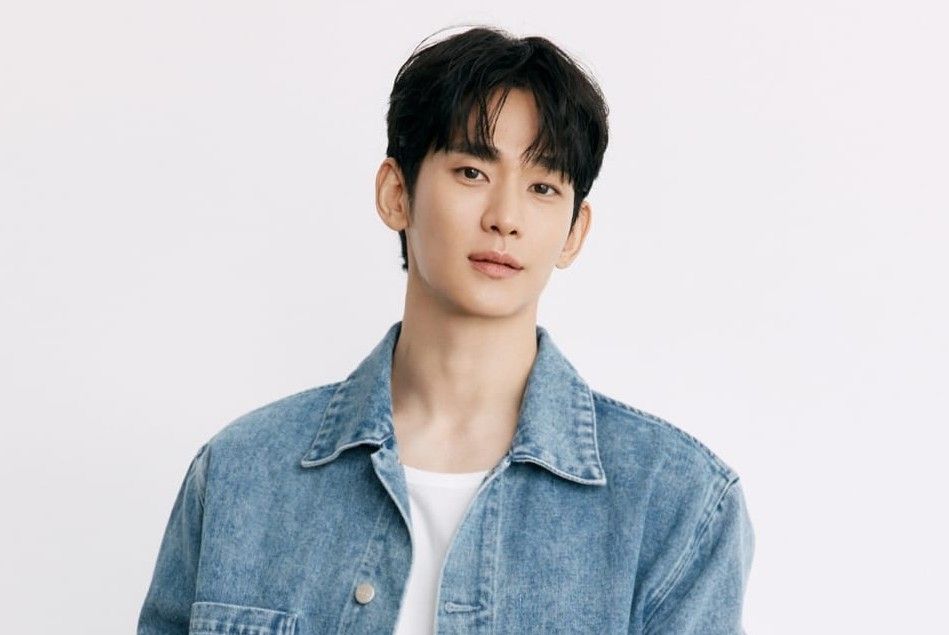
South Korean television and film star Kim Soo-hyun has re-emerged into the public spotlight through a significant brand partnership with Bench, the Philippines' leading clothing and lifestyle retailer. The announcement of his return came through the brand's founder Ben Chan, who posted behind-the-scenes images and announcements on Instagram on July 14, celebrating what he described as a reunion with the "Bench family." The move represents a deliberate and strategic comeback for the acclaimed actor, whose presence in regional advertising campaigns has long resonated with audiences across Southeast Asia.
The commercial shoot and accompanying photo campaign showcase Kim in a series of outfits from Bench's collections, with promotional imagery released by both the brand and his agency Gold Medalist. Ben Chan's social media posts featured Kim posing before decorative balloons and wearing various pieces from the retailer's range, with captions emphasizing the warmth of his return to the partnership. The branding effort appears designed to signal not merely a transactional relationship but a genuine reconnection, with Chan's framing language suggesting continuity rather than a fresh start.
Miguel Pastor, serving as creative director for Suyen Corporation, the parent company overseeing Bench's operations, elaborated on the significance of Kim's return in a statement accompanying a short promotional video. Pastor characterized the actor's involvement as marking "a welcome return to one of his most recognizable brand partnerships," while simultaneously positioning the campaign as the start of "a new chapter" in Kim's professional trajectory. This carefully calibrated language reflects the delicate nature of rehabilitating a public figure's image following a period of reputational controversy and voluntary withdrawal from the entertainment industry.
Kim's disappearance from public view began in March 2025, triggered by allegations concerning his romantic involvement with the late actor Kim Sae-ron. The accusations carried particular gravity given questions about Kim Sae-ron's age at the time the relationship allegedly commenced. Kim Soo-hyun publicly denied the charges, asserting through statements that any romantic connection had only begun after Kim Sae-ron had attained legal adulthood. The denial and counterarguments represented his attempt to establish a clear distinction between what he characterized as age-appropriate conduct and the implications embedded within the original allegations.
The legal resolution of these charges proceeded through official channels when South Korean police concluded in May that the accusations leveled by Kim Se-ui, identified as the head of HoverLab, lacked factual foundation. This official determination provided crucial vindication for the actor's position, though the reputational damage sustained during the investigation period remained considerable. Following the police determination, Kim moved forward with his own legal action, initiating a defamation lawsuit against Kim Se-ui, thereby shifting from a defensive posture to an aggressive assertion of his rights.
Beyond the personal allegations, Kim Soo-hyun's public absence triggered additional complications for commercial partners. Outdoor apparel manufacturer Eider pursued legal action against the actor and his representation, claiming that the scandal and associated negative publicity had materially diminished the company's brand equity and market standing. The damages claim reflected the financial and reputational vulnerability experienced by corporations when celebrity endorsers become embroiled in controversy. However, evidence emerged suggesting movement toward resolution when, on July 8, a court mediating the dispute recommended that both the brand and Kim's agency pursue settlement negotiations.
The timing of Kim's return through the Bench campaign follows preliminary steps announced by his agency Gold Medalist on June 5, when the organization disclosed that commercial and photographic work for the Philippine retailer would commence. This advance notification functioned as a controlled reentry strategy, allowing industry observers and the public to anticipate and adjust to his return before full public visibility resumed. The methodical approach contrasts sharply with abrupt comebacks, instead constructing a narrative arc that emphasizes measured rehabilitation and careful calibration of public messaging.
For Southeast Asian audiences and Malaysian readers particularly, Kim Soo-hyun's standing within regional entertainment ecosystems has long been substantial. South Korean entertainment exports, including dramas, films, and celebrity endorsements, occupy significant cultural and commercial space across Malaysia and the broader region. The actor's previous visibility through advertising campaigns, entertainment platforms, and streaming content has positioned him as a recognizable figure within regional media consumption patterns. His return therefore carries implications beyond personal career recovery, influencing broader discussions about celebrity accountability, scandal management, and institutional responses to allegations within the entertainment industry.
The Bench partnership also reflects practical considerations regarding celebrity brand alignment and strategic recovery. Philippine retailers targeting regional demographics often pursue celebrity relationships with cross-cultural appeal, and Kim's previous association with the brand apparently retained sufficient commercial value to justify renewed partnership despite the intervening controversy. The decision by Bench and its parent company to proceed with the campaign suggests calculated confidence that consumer sentiment and media narratives had sufficiently stabilized to permit profitable brand association.
Kim's reposting of campaign content on his personal Instagram Stories indicated active participation in the narrative construction around his return, rather than passive placement through institutional channels alone. This social media engagement represented a symbolic reclamation of direct communication with audiences and followers, demonstrating comfort with public-facing activity after an extended period of withdrawal. The move signaled readiness to resume not merely professional obligations but the broader relationship-building and audience cultivation that characterizes contemporary celebrity management.
The broader context of Kim's situation reflects ongoing tensions within entertainment industries concerning celebrity conduct, institutional accountability, and pathways to professional rehabilitation. The police determination that allegations were baseless provided legal exoneration, yet the actor's extended absence suggested recognition that legal clearance alone could not immediately restore damaged public standing. The structured return through a major commercial partnership therefore represents an attempt to leverage positive brand association and consumer activity as instrumental in rebuilding public perception and professional credibility.
Looking forward, the success of Kim's career rehabilitation will likely depend on sustained public reception and the absence of additional controversy. The Bench campaign serves as a significant milestone in his re-entry, but broader vindication would require successful navigation of his defamation lawsuit against Kim Se-ui and potentially satisfactory resolution of the damages claim from Eider. For Malaysian observers, the situation exemplifies how celebrity careers in the interconnected Asian entertainment landscape can be affected by developments within other national contexts, and how commercial recovery necessarily follows legal and public opinion shifts.

