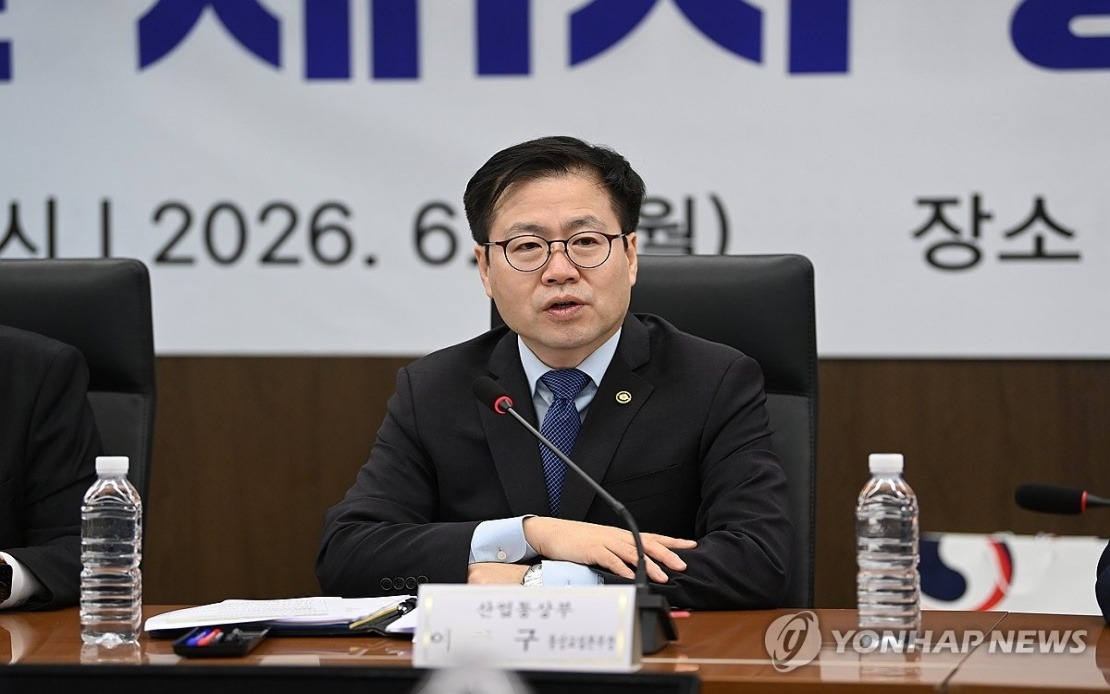
South Korea's chief trade negotiator has been removed from office, the Ministry of Personnel Management confirmed on Friday, raising questions about the timing of the decision as Seoul grapples with mounting pressure from Washington over unresolved trade matters. Yeo Han-koo, who held the position at the Ministry of Trade, Industry and Energy, received notification of his dismissal but no official explanation was provided for the termination.
The government moved quickly to distance the decision from the escalating tariff confrontation with the United States. A ministry official stated that the dismissal carried no connection to the ongoing trade negotiations between Seoul and Washington, a clarification that appeared designed to forestall speculation about the political sensitivity of removing a key negotiator during such a delicate period. However, the proximity of the announcement to fresh American trade action prompted immediate conjecture about whether the removal signaled broader shifts in Seoul's negotiating strategy or reflected deeper friction within the government over how to handle US demands.
Yeo addressed suggestions that personal misconduct had triggered his removal by issuing a public statement denying such allegations outright. He indicated he might pursue legal remedies against what he characterized as false reporting, suggesting that misinformation about his dismissal had circulated within media and political circles. The forceful denial added an unusual dimension to what officials presented as a routine personnel matter, underscoring the contested nature of the explanation being offered.
The dismissal unfolds against a backdrop of intensifying bilateral trade friction that extends beyond traditional tariff disputes. Washington has been pressing Seoul to accelerate its investment commitments as part of an existing bilateral trade arrangement, effectively seeking faster capital flows and economic integration on American terms. Complicating matters further is an unresolved disagreement over penalties that South Korean authorities imposed on Coupang, the American-listed e-commerce company, following a data security breach. The fine represents a point of friction that demonstrates how trade relations now encompass broader questions about technology governance, consumer protection, and regulatory sovereignty.
The timing proved particularly inauspicious, as Thursday saw President Donald Trump sign a proclamation establishing new tariffs that directly affected South Korean exporters. A 15 percent levy on drone imports and their components targeted South Korea among other nations, placing immediate pressure on manufacturers in that sector and signaling American determination to reshape trade relationships through tariff action. The measure illustrated Trump's administration's readiness to employ tariffs as both economic tools and negotiating leverage, a pattern that has characterized recent US trade policy across multiple sectors and regions.
Yeo's professional trajectory reflected South Korea's complex relationship with trade negotiations and economic diplomacy. He previously held the trade minister position during the Moon Jae-in administration, accumulating experience in managing Seoul's economic relationships with major trading partners. Following the transition to the Lee Jae Myung administration in May 2025, Yeo received reappointment to his negotiating role, suggesting the new government valued his expertise and institutional knowledge. His return to the post positioned him as a key figure in Seoul's efforts to navigate American demands while protecting Korean economic interests.
During his tenure since returning to the position, Yeo had emerged as Seoul's primary point person for managing trade relations with Washington. He led negotiations addressing multiple contentious issues, including tariff disputes and South Korean investment commitments that the United States viewed as insufficient. The weight of these responsibilities placed him at the center of decisions that affected thousands of Korean workers and firms across manufacturing, technology, and service sectors. His removal suggests these negotiations may shift direction or intensity, potentially signaling either a strategic recalibration or internal disagreement about negotiating approaches.
For broader Asian observers, including Malaysian policymakers and businesses, the South Korean experience carries instructive implications. Seoul's vulnerability to American tariff pressure reflects structural economic realities that many regional economies share: dependence on US market access, exposure to supply chain disruptions, and limited leverage when negotiating with Washington bilaterally. The drone tariff exemplifies how sectoral vulnerabilities can translate rapidly into economic pressure, affecting companies across multiple countries that participate in shared supply chains. Countries throughout Southeast Asia watching South Korea's experience understand that trade negotiations with the United States increasingly incorporate demands that extend beyond traditional tariff reduction to encompass investment flows, technology standards, and regulatory alignment.
The removal of an experienced negotiator during such circumstances raises questions about Seoul's negotiating capacity and decision-making processes at a critical juncture. Whether the dismissal represents a personnel decision unrelated to trade matters, as officials maintain, or signals deeper strategic disagreement about how aggressively to resist American demands, remains unclear. The ambiguity itself may constitute part of Seoul's negotiating posture, leaving Washington uncertain about the coherence and stability of South Korea's negotiating team. For regional economies facing similar pressures, the South Korean case demonstrates both the costs of tariff escalation and the complex domestic political dynamics that shape trade policy responses.
The path forward for Seoul involves managing both external American pressure and internal questions about who speaks for South Korea in these crucial negotiations. Yeo's replacement will inherit a portfolio encompassing traditional trade talks, investment acceleration demands, and regulatory disputes with the American government. Simultaneously, that individual will operate within a South Korean political context where questions about negotiating strategy, economic sovereignty, and appropriate responses to American pressure have assumed heightened importance. The broader significance lies not merely in personnel change but in what it suggests about how Seoul intends to navigate an increasingly contested trade environment where traditional negotiating approaches may prove inadequate.

