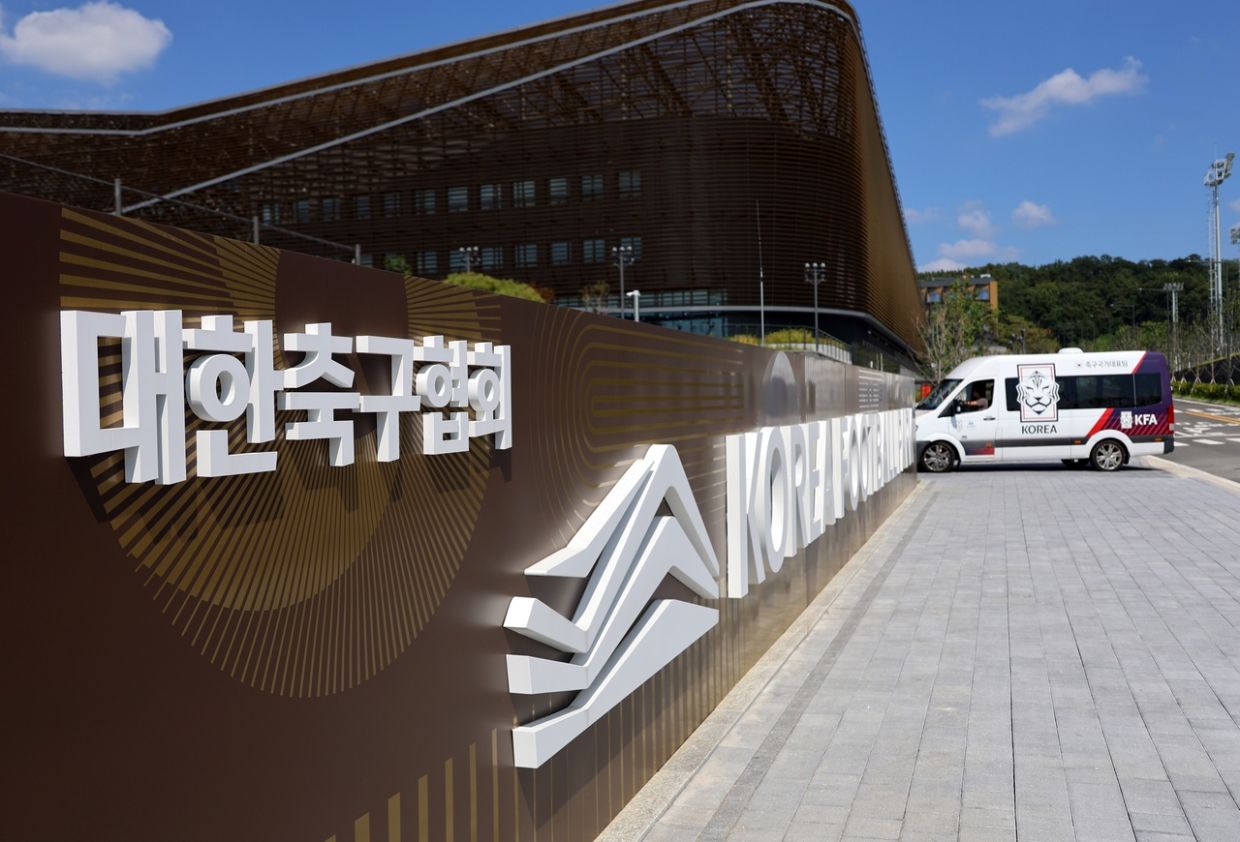
The Korea Football Association's widening scandal involving alleged sexual bribery of foreign referees has now crossed international boundaries, with Japan's Football Association launching its own inquiry just days after the KFA issued a public apology acknowledging the controversy. The Japan Football Association confirmed on Sunday that it is examining four Japanese referees who are allegedly among those who received improper entertainment, according to Kyodo News reporting. The organization intends to release detailed findings once its investigation concludes, marking a significant expansion of what was initially a domestic South Korean matter into a multi-national inquiry that threatens to tarnish football's international community.
The roots of this unfolding crisis extend back much further than recent media coverage suggests. A 2016 audit conducted by South Korea's Ministry of Culture, Sports and Tourism initially documented the questionable payments, but the findings languished in obscurity until a JTBC news report on August 6 thrust the allegations into public view. According to the audit's findings, the KFA authorized corporate credit card transactions on eight separate occasions to finance entertainment at massage establishments for approximately ten foreign referees and match commissioners who were connected to seven matches played within South Korean territory between March 2011 and March 2012. These seven matches comprised three World Cup and Olympic qualifying encounters alongside four friendly international matches, creating the uncomfortable reality that South Korea's national team achieved a 5-2-0 record during this period.
While South Korean officials have categorically denied that match outcomes were improperly influenced, the statistical success during the period when alleged improper entertainment was provided has naturally invited speculation about the integrity of those competitions. The competitive advantage gained from five victories across these encounters, particularly in qualifying matches that carry significance for tournament advancement, lends apparent weight to concerns about whether referees' decision-making may have been compromised. Yet determining causation between alleged entertainment and specific match decisions remains deeply problematic from both evidentiary and sporting perspectives, and Seoul's football authorities maintain that no direct quid pro quo arrangements existed.
The KFA's formal apology on Saturday came amid accumulating institutional pressure that extended well beyond this single controversy. Parliamentary hearings into the association's governance structures were already underway, and police had conducted a raid on KFA offices the previous week related to an entirely separate scandal involving the 2024 hiring decision regarding former national team coach Hong Myung-bo. In its statement, the KFA expressed regret for "the disappointment and concern caused by the various issues and controversies surrounding the association," explicitly disavowed the conduct documented in the audit, and committed to instituting comprehensive reforms designed to enhance organizational transparency and restore public confidence.
Japanese media outlets have since identified two of the referees allegedly implicated, providing biographical detail that adds texture to the international dimensions of the scandal. One identified referee currently serves as a referee manager within the JFA, overseeing officials who work in Japan's professional J-League competition. A second referee, according to reporting, was part of the four-person all-Japanese crew that officiated South Korea's 2012 World Cup qualifier against Kuwait, a match that the audit specifically mentions involved entertainment provisions for two referees. However, some Japanese commentary has appropriately noted the critical distinction that officiating a particular match does not automatically confirm that any given referee personally participated in or benefited from the alleged entertainment arrangements.
The international football governance implications of this scandal have prompted some speculation about potential FIFA sanctions and structural reform of how international football bodies operate. International Business Times UK raised the prospect of discipline and governance overhaul on Thursday, highlighting concerns about how such conduct could occur within FIFA's regulatory framework. However, observers with expertise in international football governance suggest that formal FIFA discipline appears improbable in this instance, given the organization's established procedural constraints and the historical distance between the alleged conduct and present circumstances.
FIFA's ethics code establishes statute of limitations provisions that typically expire between five and ten years for most categories of violation, meaning that conduct from 2011 and 2012 likely falls outside the window during which FIFA could pursue formal sanctions. Critically, the alleged bribery does not appear to qualify for FIFA's narrow category of sexual abuse or exploitation, which carries no temporal limitation on prosecutions. Furthermore, the vast majority of referees identified as potential recipients have since retired from active officiating, substantially complicating any disciplinary investigation that FIFA might theoretically undertake. A previous criminal inquiry conducted by South Korean authorities into these same matters was closed without charges due to insufficient evidence, suggesting that documentary proof of explicit arrangements remains elusive.
The practical implications of this scandal for Malaysian and Southeast Asian football observers warrant careful consideration. The revelation that such conduct could potentially occur at the highest levels of international football—involving countries as prominent as South Korea and officials managing professional competitions—underscores systemic vulnerabilities in how football associations monitor and regulate their officials' conduct. For regional football federations, the scandal serves as a cautionary reminder about the importance of transparent accounting practices, particularly regarding entertainment expenses and official travel, and the necessity of creating robust internal oversight mechanisms that might detect irregular patterns before they accumulate into major institutional crises.
The timing of this exposure, occurring over a decade after the conduct allegedly took place, highlights another concerning dimension: the capacity of historical misconduct to remain hidden within institutional structures until fortuitous circumstances—in this case, a legislative audit and subsequent media investigation—bring matters to light. For Southeast Asian football associations operating within environments where regulatory oversight and independent media scrutiny may vary considerably, the KFA scandal demonstrates how reputational damage can accumulate rapidly once previously concealed issues enter public discourse, potentially affecting international standing and bilateral relationships with other football federations.
Moving forward, the Japan Football Association's investigation will likely establish whether the alleged conduct was localized to specific KFA personnel or represented broader institutional practice during that period. The findings could significantly influence how other Asian football confederations and FIFA itself approach monitoring and auditing the conduct of international match officials. South Korea's explicit commitment to comprehensive institutional reform, assuming genuine implementation, may ultimately provide a constructive model for other football associations seeking to strengthen ethical compliance and operational transparency across their governance structures.

