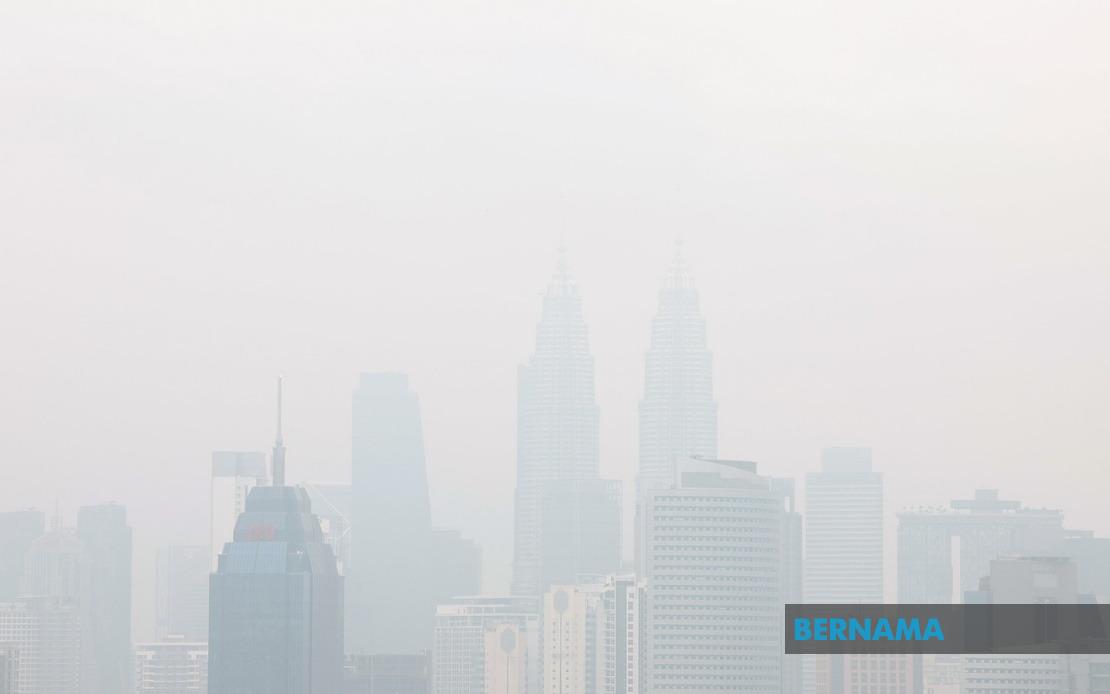
The smoke haze blanketing parts of southern ASEAN threatens to intensify significantly in coming days unless dry weather patterns break, according to a warning from the ASEAN Specialised Meteorological Centre issued mid-week. Already, multiple locations across Malaysia and Indonesia are experiencing unhealthy to very unhealthy air quality, raising fresh concerns about the region's vulnerability to transboundary pollution during dry seasons.
The meteorological body's latest assessment identifies extensive hotspot activity concentrated in West, Central and South Kalimantan alongside Sumatra's central and southern reaches. Satellite observations show moderate to dense smoke columns spreading across these heavily forested regions, a visible indicator of the agricultural burning and land-clearing fires that routinely create the seasonal haze phenomenon affecting millions across Southeast Asia. Isolated to scattered hotspot clusters detected throughout Indonesian territory suggest the problem remains geographically dispersed rather than confined to a single outbreak zone.
Air quality monitoring networks documented the severity across affected areas on Wednesday morning. Three Sarawak stations reported particularly concerning readings, with Sri Aman reaching 167 on the Air Pollutant Index—classified as unhealthy—while Serian and Samarahan registered 166 and 162 respectively. This pattern of elevated pollution in Malaysian Borneo reflects smoke transport from nearby Indonesian fire sources. Across the peninsula, unhealthy API levels appeared in 17 locations spanning six states and both Federal Territories, including major urban centres in Selangor, Kuala Lumpur and Negeri Sembilan, indicating the haze's reach extends well beyond immediate border zones.
The meteorological centre emphasised that continuing dryness represents the decisive factor determining whether current conditions stabilise or deteriorate further. Extended periods without rainfall create ideal conditions for fire propagation across peatlands and forest areas, while simultaneously reducing atmospheric moisture that would otherwise help disperse and settle particulate matter. The persistence of such conditions directly correlates with the transboundary haze episodes that have periodically disrupted regional air quality for decades, affecting public health and economic activity across ASEAN nations.
Wind patterns currently influencing southern ASEAN's atmosphere originate predominantly from southeast to southwest directions, according to meteorological analysis. These prevailing winds function as natural highways for smoke transport, carrying particles from Indonesian fire zones toward Malaysia and potentially further afield. The consistency of such wind systems during dry seasons explains the predictable geographic spread of haze, though forecasting exact intensity and duration remains challenging given numerous atmospheric variables.
Singapore's air quality situation demonstrated notably better conditions compared to western Malaysian locations and Sarawak. The city-state's National Environment Agency reported a 24-hour Pollutant Standards Index ranging from 59 to 78 as of Wednesday afternoon, maintaining the moderate classification that suggests acceptable air quality despite regional haze pressures. The central region recorded the highest reading among Singapore's monitoring stations, though all readings remained substantially below unhealthy thresholds documented in Malaysian areas. This geographic variation reflects Singapore's position south of the primary haze source regions and the influence of maritime air masses moderating pollution levels.
The escalating situation carries serious implications for public health across affected regions. Unhealthy air quality classifications indicate that vulnerable populations—including children, elderly citizens, and those with respiratory conditions—face meaningful health risks from prolonged exposure. Hospital admissions for respiratory complaints typically increase during sustained haze episodes, adding pressure to healthcare systems already managing competing demands. The Air Quality Index readings documented Wednesday morning suggest conditions approaching or exceeding thresholds where health authorities recommend activity restrictions and outdoor exposure limitations.
Economic consequences extend beyond immediate health concerns. Haze episodes reduce visibility for transportation networks, potentially disrupting commercial aviation and shipping operations. Tourism suffers as air quality deterioration discourages regional travel. Agricultural productivity faces impacts from reduced solar radiation and plant stress, while outdoor industrial activities experience productivity declines. The cumulative economic burden across ASEAN during severe haze years reaches billions of ringgit or equivalent in regional currency values, making air quality a significant policy concern extending beyond environmental considerations.
The current situation underscores persistent challenges in managing transboundary air pollution within Southeast Asia's integrated but politically fragmented geography. Despite decades of haze episodes, underlying causes—particularly uncontrolled agricultural burning and land-clearing practices in Indonesia—remain inadequately addressed through enforcement and alternative livelihood programmes. Regional cooperation mechanisms exist but face limitations in implementing binding emissions controls across national boundaries where economic interests in agricultural expansion compete with environmental protection objectives.
Malaysia's historical vulnerability to haze reflects its geographic position directly downwind from major Indonesian fire sources during dry seasons. Western Peninsular Malaysia and Sarawak face particular exposure given their proximity to Indonesian territory experiencing frequent burning activity. The consistent appearance of unhealthy readings in these areas demonstrates that seasonal haze represents an essentially recurring rather than exceptional phenomenon, requiring sustained rather than crisis-response policy attention from Malaysian authorities.
Weather forecasts for coming days will prove critical in determining whether warnings about deteriorating conditions materialise. Should rain arrive within the next 48 to 72 hours, moisture would suppress fire activity and atmospheric haze concentrations. Conversely, continued dry conditions would likely deepen the current situation toward the severe episodes occasionally recorded in previous years. Regional meteorological centres continue monitoring atmospheric patterns and fire activity, with updated assessments expected to guide public health advisories and activity restrictions across affected jurisdictions.
The broader context of climate change adds concerning dimensions to seasonal haze episodes. Scientific analysis increasingly suggests that shifting precipitation patterns and temperature changes may extend dry seasons or intensify drought conditions, potentially expanding fire seasons and haze severity. This developing climate dimension suggests that current experiences might represent preludes to even more challenging air quality management scenarios in coming decades, reinforcing arguments for proactive mitigation strategies addressing both immediate fire management and underlying climate adaptation questions.

