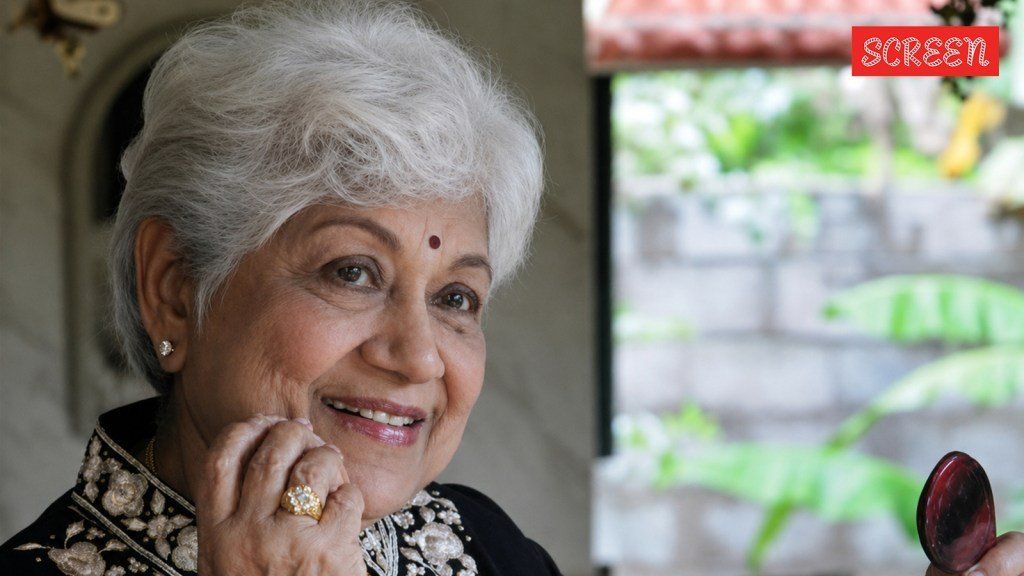
Sowcar Janaki, one of South Indian cinema's most enduring and respected figures, died on Friday following a period of hospitalisation at a private hospital in Chennai. The 94-year-old veteran actress passed away after being admitted to the intensive care unit with age-related complications. Her death marks the end of an extraordinary career that spanned more than seven decades and influenced generations of filmmakers and performers across the Tamil, Telugu, Kannada, and Malayalam film industries.
Sankaramanchi Janaki, widely recognised by her professional name Sowcar Janaki, left an indelible mark on South Indian cinema through her prolific work in what amounted to nearly 400 films. Her longevity in an industry known for its fleeting careers speaks to both her enduring talent and her ability to remain relevant across changing cinematic trends and audience preferences. The news of her death was confirmed by Nassar, president of the South Indian Artistes' Association, who announced that her mortal remains would be displayed at Cenotaph Road in Teynampet from 5 pm onwards.
Janaki's achievements extended well beyond her filmography. She was honoured with the Padma Shri, India's fourth-highest civilian award, recognising her contributions to the arts and cinema. Her trophy cabinet also included a Filmfare Lifetime Achievement Award, two National Film Awards (Nandi Awards), and the Kalaimamani Award, which recognises excellence in the arts within Tamil Nadu. These accolades represent not merely recognition of her work but acknowledgement of her pioneering role in establishing standards for female performers in an era when the film industry offered limited opportunities for women to exercise creative agency.
Her career began in 1950, a pivotal period when Indian cinema was still developing its language-specific industries. Janaki distinguished herself by working across multiple linguistic film industries rather than confining herself to a single regional market, a rarity for actresses of her generation. This multilingual approach allowed her to build audiences across South India and contributed significantly to the cultural integration of the region through cinema. Her willingness to work in Tamil, Telugu, Kannada, and Malayalam productions helped establish networks of technical talent and storytelling conventions that transcended state boundaries.
The roles for which Janaki became most celebrated often positioned her as the archetypal mother figure in South Indian narratives. This casting choice proved to be far more than a limitation; instead, she transformed the maternal role into a vehicle for exploring complex emotional landscapes and human relationships. Her collaboration with legendary filmmaker K. Balachander, who frequently cast her in his productions, became particularly significant in establishing her as an interpreter of sophisticated, psychologically nuanced characters. Tamil Nadu Chief Minister C. Joseph Vijay acknowledged this legacy in his statement, noting that her artistic contributions had secured a permanent place in the hearts of audiences across generations.
Actor Kamal Haasan, who frequently appeared opposite Janaki throughout his career, provided intimate testimony to her professional influence. Beginning with the film Paarthaal Pasi Theerum, their on-screen partnership lasted forty years and encompassed numerous productions in which she played his mother while he took leading roles. Haasan described her as an indispensable talent of South Indian cinema, noting that she had been a preferred casting choice for K. Balachander and had worked with virtually all major heroes of her era. His recollection underscores how Janaki's professionalism and acting ability made her a sought-after collaborator across multiple decades.
Actress Radhika Sarathkumar, herself an accomplished performer, characterised Janaki as a strong-willed pathbreaker who embodied independence in an industry that often constrained women's choices and creative expression. Sarathkumar's tribute emphasised that Janaki had been a close friend of her father, actor M.R. Radha, suggesting that her influence extended into the personal and professional networks of subsequent generations of performers. This intergenerational connection illustrates how pioneering figures in cinema establish cultural lineages that shape the industry long after their active careers conclude.
Telugu cinema also celebrated Janaki's significant contributions to their film industry. Junior N.T.R. and Chiranjeevi, two of contemporary Telugu cinema's most prominent stars, posted tributes acknowledging her impact on Telugu and broader Indian cinema. Chiranjeevi particularly noted that her career had spanned nearly seven decades and encompassed multiple languages, emphasising her natural acting ability and the diverse roles she had inhabited throughout her professional life. These tributes from major contemporary actors reveal the continuing resonance of her legacy within active industries that continue to evolve.
Janaki's career trajectory extended beyond theatrical cinema into television, demonstrating her adaptability to changing media formats and audience consumption patterns. Her final Tamil film, Biskoth, was released in 2020, while her most recent Telugu appearance came in Anni Manchi Sakunamule in 2023, indicating that she remained professionally engaged well into her nineties. This sustained activity reflects both her personal commitment to her craft and the continued demand for her participation in productions.
The passing of Sowcar Janaki represents a significant loss for South Indian cinema at a moment when the region's film industries continue to expand their reach globally. Her career demonstrated that actors could maintain relevance and employment across multiple decades by consistently delivering skilled performances and remaining adaptable to changing narrative demands. For Malaysian audiences with cultural ties to South Indian cinema, particularly among Tamil-speaking communities, her death closes a chapter in the history of performers who shaped the cinematic imagination of diaspora communities throughout Southeast Asia.
Janaki's legacy will likely endure through the extensive body of work she left behind and through the influence she exerted on subsequent generations of actors and filmmakers. Her willingness to work across linguistic and regional boundaries prefigured later developments in South Indian cinema that would increasingly emphasise cross-regional collaborations and pan-Indian productions. Younger performers and filmmakers entering South Indian cinema will continue to encounter her films and draw inspiration from her professional longevity and artistic integrity.

