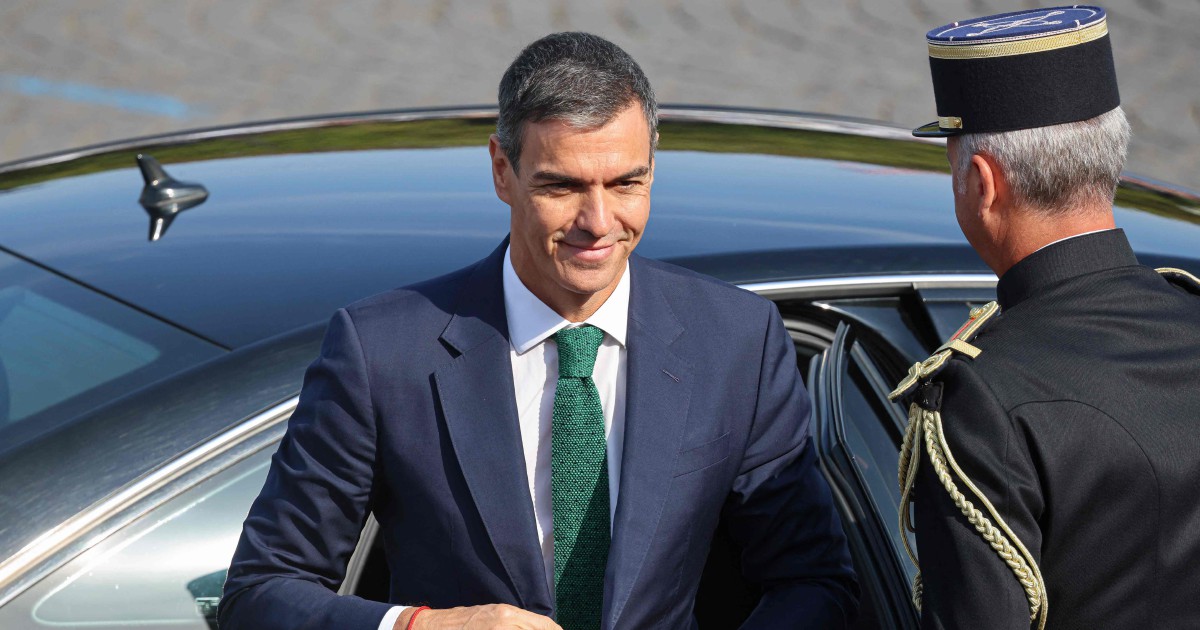
Spain's Prime Minister Pedro Sanchez has expressed strong backing for the national football team ahead of its World Cup final clash with Argentina on Sunday, emphasising the squad's distinctive collective strength at a time when his administration faces substantial domestic political headwinds. The political leader's public endorsement underscores how deeply football permeates Spanish national identity and the symbolic importance the country attaches to sporting achievement, particularly on the world's largest football stage.
Sanchez's remarks come during a challenging period for his government, which is navigating multiple corruption allegations affecting the administration's credibility and public standing. By directing attention toward the national team's accomplishments, the Prime Minister is tapping into one of few areas commanding genuine national consensus and positive sentiment across Spain's often fractious political landscape. The football team, by contrast, embodies qualities that transcend partisan divisions: discipline, professionalism, and collective purpose.
The Spanish squad's journey to the final represents a significant achievement that has energised the nation. Spain enters the match as one of Europe's traditional football powerhouses, with a history of success including a European Championship victory in 2012. The team's progression through the tournament has demonstrated tactical sophistication and resilience, qualities that Sanchez appears keen to highlight as emblematic of Spanish capabilities more broadly.
Argentina, led by the legendary Lionel Messi in what many observers believe will be his final World Cup appearance, presents formidable opposition. The South American nation brings its own storied football tradition and comes into the final as a serious contender with substantial momentum. The match itself promises to be a compelling encounter between two nations with deep football cultures and considerable tournament experience.
For Spanish football fans and supporters across Europe and beyond who follow La Roja, the final represents the culmination of months of investment, emotional engagement, and national pride. The team's distinctive playing philosophy, emphasising possession and passing precision, has become synonymous with modern Spanish football over the past decade and a half. Whether this particular squad can deliver the trophy that would cement their legacy remains the central question heading into Sunday's encounter.
Sanchez's public celebration of team unity carries particular resonance in the Spanish context, where regional tensions and political fragmentation have created genuine divisions within the nation. Football provides rare common ground where citizens from Catalonia, the Basque Country, Andalusia, and across Spain's diverse regions rally behind a single banner. The national team transcends these internal divisions in ways that political institutions currently struggle to achieve.
The Prime Minister's decision to publicly endorse the squad reflects an understanding that sporting success generates genuine national morale and social cohesion during periods of domestic difficulty. Major sporting events offer political leaders legitimate platforms to appeal for national unity and collective pride. For Sanchez, backing the team represents not merely ceremonial participation but a calculated effort to remind Spaniards of their nation's capabilities and achievements at a moment when negative headlines about governance have dominated domestic discourse.
Malaysian and Southeast Asian observers of this World Cup final should note the broader dynamics at play. Sports nationalism remains a powerful force capable of reshaping political narratives and public mood, particularly in democracies grappling with corruption allegations or political legitimacy questions. The ability of football to generate spontaneous national unity offers lessons about how traditional sports continue to command emotional investment and cultural significance even in highly polarised societies.
For regional football enthusiasts, the final also represents a clash between different football philosophies and continental traditions. European football's systematic, possession-based approach, exemplified by Spain's style, meets South American football's tradition of technical brilliance and individual flair embodied by Messi. The outcome will carry significance extending far beyond the immediate trophy, influencing perceptions of how modern football should be played and which approach delivers success at football's pinnacle.
The match also comes at a poignant moment in football history, with Messi likely pursuing what many consider his ultimate professional objective. His presence in the final adds narrative complexity beyond mere sporting competition, making the encounter culturally significant for Argentina beyond typical World Cup matches. Spain, conversely, seeks to reclaim world football's top honour and reinforce its status among the sport's elite nations.

