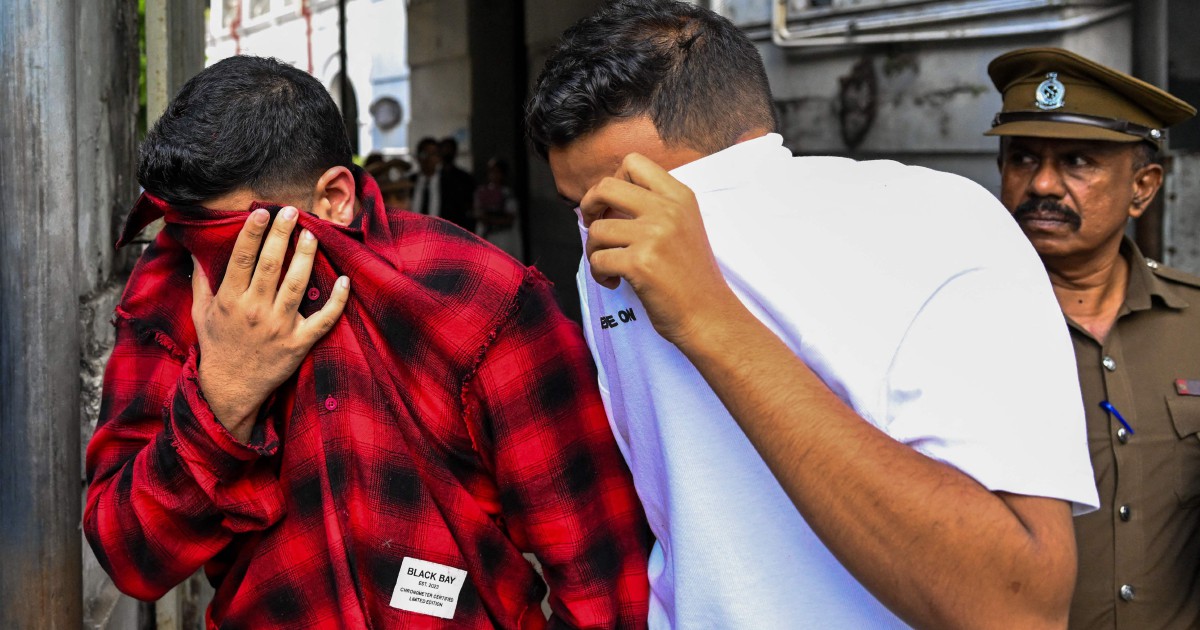
A judicial authority in Colombo has determined that an Indian businessman co-owning a Lanka Premier League franchise shall remain in detention on suspicion of orchestrating a match-fixing scheme involving attempted player bribery. The court's decision on Friday to extend custody until the conclusion of the month marks a significant development in what observers view as a troubling episode for Sri Lankan cricket administration and the reputation of the LPL, the nation's premier domestic Twenty20 competition.
The allegations centre on the accused's purported efforts to offer financial inducements to five cricketers in exchange for compromising their performance or match outcomes. Such schemes strike at the fundamental integrity of professional sport and have become a recurring concern across South Asian cricket in recent years. The specificity of the charges—targeting a identifiable group of players—suggests investigators have gathered preliminary evidence linking the co-owner to concrete corrupt proposals rather than general suspicions.
The Lanka Premier League, established as Sri Lanka's flagship short-format domestic tournament, has attracted investment from various international stakeholders seeking to capitalise on the growing commercial appeal of T20 cricket. Franchises have drawn ownership from India, the Middle East, and other regions, creating a diversified but sometimes complex governance structure. This latest incident raises fresh questions about due diligence procedures for team ownership and the effectiveness of integrity monitoring systems within the competition framework.
Match-fixing and attempted match-fixing have periodically surfaced as security challenges across cricket boards and leagues throughout the subcontinent. Sri Lanka's cricket authorities have implemented various safeguarding mechanisms, yet the persistence of such allegations suggests vulnerability remains, particularly when international capital and players converge in high-stakes domestic formats. The detention order signals judicial willingness to treat these matters with appropriate seriousness and pursue investigations thoroughly.
The involvement of a foreign co-owner may complicate jurisdictional and enforcement questions, particularly if the accused contests charges or seeks legal remedies through diplomatic channels. International cooperation between law enforcement agencies becomes crucial in such scenarios, especially given cricket's cross-border nature and the movement of players, money, and information across borders. Sri Lanka's investigators will likely need coordination with Indian authorities should additional evidence emerge or witnesses require identification abroad.
For players implicated or approached in such schemes, the episode underscores the ongoing pressure they face from external actors seeking to exploit their influence over match outcomes. Younger cricketers, particularly those not yet established in international teams, may face heightened vulnerability given financial motivations and limited earnings compared to their more prominent peers. Protective structures within cricket boards, player education programmes, and whistleblower mechanisms assume heightened importance in such contexts.
The detention decision also carries implications for other franchise owners and stakeholders within the LPL ecosystem. Enhanced scrutiny of ownership credentials, financial backgrounds, and conduct histories may now become standard practice. Insurance and regulatory frameworks governing the tournament may undergo revision to incorporate stronger integrity safeguards. Other South Asian leagues monitoring Sri Lanka's response may adopt or strengthen comparable oversight mechanisms.
Cricket's governance bodies, including the International Cricket Council and regional boards, have long identified match-fixing as a fundamental threat to the sport's credibility and commercial viability. Fans, broadcasters, sponsors, and investors base decisions on assumptions that contests are genuinely competitive and determined by athletic skill rather than predetermined outcomes. Any breach of this implicit contract undermines the sport's legitimacy and encourages cynicism about professional cricket generally.
The timing of the arrest and detention order comes as Sri Lankan cricket navigates broader institutional challenges, including disputes over board governance, player welfare provisions, and financial sustainability of domestic competitions. The LPL operates within this complex environment, seeking to establish itself as a premier regional T20 destination while competing with established leagues in India, Pakistan, and the Caribbean. Corruption allegations inevitably distract from efforts to build confidence among audiences and investors.
Legal proceedings will determine whether the accused bear culpability for the charges or whether evidence proves insufficient for conviction. The detained individual retains presumption of innocence unless proven guilty beyond reasonable doubt. However, the judicial decision to extend custody reflects judicial assessment that sufficient grounds exist to justify continued detention pending further investigation and potential trial proceedings.
For Malaysian cricket observers, this development carries relevance given the sport's growing profile regionally and the participation of Malaysian cricketers in various regional leagues and tournaments. Integrity issues affecting one country's competitive ecosystem inevitably create reputational consequences for the entire region, potentially affecting sponsorship flows, broadcasting rights valuations, and international cricket partnerships that Malaysian stakeholders depend upon.
The coming weeks will reveal whether additional arrests or charges follow as investigations progress. The extent of the alleged conspiracy, identities of approached players, and potential involvement of other individuals remain subjects for prosecutorial focus. Resolution of this case will substantially shape perceptions regarding the safety and trustworthiness of domestic T20 cricket in South Asia more broadly.

