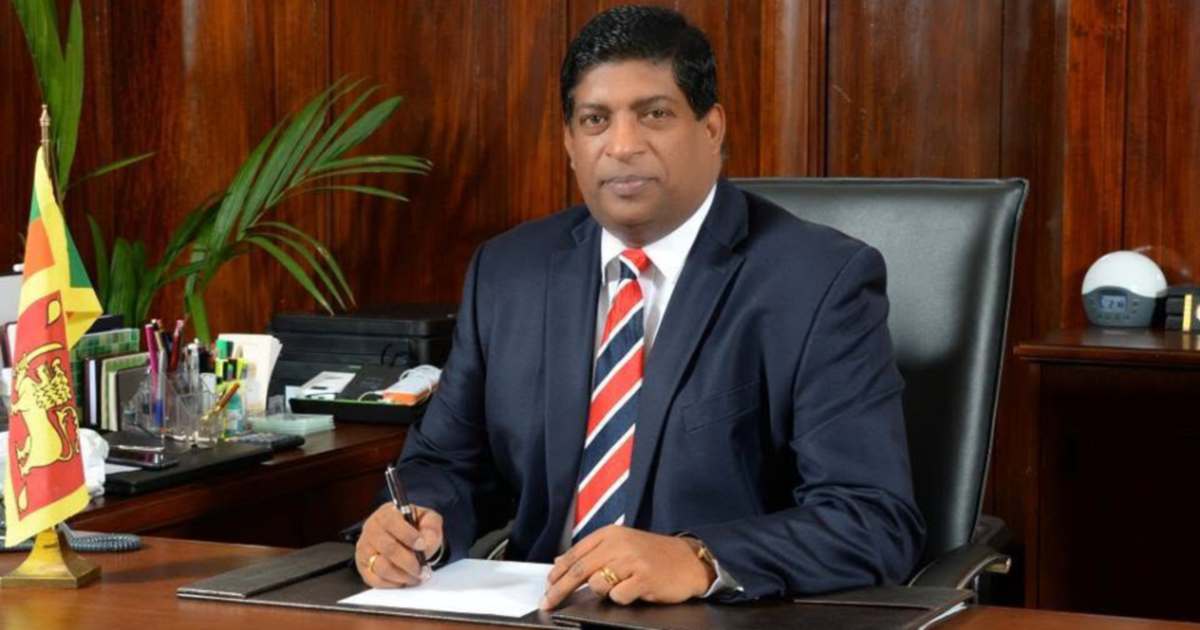
Sri Lanka's political establishment has been jolted by the arrest of Ravi Karunanayake, the country's former finance minister, on allegations that he systematically diverted state resources to meet personal payroll obligations. The move, executed by the nation's principal anti-corruption agency on Monday, represents a significant escalation in the government's crackdown on high-level financial misconduct and reflects broader concerns about accountability within the island's political hierarchy.
The charges against Karunanayake centre on a pattern of allegedly channelling public funds toward compensation for employees under his private employ, a practice that would constitute a flagrant violation of fiduciary duty and public trust. This type of misconduct strikes at the heart of governance standards, particularly given Karunanayake's stewardship of the finance portfolio, a position demanding the highest ethical standards and strict adherence to budgetary protocols.
The arrest arrives at a delicate moment for Sri Lanka, which has faced mounting international scrutiny over governance lapses and fiscal management in recent years. The broader Southeast Asian region has watched closely as nations grapple with institutional integrity and the rule of law. Malaysia and other neighbouring economies share common concerns about corruption and its corrosive effects on investor confidence and economic stability, making developments in Colombo relevant to regional observers.
Karunanayake's detention underscores the challenges that anti-corruption bodies across South Asia face in pursuing high-profile cases involving powerful political figures. The investigation demonstrates that no official, regardless of their former standing or political connections, remains entirely insulated from scrutiny. This sends a mixed but important signal about the willingness of state institutions to function independently, though questions often persist about whether such prosecutions are applied uniformly across the political spectrum.
The former finance minister's previous tenure placed him at the epicentre of significant policy decisions during a turbulent economic period. His role in managing state resources and overseeing public expenditure meant he wielded considerable authority over budget allocations. Allegations that he personally benefited from this position through irregular fund transfers represent a betrayal of the institutional framework designed to prevent exactly such abuses.
Finance ministry positions in developing democracies occupy a peculiar position of vulnerability. Officials in these roles typically command resources that make impropriety tempting, yet they also face heightened scrutiny from international bodies and domestic watchdogs. Karunanayake's arrest suggests that at least some institutional safeguards remain functional, though the investigation's trajectory will determine whether the process leads to meaningful accountability or eventually dissipates amid procedural delays.
For Malaysian observers, the case illustrates how anti-corruption mechanisms can theoretically operate across different political systems. Sri Lanka's ongoing institutional reforms, prompted partly by its severe economic crisis in 2022, have included strengthening oversight bodies. Whether these changes produce substantive behavioural shifts among political elites or become performative remains an open question mirrored in debates across Southeast Asia.
The broader context of state fund misappropriation in Sri Lanka cannot be separated from the country's recent fiscal catastrophe. The 2022 currency crisis and debt restructuring process exposed weaknesses in financial stewardship and governance that had accumulated over decades. External creditors and international institutions, including the International Monetary Fund, have made anti-corruption improvements a precondition for further assistance. In this sense, Karunanayake's arrest may partly reflect donor pressure as well as domestic accountability mechanisms.
The investigation raises questions about how deep institutional reforms will penetrate. Single arrests, however significant, rarely indicate systemic transformation. Whether the anti-corruption body will pursue other prominent figures with similar vigour, and whether political pressures will allow cases to proceed through trial without interference, remains to be established. These variables will significantly influence both domestic confidence in the process and regional perceptions of Sri Lanka's commitment to governance improvements.
For the region more broadly, the case represents a test case in how smaller democracies address elite corruption while navigating political polarization. Malaysia's own experience with high-profile prosecutions has demonstrated both the potential and pitfalls of pursuing such cases. Consistency, transparency, and institutional independence prove crucial to maintaining public trust and preventing corruption prosecutions from becoming tools of political vendetta.
Looking forward, Karunanayake's detention will require proper legal proceedings, documentary evidence, and sufficient procedural safeguards to produce outcomes that command broad legitimacy. The case will unfold against Sri Lanka's ongoing economic recovery efforts and its attempts to rebuild institutional credibility after the 2022 crisis. How authorities manage this prosecution will substantially influence both the country's trajectory and regional perceptions of governance standards in South Asia.

