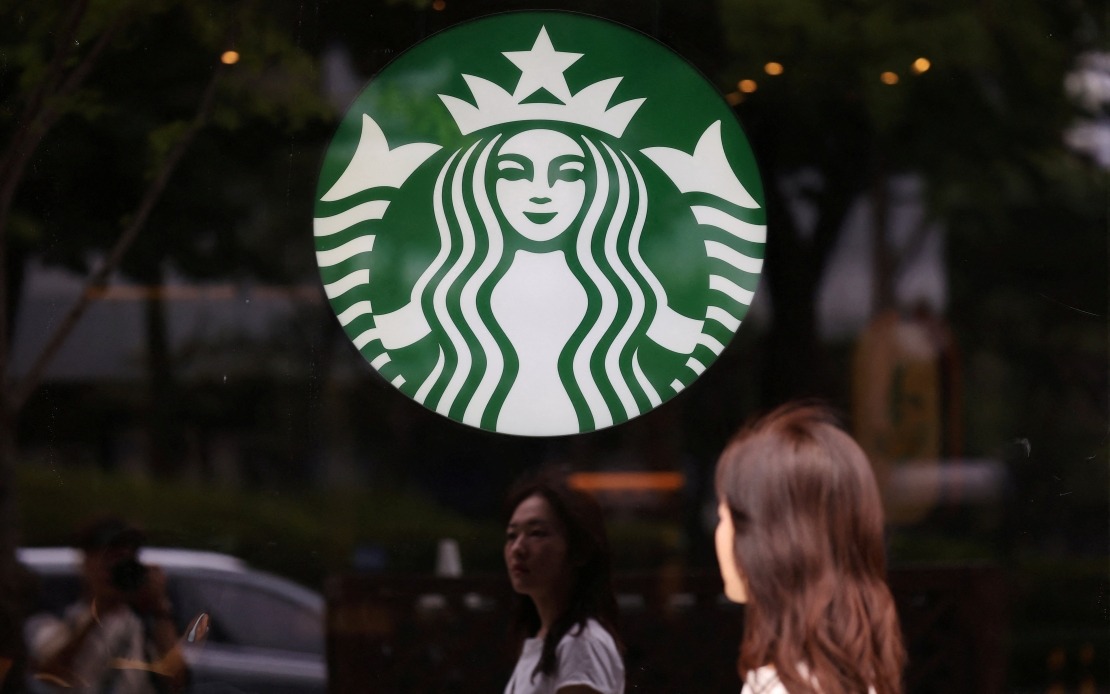
Starbucks made an extraordinary business decision on Monday, suspending service at all of its South Korean outlets—numbering over 2,000 locations—to conduct mandatory historical training for staff. The unprecedented closure was a direct response to a public relations catastrophe that has engulfed the coffee chain's Korean franchisee and raised urgent questions about corporate responsibility in a nation with deep historical wounds.
The underlying controversy centres on Shinsegae, the South Korean conglomerate that holds the exclusive licensing rights to operate Starbucks throughout Korea. Last month, the company launched a promotional campaign featuring a stainless steel thermos vessel branded as the "SS Tank" and declared May 18 as "Tank Day" to commemorate the product. What should have been a straightforward marketing initiative instead detonated into a national firestorm of public anger and demands for boycotts.
The sensitivity stems from the historical significance of May 18 in Korean collective memory. On that date in 1980, the authoritarian military regime then governing South Korea unleashed a brutal suppression campaign against pro-democracy protesters gathering in the southwestern city of Gwangju. Tanks and heavily armed military personnel were deployed against civilians demanding democratic reform, resulting in the deaths of several hundred people. The Gwangju Uprising, as it is known, remains a pivotal and painful chapter in South Korea's journey toward democratisation, symbolising the cost of resistance against autocratic rule.
The connection between Shinsegae's promotional campaign and this historical tragedy was immediately apparent to South Korean consumers and civil society. The use of the term "Tank" juxtaposed with the specific date of May 18 struck many as either grossly insensitive or deliberately provocative—an apparent trivialisation of mass suffering. The backlash was swift and severe, with social media campaigns calling for consumers to abandon the brand entirely. Within hours of launching the promotion, facing mounting public pressure and economic consequences, Shinsegae quietly withdrew the campaign.
A secondary controversy also attached itself to the promotional materials: the abbreviation "SS" adorning the thermos. While Shinsegae contended the letters simply represented "stainless steel," critics noted the abbreviation's dark historical association with the Schutzstaffel, Adolf Hitler's paramilitary organisation. Although this connection appeared to play a lesser role in the public outcry, it added another layer of international sensitivity to an already inflamed situation.
The controversy extended into the political sphere. Lee Jae Myung, a prominent South Korean political figure, expressed his personal fury via his X (formerly Twitter) account, stating that he felt outraged by what he characterised as inhumane conduct by business leaders who would permit such insensitive marketing. His public condemnation signalled that the matter transcended corporate embarrassment and had become a question of national dignity and respect for historical victims.
In damage control mode, Shinsegae issued formal apologies and undertook internal investigations into how such a campaign had been approved and launched. The company terminated the executive deemed responsible for the debacle, signalling to the public that accountability measures were being implemented. Following their inquiry, Shinsegae reiterated that the campaign was not intentionally designed to demean or dishonour the victims and survivors of the Gwangju democracy movement, characterising it instead as a tragic lapse in judgment rather than malicious intent.
Yet corporate statements and executive dismissals appeared insufficient to restore public confidence. Enter Monday's nationwide shutdown and mandatory history education programme. By closing all 2,000-plus locations and compelling employees to participate in structured learning about May 18 and the Gwangju Uprising, Starbucks Korea is attempting a more comprehensive rehabilitation effort. The move signals that the company recognises the depth of cultural and historical insensitivity underlying the campaign and is taking demonstrable steps to ensure similar oversights do not recur.
For multinational corporations operating across Asia, the Starbucks Korea incident offers a cautionary lesson about cultural awareness and historical literacy. South Korea and much of the region maintain complex relationships with their own histories—particularly around democratic struggles, military rule, and national trauma. Marketing campaigns that might seem innocuous in other markets require careful vetting for historical implications that could offend national sensibilities or appear to trivialise collective suffering.
Seoul police have also launched an official investigation into the circumstances surrounding the campaign, suggesting potential regulatory scrutiny beyond corporate self-regulation. This law enforcement involvement underscores the seriousness with which South Korean authorities view the matter and leaves open the possibility of legal consequences alongside commercial reputational damage.
The broader implication for international brands operating throughout Southeast Asia and the wider region is that heightened due diligence regarding historical context and cultural sensitivity is not merely good corporate ethics but sound business practice. A single misstep can trigger nationwide boycotts, political condemnation, and regulatory investigation. For Starbucks specifically, the mass closure and mandatory training programme represents an acknowledgment of failure and an attempt at institutional learning—though whether such measures will fully restore consumer trust remains uncertain.