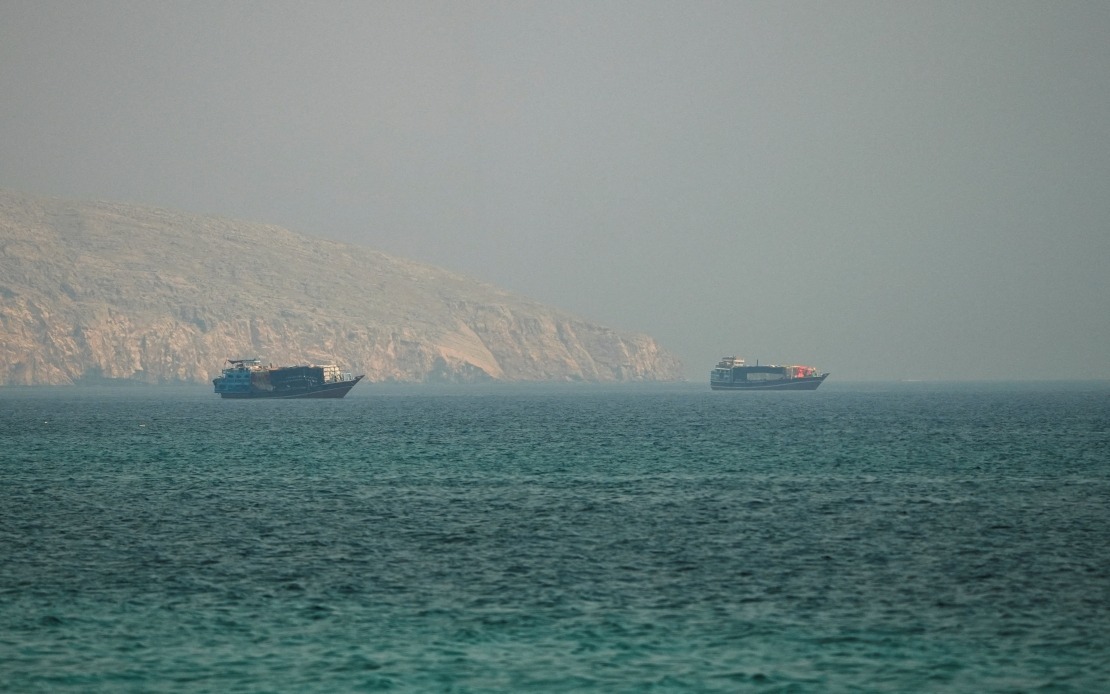
The Strait of Hormuz, one of the world's most critical maritime chokepoints, remains under heightened security alert following a series of attacks on commercial shipping. The UK Maritime Trade Operations (UKMTO) has maintained its threat assessment at "severe" levels, underscoring the volatile security environment affecting one of the globe's busiest waterways through which roughly one-third of all seaborne traded oil passes daily.
In guidance issued by UKMTO's Joint Maritime Information Centre, maritime authorities have reaffirmed that an expanded southern passage through the strategic waterway remains available for international shipping traffic despite recent incidents. The notice explicitly acknowledges the unprovoked nature of recent attacks while attempting to provide reassurance to the international maritime community that transit options have been improved. This distinction between acknowledging danger while maintaining operational routes reflects the delicate balance authorities must strike to keep global trade flowing through the Persian Gulf.
Vessels using the corridor face multiple operational challenges beyond typical maritime hazards. Mariners are advised to anticipate radio contact from naval forces operating in the region via very high frequency channels and to maintain heightened vigilance for declared mine-danger zones. These practical warnings illustrate how security concerns have become embedded into the standard operating procedures for commercial shipping, transforming routine transit into a carefully coordinated military engagement zone.
The immediate trigger for the current elevated alert stems from a documented pattern of attacks targeting merchant vessels transiting the waterway, which have intensified geopolitical tensions between Washington and Tehran. The United States has responded with targeted military operations against Iranian military installations and related infrastructure, framing these strikes as defensive measures intended to protect commercial shipping lanes and ensure freedom of navigation through international waters.
Iran's perspective on these developments diverges sharply from the American characterisation. Tehran maintains that vessels should coordinate with Iranian authorities before passage and insists on adherence to shipping routes designated by Iran itself, effectively asserting greater control over traffic through waters it considers within its sphere of influence. This position reflects broader Iranian assertions about maritime sovereignty in the Persian Gulf and its right to monitor and regulate passage through these strategically vital channels.
The escalatory cycle has involved Iranian drone operations targeting American military installations both within the Gulf region and in neighboring Jordan, demonstrating Iran's capacity to project power and maintain military pressure despite numerical disadvantages in conventional naval capabilities. These drone attacks signal Iranian determination to contest American military dominance in the region and maintain deterrent credibility against further American strikes.
International diplomatic efforts have attempted to interrupt this dangerous pattern. Last month, under Pakistani mediation, Iran and the United States negotiated a memorandum of understanding aimed at de-escalating military confrontation and establishing the foundation for a comprehensive peace agreement. The involvement of Pakistan as mediator reflects broader regional anxieties about the consequences of sustained US-Iran military conflict and the catastrophic implications an escalated confrontation could have for global energy security and regional stability.
However, the sustainability of these diplomatic initiatives remains deeply uncertain given the continuation of hostile military actions since the agreement was reached. The pattern of attack and counter-attack suggests that underlying disputes about maritime rights, regional influence, and nuclear issues remain fundamentally unresolved. The memorandum appears to have created only a thin diplomatic framework without addressing the core grievances and strategic calculations that drive both parties toward confrontation.
For Malaysia and the broader Southeast Asian region, developments in the Strait of Hormuz carry significant economic implications. The disruption or increased costs associated with transiting this waterway ultimately affect global energy prices, supply chain reliability, and maritime insurance rates affecting regional trade. Malaysian shipping companies operating in the Persian Gulf face heightened operational costs and insurance premiums, while the nation's energy security depends on stable supplies from Middle Eastern sources whose delivery remains contingent on safe passage through contested waters.
The expanded southern route acknowledged by UKMTO represents an attempt to provide alternative passage that distances shipping from potential Iranian interference or direct military confrontation. However, the existence of declared mine-danger zones and the requirement for naval coordination suggest that even the designated alternatives carry significant risks and operational complications. This underscores how maritime security crises transform neutral waterways into contested zones where commercial operators must navigate both physical hazards and geopolitical minefields.
The international maritime community faces a precarious situation where established protocols for freedom of navigation collide with regional actors' assertions of greater control over strategically vital waters. Without genuine resolution of the underlying US-Iran dispute, the severe threat assessment for the Strait of Hormuz appears likely to persist, creating sustained economic costs and risks for global shipping and the energy security of nations dependent on Gulf petroleum supplies.

