Malaysia's rapidly expanding elderly population faces a pressing health challenge that remains largely overlooked: the epidemic of fall-related injuries among older adults. Dr Adibah Ali, a consultant breast and endocrine surgeon who founded FitLab gymnasium in Kuching, is raising alarm about this preventable crisis, emphasizing that muscle-strengthening programmes offer a powerful yet underutilized solution. Her appeal comes as demographic data shows those aged 50 and above now comprise a significant growth segment, particularly across states like Sarawak, making the conversation around elderly wellness increasingly urgent for policymakers and health professionals across the region.
During her two decades working in hospital wards, Dr Adibah witnessed firsthand the devastating consequences of falls among senior citizens. Ward after ward filled with elderly patients recovering from fractures and other trauma resulting from preventable accidents, a pattern that convinced her to redirect her career toward preventive health. This clinical experience forms the backbone of her current advocacy: that society has systematically underestimated the protective value of targeted fitness interventions for the ageing demographic. Her observation reflects a broader Southeast Asian trend, where healthcare systems remain predominantly reactive rather than proactive, focusing on treating injuries after they occur rather than preventing them through lifestyle modification and structured exercise.
The science supporting her position is compelling. Muscle-strengthening exercises directly address the physiological vulnerabilities that make older adults susceptible to serious injury from falls. By building muscle mass and improving neuromuscular control, seniors enhance their ability to catch themselves, stabilize their balance, and recover from minor stumbles before they escalate into hospitalizing events. Beyond immediate injury prevention, these programmes support bone density maintenance, joint stability, and overall musculoskeletal integrity—factors that deteriorate significantly without deliberate intervention. For Malaysia's healthcare system, which faces increasing strain from an ageing population, such preventive measures represent not merely wellness advice but strategic healthcare economics.
Dr Adibah clarifies an important misconception: strength training for seniors need not resemble competitive bodybuilding or require intensive gymnasium culture. Rather, the objective centres on functional capacity—enabling elderly individuals to navigate stairs safely, carry groceries without assistance, rise from chairs independently, and maintain the physical autonomy that defines quality of life in later years. This distinction matters greatly for public health messaging in Malaysia, where cultural attitudes toward fitness among older adults often remain conservative. By reframing strength training as a practical tool for independence rather than an aesthetic pursuit, advocates like Dr Adibah make the proposition more culturally resonant and accessible to the populations most in need.
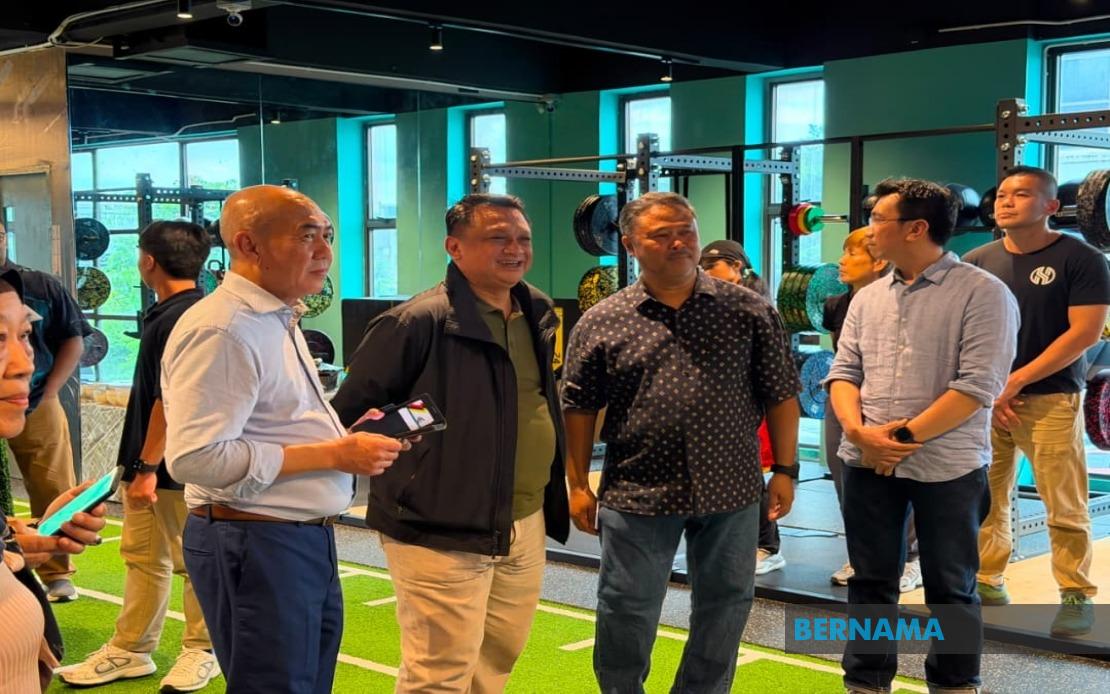
The awareness gap persists despite obvious demographic imperatives. Sarawak Deputy Minister of Youth, Sports and Entrepreneur Development Datuk Gerald Rentap Jabu acknowledged during a recent royal visit to FitLab that efforts to mobilize older adults toward active lifestyles remain insufficient relative to their growing numbers. His comments underscore a strategic failure: while Malaysia has invested substantially in youth sports infrastructure, comparable commitment to geriatric wellness programming remains fragmented and underfunded. This imbalance leaves millions of older Malaysians without accessible pathways to age-appropriate fitness activities, essentially ceding responsibility for their health maintenance to individual initiative rather than systemic support.
Recognizing these gaps, Dr Adibah has begun developing specialized fitness classes tailored specifically for elderly participants at FitLab. This localized initiative, however, requires scaling and institutional backing to achieve meaningful population-level impact. Collaboration with Pusat Aktiviti Warga Emas (PAWE), the government body responsible for senior citizen engagement programmes, represents a logical partnership pathway. Such alignment could transform PAWE from primarily recreational and social functions toward integrated health promotion, combining physical fitness with cognitive stimulation—chess and similar mentally engaging activities—to comprehensively support elderly wellbeing.
The timing of this advocacy aligns with deliberate state-level policy interest. Datuk Gerald Rentap's emphasis on coordinating between PAWE and fitness facilities indicates emerging recognition at administrative levels that elderly health represents a policy priority requiring cross-sectoral collaboration. This shift, while nascent, reflects adaptive governance responding to demographic realities that can no longer be ignored. For Malaysia to avoid the cascading healthcare crises many developed nations now face—overwhelmed orthopedic and trauma services, chronic complications from preventable fractures, premature functional decline—the window for establishing preventive infrastructure remains open but narrowing.
The recent royal visit to FitLab by the Raja Muda of Perlis, Tuanku Syed Faizuddin Putra Jamalullail, and his family carries symbolic significance beyond ceremonial protocol. High-profile endorsement of elderly wellness initiatives lends legitimacy and potential resource-mobilization capacity to what remains an underfunded advocacy space. Such visibility can catalyze broader private sector participation in geriatric health promotion, encouraging gymnasium operators beyond FitLab to develop similar programmes, while signaling to government stakeholders that elderly welfare warrants elevated priority status.
For Malaysia specifically, where retirement income security remains problematic for many seniors and where intergenerational family structures are undergoing rapid transformation due to urbanization, maintaining physical independence through strength training offers more than health benefits—it provides economic security and social dignity. An elderly person who can navigate stairs independently, carry household items safely, and maintain balance requires fewer interventions, fewer hospitalizations, and fewer long-term care placements. These individual benefits aggregate into substantial healthcare savings and improved quality of life across entire communities.
Moving forward, several strategic opportunities merit attention from policymakers and health professionals. First, integrating geriatric strength training curricula into existing primary care frameworks would enable general practitioners to prescribe and monitor age-appropriate exercises systematically. Second, establishing subsidy mechanisms or tax incentives for seniors participating in formal fitness programmes would address affordability barriers. Third, training specialized fitness instructors in gerontological exercise science would ensure safety and efficacy across the growing network of facilities serving elderly participants. Fourth, embedding strength training promotion into national health communications campaigns would gradually normalize physical activity among older populations where sedentary lifestyles currently predominate.
The conversation initiated by Dr Adibah represents a crucial inflection point for Malaysian healthcare policy. As the nation's elderly population swells from current levels toward projections exceeding 15 percent within the coming decade, the infrastructure and cultural frameworks supporting active ageing will determine whether this demographic transition strengthens or strains societal resilience. Strength training—simple, evidence-based, and immediately implementable—offers a practical lever for steering this trajectory toward healthier, more independent, and more economically sustainable outcomes for millions of older Malaysians.

