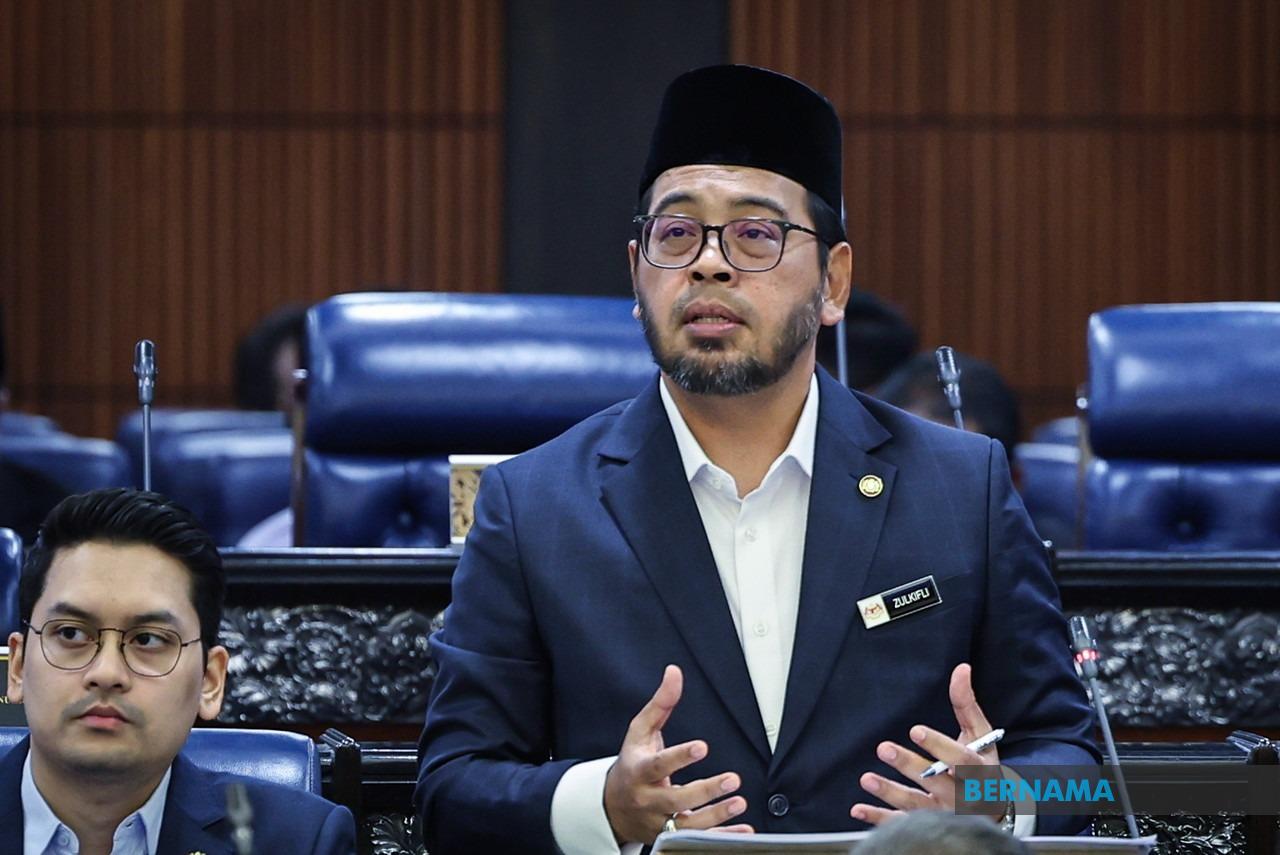
The Malaysian government is moving to overhaul financial reporting requirements for Tabung Haji through amendments to the TH Act 1995, addressing concerns raised by a Royal Commission of Inquiry that examined the pilgrim fund's management between 2014 and 2020. The proposed legislative changes will introduce more explicit legal language around accounting standards and establish consequences for organisations that misrepresent their financial position, according to Dr Zulkifli Hasan, Minister in the Prime Minister's Department (Religious Affairs), who outlined the government's response during a special parliamentary sitting.
The RCI investigation, whose 211-page report became public on 29 July, uncovered governance shortcomings and operational weaknesses within one of Southeast Asia's largest Islamic financial institutions. Rather than waiting for legislative procedures to unfold gradually, the government decided to release the full findings immediately, signalling its commitment to transparency and permitting lawmakers to scrutinise the inquiry's conclusions directly. This approach represented a departure from previous practice and underscored the seriousness with which policymakers viewed the commission's recommendations.
Among the most significant proposed changes is the introduction of Securities Commission (SC) oversight of Tabung Haji's fund management and investment activities. A task force, chaired by the TH chairman and including representatives from Bank Negara Malaysia and the Securities Commission, has already agreed on this restructuring. Under the new arrangement, the SC will supervise how Tabung Haji invests and manages the billions of ringgit entrusted to it by Malaysian pilgrims, while the Minister in the Prime Minister's Department will retain responsibility for haj operations themselves. Critically, Tabung Haji will continue operating as a single, unified entity rather than being split into separate divisions, a decision that preserves institutional cohesion while distributing oversight responsibilities according to expertise.
The amended legislation will address excessive executive compensation, which the RCI identified as problematic. Tabung Haji has since adopted a more disciplined approach to staff bonuses, tying them to overall institutional financial performance and measurable key performance indicators rather than awarding them automatically or excessively. Both the religious affairs and finance ministers must now approve bonus payments, creating a secondary layer of scrutiny. This reform responds directly to concerns that previous remuneration practices were disconnected from organisational outcomes and contributed to misaligned incentives within management.
Financial transparency will be substantially enhanced through requirements that Tabung Haji announce profit distribution rates based solely on audited annual financial statements, a practice the organisation has followed since 2022. Previously, the timing and methodology of such announcements lacked clarity, creating uncertainty for the millions of Malaysians who depend on Tabung Haji for their savings and haj preparations. The RCI emphasised the need for clearer provisions governing how profits are calculated and distributed, and the new legislative framework will embed these principles into statutory requirements rather than leaving them to administrative discretion.
Accounting standards compliance has been strengthened considerably. Tabung Haji's financial statements have aligned fully with relevant accounting standards since 2018, demonstrating that the organisation has already begun implementing some reforms ahead of formal legislative mandates. The proposed amendments will crystallise these practices in law, making compliance non-negotiable and subject to enforcement mechanisms. This move brings Tabung Haji's standards into line with international best practices and enhances comparability with other major financial institutions globally.
Board governance will undergo substantial reform through the amended act. The new provisions will establish specific eligibility criteria for board members and mandate that appointments follow expertise-based selection procedures rather than relying on patronage or political affiliation. The RCI specifically recommended prohibiting active politicians from serving as chairman or board members, a safeguard intended to reduce political interference in investment decisions and strategic planning. Tabung Haji now applies "fit and proper" criteria aligned with Bank Negara Malaysia's framework when appointing leadership, ensuring that technical competence and integrity take precedence over other considerations.
For Malaysian Muslim communities, these changes carry substantial implications. Tabung Haji serves not merely as a financial institution but as a crucial savings vehicle and pilgrimage facilitator, managing contributions from workers across the country who aspire to undertake the haj. The RCI's investigation revealed governance failures that could have jeopardised the security of these savings and the reliability of haj arrangements. By strengthening regulatory oversight and embedding transparency requirements into statute, the amendments seek to restore confidence among millions of account holders who depend on Tabung Haji's sound management.
The broader Southeast Asian context matters as well. Malaysia's move to tighten oversight of a major Islamic financial institution demonstrates regional commitment to robust governance standards within the Islamic finance sector. As other countries in the region develop similar institutions or strengthen existing ones, Malaysia's legislative approach may serve as a model for balancing religious and cultural considerations with modern financial regulation. The involvement of the Securities Commission in supervising investment activities particularly reflects international standards that are becoming expected across the Muslim-majority world.
Dr Zulkifli emphasised that Malaysia possesses sufficient talented, honest technocrats and integrity-driven individuals capable of leading Tabung Haji effectively without requiring politically connected appointees. This statement, while seemingly bureaucratic, signals a policy reorientation toward meritocracy in public Islamic institutions. The assertion that Tabung Haji now stands on solid footing regarding haj management, investments, finances and overall operations suggests that implementation of earlier reforms has already begun yielding results.
The special parliamentary sitting permitted MPs to examine and debate the RCI report directly, with Finance Minister II Datuk Seri Amir Hamzah Azizan and Dr Zulkifli scheduled to conclude proceedings. This legislative platform provides accountability beyond the executive branch and allows elected representatives to pursue detailed questioning about specific findings and proposed remedies. The public release of the full report, combined with parliamentary debate, represents a significant moment in Malaysian governance, where a major inquiry into institutional failure results in transparent legislative response rather than quiet administrative adjustment.
Implementing these amendments will require careful coordination among multiple agencies with different regulatory mandates and expertise. The task force structure already established demonstrates recognition that strengthening Tabung Haji requires collaboration between religious affairs authorities, central banking regulators, and capital markets supervisors. Successfully embedding this multi-agency approach into permanent legislative form will test Malaysia's capacity to coordinate across government silos, a challenge that other developing economies continue facing as they attempt to strengthen financial sector regulation.

