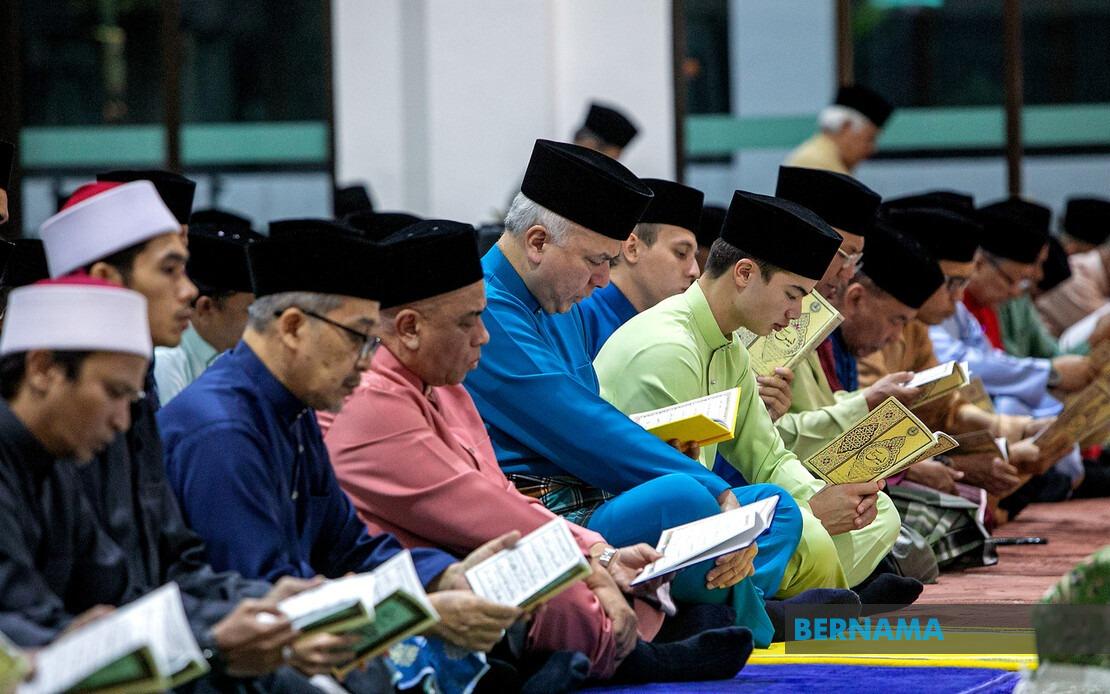
Sultan Nazrin Shah, the Sultan of Perak, presided over spiritual observances marking the nation's National Day at Masjid Imam As Syafie in Ipoh on Friday evening, combining ceremonial duties with religious devotion in a symbolic gesture that underscored the monarchy's role in both civic and faith-based national occasions. The gathering brought together prominent state figures including Menteri Besar Datuk Seri Saarani Mohamad and Tan Sri Mohd Annuar Zaini, president of the state Islamic Religious and Malay Customs Council, alongside approximately 1,000 congregants who participated in the evening's religious ceremonies.
The centrepiece of the event was the official opening of the mosque itself, a facility that represents a significant investment in Islamic infrastructure for the state. Completed in the preceding year at a cost of RM8.7 million, the mosque was designed to accommodate roughly 1,600 worshippers simultaneously, addressing capacity needs within Ipoh's Muslim community. The construction reflects broader efforts across Malaysian states to expand religious facilities that serve growing populations and provide modern amenities for Islamic practice.
Sultan Nazrin performed the formal inauguration through a traditional ceremonial act, drawing back a curtain that covered the commemorative plaque marking the mosque's official opening. This symbolic gesture, while simple in execution, carries significant meaning within Malaysian royal protocol and Islamic tradition, signifying the monarch's blessing and formal recognition of the facility's completion. Following the official unveiling, His Royal Highness participated in the doa selamat, a supplication ceremony seeking divine protection and blessing, demonstrating the Sultan's active engagement rather than mere ceremonial presence.
The evening's religious programme included a Yasin recitation, a devotional reading of the 36th chapter of the Quran that holds particular spiritual significance in Malaysian Islamic practice. Led by Masjid As Syafie Imam II Muhammad Luqmaan Mohd Helmi, the recitation created an atmosphere of communal worship, with the Sultan's participation lending the occasion elevated ceremonial status. This was followed by tahlil, rhythmic expressions of Islamic faith, which continued the spiritual focus of the gathering.
The incorporation of these religious observances into the National Day celebration reflects how Malaysia's constitutional framework integrates Islam and monarchy, weaving together national identity with religious practice at the state level. For Perak specifically, such occasions demonstrate how the sultanate maintains its traditional custodial role over Islam within the state while fulfilling modern ceremonial functions. The convergence of national patriotic observance with Islamic devotional practice represents a distinctly Malaysian approach to civic celebration.
Sultan Nazrin concluded his participation by joining the congregational Isyak prayer, the evening prayer in the Islamic calendar, indicating his full involvement in the religious ceremony from beginning to end. Rather than departing after the formal opening, the Sultan's decision to remain and participate in the complete prayer cycle communicated respect for the religious occasion and solidarity with the worshipping community. This extended engagement, while perhaps expected of a state ruler, still carries symbolic weight in demonstrating the monarchy's commitment to Islamic observance.
The gathering's attendance figure of approximately 1,000 congregants reflects the mosque's significance as a focal point for Ipoh's Muslim community and the drawing power of a royal occasion. State officials' presence alongside religious leaders created a collaborative picture of governance in Perak, with both civil and religious hierarchies represented in the proceedings. The event thus served as a demonstration of administrative cohesion at the state level, bringing together different branches of governance in common purpose.
For Malaysian readers across the region, such occasions illustrate the enduring importance of royal ceremonial functions in the country's Islamic and civic life, particularly at the state level where sultanates maintain more direct connection with their subjects. The investment in new mosque infrastructure, meanwhile, reflects the ongoing expansion of religious facilities throughout Malaysia, addressing both population growth and the desire to modernise Islamic institutions. The RM8.7 million expenditure on Masjid Imam As Syafie represents substantial state commitment to religious infrastructure, a pattern replicated across peninsular states as administrations prioritise the development of mosques and prayer facilities.
The event also underscores the role Malaysian state rulers play in balancing traditional Islamic custodianship with contemporary civic leadership. Sultan Nazrin's active participation in religious ceremonies maintains historical precedent while adapting to modern expectations of visible, engaged leadership. For Perak and neighbouring states, such demonstrations of royal-religious integration help reinforce social cohesion and legitimacy of governance structures that combine constitutional monarchy with Islamic principles.
Looking at broader patterns across Southeast Asia, Malaysia's integration of religious observance into national celebrations distinguishes it from some neighbouring countries and reflects the constitutional position Islam holds within Malaysian federation. State-level events like Perak's National Day observance demonstrate how religious and civic identities reinforce rather than conflict with one another in the Malaysian context, a distinctive feature of governance that shapes social and political life throughout the region.

