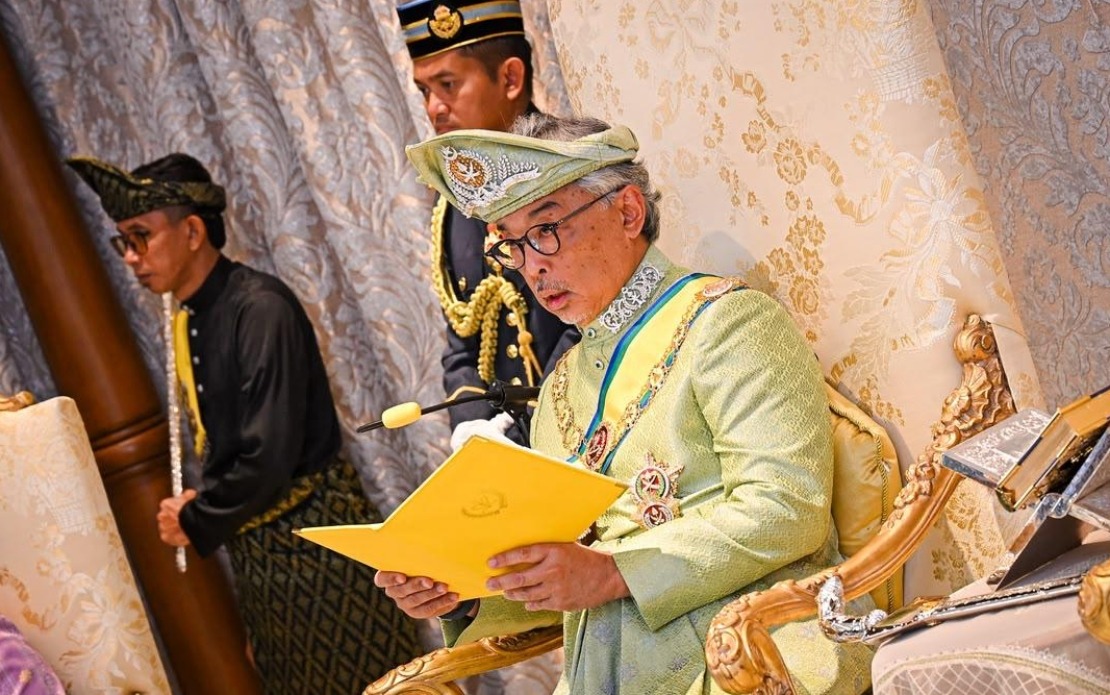
The Sultan of Pahang, Al-Sultan Abdullah Ri'ayatuddin Al-Mustafa Billah Shah, has issued a stark warning to young Malaysians about the perils of illegal street racing, describing the practice as both morally corrupt and increasingly prevalent on the nation's highways and urban roads. Speaking at an investiture ceremony held in Kuantan to mark his 67th birthday celebration, the Ruler expressed deep concern over a cultural phenomenon that continues to claim lives and leave grieving families in its wake, despite mounting public safety campaigns and legal consequences.
During the formal event attended by the Tengku Ampuan of Pahang, Tunku Azizah Aminah Maimunah Iskandariah, and the Tengku Mahkota of Pahang, Tengku Hassanal Ibrahim Alam Shah, Al-Sultan Abdullah painted a sobering picture of how street racing has transformed from a fringe activity into a social media spectacle. The Ruler lamented that participants view public roads as platforms for demonstrating bravado, with engine noise celebrated as emblematic of courage rather than condemned as reckless endangerment. He emphasised that what begins as a bid for social media validation frequently culminates in tragedy, with viral videos of dangerous stunts giving way to funeral processions and the permanent loss of young lives.
The Sultan's intervention on this issue reflects growing frustration within Malaysia's institutional leadership over the apparent disconnect between legal prohibitions and behavioural reality. Street racing remains a significant contributor to road fatalities nationwide, particularly among younger drivers who view the activity through the romanticised lens of internet culture. By positioning the issue as both a safety concern and a moral failing, Al-Sultan Abdullah sought to appeal to the emotional reasoning of young people, reminding them that families await their safe return home, and that the temporary thrill of illegal racing cannot justify the permanent devastation it inflicts on loved ones left behind.
Critically, the Ruler highlighted how social media amplification has transformed street racing into a performative act rather than merely a dangerous habit. Young racers gain followers, likes, and comments for their exploits, creating perverse incentives that encourage escalation and increasingly reckless behaviour. This observation resonates across Southeast Asia, where social media-driven youth culture has frequently outpaced regulatory responses, allowing dangerous trends to proliferate faster than authorities can contain them. The Sultan's recognition of this dynamic suggests that addressing street racing requires not merely enforcement but cultural intervention and a fundamental shift in how such content is presented and celebrated online.
Beyond traffic safety, Al-Sultan Abdullah used the occasion to address what he characterised as an equally pressing concern: the growing presence of undocumented foreign nationals, particularly Rohingya refugees, establishing illegal settlements within Pahang. The Ruler took a forceful stance, directing state authorities to demolish unauthorised structures built on government land and occupied by such groups. This represents a significant hardline position that will likely reverberate across Malaysia's political landscape, particularly among constituencies concerned about strain on public services and social cohesion.
The Sultan's directive to dismantle illegal settlements underscores mounting tensions between humanitarian considerations and state sovereignty concerns. Pahang, as a relatively less urbanised state with significant rural and agricultural areas, has reportedly become a focal point for undocumented settlements in recent years. By authorising demolitions, Al-Sultan Abdullah signals that tolerance for informal settlement has reached its limits, a message that carries considerable weight given the royal institution's moral authority within Malaysia's constitutional framework.
Crucially, Al-Sultan Abdullah expanded his immigration critique to encompass broader federal-level policy, calling upon the national government to strengthen maritime border controls and tighten entry procedures at official crossing points. The Ruler articulated a preventative philosophy, arguing that intercepting irregular migrants at borders proves far more cost-effective and humane than addressing the cascading problems that emerge once settlements become entrenched. This framing appeals to fiscal conservatism while avoiding the perception of callousness toward vulnerable populations.
The Sultan's emphasis on preventative border enforcement rather than post-hoc settlement demolition reveals sophisticated thinking about immigration management. By focusing national attention on tightening entry mechanisms, he implicitly acknowledges that Malaysia's porous borders and insufficient coastal surveillance enable the initial influx. Rohingya refugees, stateless and persecuted in Myanmar, represent a humanitarian crisis that Malaysia has grappled with for years, but the Sultan's position reflects growing impatience with the scale of undocumented presence and its social consequences.
From a Malaysian perspective, the Sultan's dual focus on street racing and immigration control reflects two distinct but interconnected anxieties about youth behaviour and national security. Both issues involve young people making choices that risk their lives or the nation's stability. Street racing kills, while undocumented migration strains resources and creates parallel informal economies. By addressing both in a single public address, Al-Sultan Abdullah framed them as aspects of a broader breakdown in discipline and respect for law—cultural maladies requiring both enforcement and moral reorientation.
The call for expedited repatriation of undocumented immigrants and firm action against human smuggling networks signals that Pahang's leadership views the current situation as unsustainable. The state government will likely implement more aggressive enforcement operations, setting a precedent that other Malaysian states may follow. This could create tension between federal immigration authorities and state-level officials, particularly if coordination mechanisms prove inadequate. For Southeast Asia, where Rohingya displacement remains a transnational crisis, Malaysia's increasingly restrictive posture may prompt other regional governments to recalibrate their own policies.
The Sultan's intervention on both street racing and immigration illuminates how royal institutions in Malaysia continue to shape public discourse and policy direction, even on issues nominally within federal or civil administrative purview. His willingness to speak directly to social problems, coupled with his authority to direct state officials, creates pressure on both state and federal governments to demonstrate responsive action. That both issues received royal attention suggests that institutional patience with the status quo has worn thin.
Looking forward, the Sultan's comments will likely drive stricter enforcement of traffic laws and immigration regulations within Pahang, while also signalling to other Malaysian states that similar hardline approaches enjoy institutional approval. For young Malaysians, the message is unambiguous: street racing endangers not only their own lives but the public safety and national reputation. For policy makers grappling with irregular migration, the royal directive emphasises that preventative border security must receive far greater investment and priority than managing settlements after they have been established.

