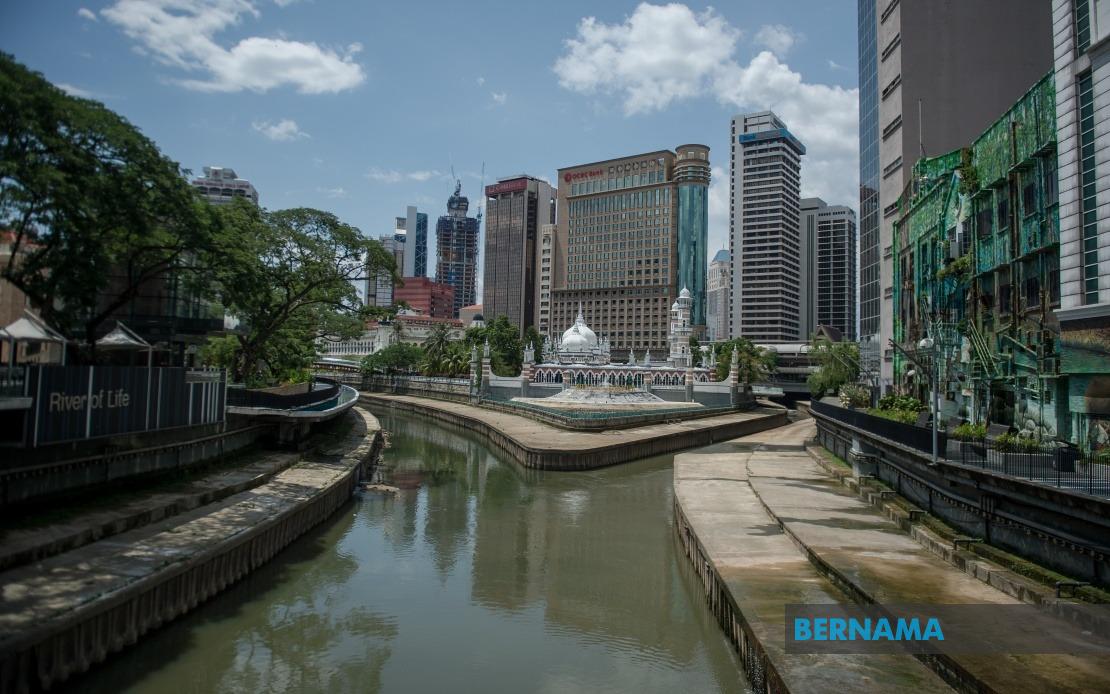
The capacity of Sungai Klang has undergone a dramatic transformation, expanding to 22 per cent from less than five per cent previously, according to officials overseeing a comprehensive river improvement scheme. This substantial enhancement is expected to meaningfully reduce the risk of river overflow and associated flooding in vulnerable zones throughout Selangor, particularly in neighbourhoods like Taman Sri Muda that have historically borne the brunt of water-related disasters.
The achievement represents significant progress on a 56-kilometre river widening and deepening initiative that is currently at the 68 per cent completion stage. Syaiful Azmen Nordin, managing director of Landasan Lumayan Sdn Bhd (LLSB), unveiled the developments at a media briefing held at the Sultan Salahuddin Abdul Aziz Shah Building in Shah Alam, providing detailed insights into the engineering works that have reshaped the riverine landscape.
Central to this transformation has been an intensive dredging programme that commenced in 2017. Over the intervening years, approximately 1.2 million cubic metres of accumulated sediment and silt have been extracted from the riverbed and surrounding channels. This systematic removal of material has allowed engineers to widen the river's cross-section substantially and deepen its bed, thereby increasing the overall volume of water the system can safely accommodate during periods of heavy rainfall and seasonal overflow.
Beyond the raw engineering figures, these improvements have registered tangible benefits in communities that endured severe inundation in 2021, when widespread flooding devastated portions of Selangor and neighbouring states. The dredging operations targeting critical areas have demonstrably lowered the probability of catastrophic river overflow in these neighbourhoods. However, Syaiful Azmen was careful to distinguish between different flood mechanisms, noting that recent flooding incidents in the state have stemmed primarily from inadequate internal drainage infrastructure rather than Sungai Klang bursting its banks—a distinction that underscores the complexity of urban water management in densely populated areas.
The current phase of work is scheduled for completion by the end of next year, with the Federal government separately undertaking improvements to the stretch extending from Shah Alam to Mid Valley. When all dredging operations conclude, the river's capacity is projected to reach 40 per cent—double the current figure and eight times its baseline level before the project commenced. This trajectory demonstrates the cumulative impact of sustained, large-scale infrastructure investment.
Parallel to the dredging operations, a continuous river-cleaning initiative has been running since 2017, addressing the substantial problem of waste accumulation that impedes water flow and exacerbates flooding risks. This programme has extracted more than 98,000 tonnes of rubbish from the waterway at an investment of RM19.6 million. The scale of this cleanup effort reflects the severity of pollution challenges facing urban waterways across Southeast Asia, where rapid urbanisation and insufficient waste management often overwhelm natural drainage systems.
The results of these cleaning efforts have been measurable. The amount of waste entering the river annually has plummeted from 16,000 tonnes to between 5,000 and 6,000 tonnes, representing a decline of roughly two-thirds. Accompanying public awareness campaigns have encouraged citizens and businesses to reduce their contributions to riverine pollution. These behavioural shifts, though incremental, represent an important cultural shift toward environmental stewardship and sustainable urban living.
Water quality indicators have similarly shown improvement. The classification of Sungai Klang's water has moved from Class 5—the lowest standard indicating heavily polluted conditions—to Class 3 and 4 ratings, reflecting enhanced ecological health. This progression, while still leaving room for further improvement, demonstrates that coordinated infrastructure investment and environmental management can reverse the degradation of urban waterways within a reasonable timeframe. For Malaysian readers increasingly concerned about environmental sustainability and public health, such metrics offer some reassurance that government agencies are making meaningful headway on longstanding pollution problems.
The Sungai Klang project carries broader significance for Malaysia and the Southeast Asian region, where climate variability and intense monsoonal rainfall patterns pose recurring flood threats to major urban centres. As Malaysian cities expand and face intensifying weather events linked to climate change, the capacity of drainage and riverine infrastructure becomes critical to public safety and economic stability. The Sungai Klang improvements exemplify a proactive approach to water management that combines structural engineering solutions with environmental restoration and community engagement.
Looking ahead, the trajectory for the river remains positive, though the distinction Syaiful Azmen drew between river overflow and internal drainage failures suggests that Sungai Klang's expanded capacity alone will not resolve all flooding challenges. Comprehensive urban water management requires attention to multiple systems—adequate stormwater drainage networks, proper land-use planning, and maintained maintenance regimes for secondary waterways. The Sungai Klang project thus represents one crucial component of a larger, more complex challenge facing Selangor and other major Malaysian urban areas as they seek to balance growth with resilience against natural hazards.

