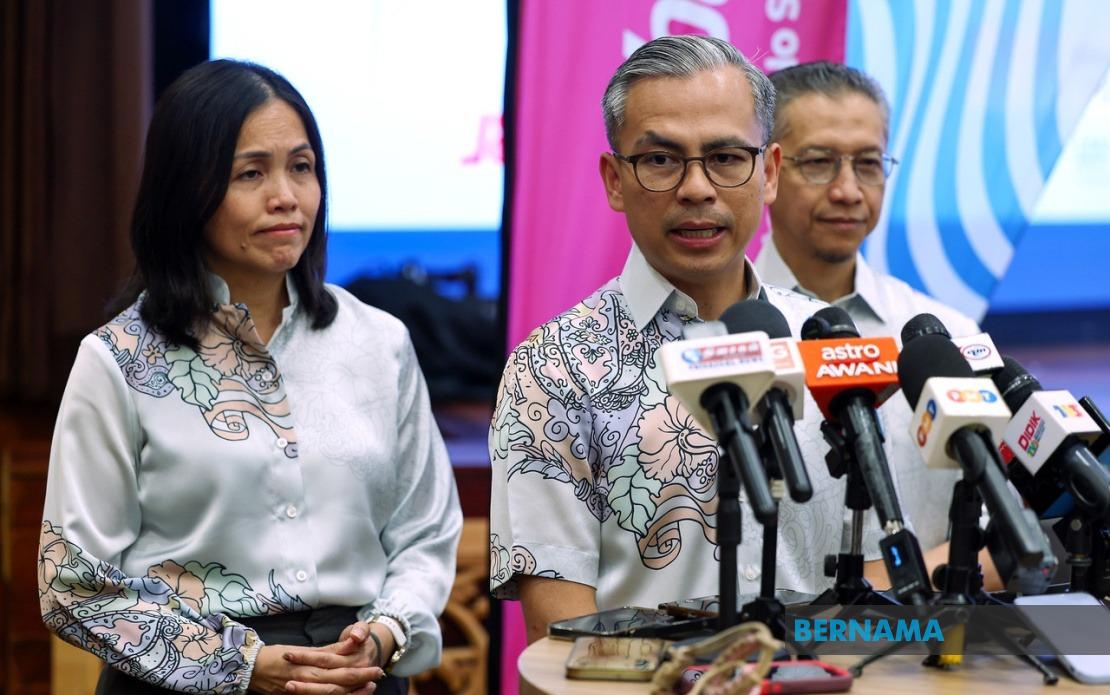
The Royal Commission of Inquiry report into the governance and operations of Lembaga Tabung Haji has entered a new phase, with Communications Minister Datuk Seri Fahmi Fadzil confirming that multiple government agencies will now conduct full investigations based on the commission's findings and recommendations. The coordinated approach signals the government's commitment to pursuing accountability in what the RCI identified as significant institutional weaknesses during the 2014-2020 period.
Fahmi outlined the scope of the inter-agency investigation in comments delivered following an event at Putrajaya. The Royal Malaysia Police, the Malaysian Anti-Corruption Commission, authorities administering the Anti-Money Laundering, Anti-Terrorism Financing and Proceeds of Unlawful Activities Act, Bank Negara Malaysia, and the Inland Revenue Board will all receive the report and supporting documentation. This distribution reflects the multifaceted nature of the governance failures that the RCI uncovered, spanning financial management, regulatory compliance, and potential misconduct.
The handover process follows a special parliamentary sitting held on August 11, during which Finance Minister II Datuk Seri Amir Hamzah Azizan and Minister in the Prime Minister's Department (Religious Affairs) Dr Zulkifli Hasan presented ministerial briefings. The session allowed lawmakers from both government and opposition benches to examine the RCI's conclusions. According to Fahmi, the investigation directives encompass not only the formally published report but also supplementary information disclosed during parliamentary proceedings, creating a comprehensive investigative foundation for the authorities.
The RCI's work, made public on 29 July, documented operational and administrative deficiencies spanning seven years. The commission formulated 25 recommendations intended to strengthen institutional governance. By 30 July, Tabung Haji had already implemented three-quarters of these recommendations, demonstrating organizational responsiveness to the identified shortcomings. The pace of implementation reflects management's engagement with the reform process, though the enforcement agencies' investigations may reveal whether systemic problems extend beyond operational procedures into potential legal violations.
The political landscape surrounding the report's handling has proven complex. Multiple lawmakers from both the Barisan Nasional coalition and Pakatan Harapan have called for establishment of a fresh RCI examining the 2021-2025 period, arguing that institutional problems may have persisted or emerged following the initial commission's mandate. Fahmi indicated that any such decision would require Cabinet approval and the consent of the Yang di-Pertuan Agong, acknowledging the constitutional and governmental protocols governing such inquiries. The question of whether a subsequent investigation is warranted remains under consideration.
Part Pribumi Bersatu Malaysia, a key component of the government coalition, earned ministerial commendation for its parliamentary participation in the TH debate, with Fahmi characterizing their attendance as demonstrating political maturity and substantive engagement. This contrasted sharply with the boycott organized by opposition parties aligned with Perikatan Nasional, who staged a walkout from the chamber. The absence proved particularly notable given that PAS members and the current Leader of the Opposition, Datuk Seri Hamzah Zainudin, held ministerial positions in 2021 when the RCI was originally established.
Fahmi's comments regarding the opposition walkout carried an implicit criticism of the absent lawmakers' political positioning. He noted the seeming contradiction between their roles in initiating the inquiry and their refusal to engage with its conclusions in parliamentary debate. The minister questioned whether the opposition's non-participation reflected discomfort with specific findings or represented a broader strategic decision to distance themselves from accountability discussions. Thirty-nine MPs participated in the substantive debate before opposition members departed in protest over the decision to proceed without Prime Minister Datuk Seri Anwar Ibrahim's physical presence.
The distribution of investigation authority across multiple agencies reflects Malaysia's institutional architecture for addressing complex governance failures. The PDRM and MACC possess primary investigative powers concerning potential criminal conduct, corruption, and abuse of authority. Bank Negara Malaysia's involvement indicates scrutiny of financial regulation and institutional supervision, while the IRB's participation suggests examination of tax compliance and financial reporting. The AMLA authorities would assess whether illicit financial flows or proceeds of unlawful activity featured among the identified problems.
For Malaysian civil society and international observers monitoring governance standards, the investigation phase carries significant implications. The RCI's candid documentation of weaknesses at a major Islamic financial institution serving pilgrims attracted substantial public attention. The extent to which investigations produce prosecutions or administrative action will substantially influence perceptions of institutional accountability in Malaysia's public sector. The upcoming months will determine whether identified problems are addressed through administrative reforms alone or whether criminal responsibility is assigned.
The Tabung Haji inquiry sits within a broader governmental emphasis on transparency and institutional reform. Prime Minister Anwar Ibrahim has positioned accountability as central to the MADANI government's agenda. The RCI process itself represented an official acknowledgment that systematic problems required high-level investigation. The referral for criminal investigation demonstrates commitment to moving beyond diagnosis toward consequences, though observers will monitor whether investigations progress to meaningful outcomes.
For Southeast Asian stakeholders, the Tabung Haji case illustrates challenges facing Islamic financial institutions across the region. As these organizations expand their role in managing assets for diverse populations, governance standards become increasingly important. Malaysia's willingness to conduct public inquiries and pursue investigation provides potential lessons for peer institutions navigating similar institutional pressures and accountability demands.
The investigation timeline remains undefined, though the establishment of an inter-agency task force with coordinated authority represents an administrative recognition of the report's gravity. Whether additional institutional changes beyond the 75 percent of recommendations already implemented will emerge from investigation findings remains an open question. The agencies involved must now translate the RCI's documentary evidence into investigative action, potentially determining whether the inquiry's institutional impact extends beyond administrative reform into personal accountability.

