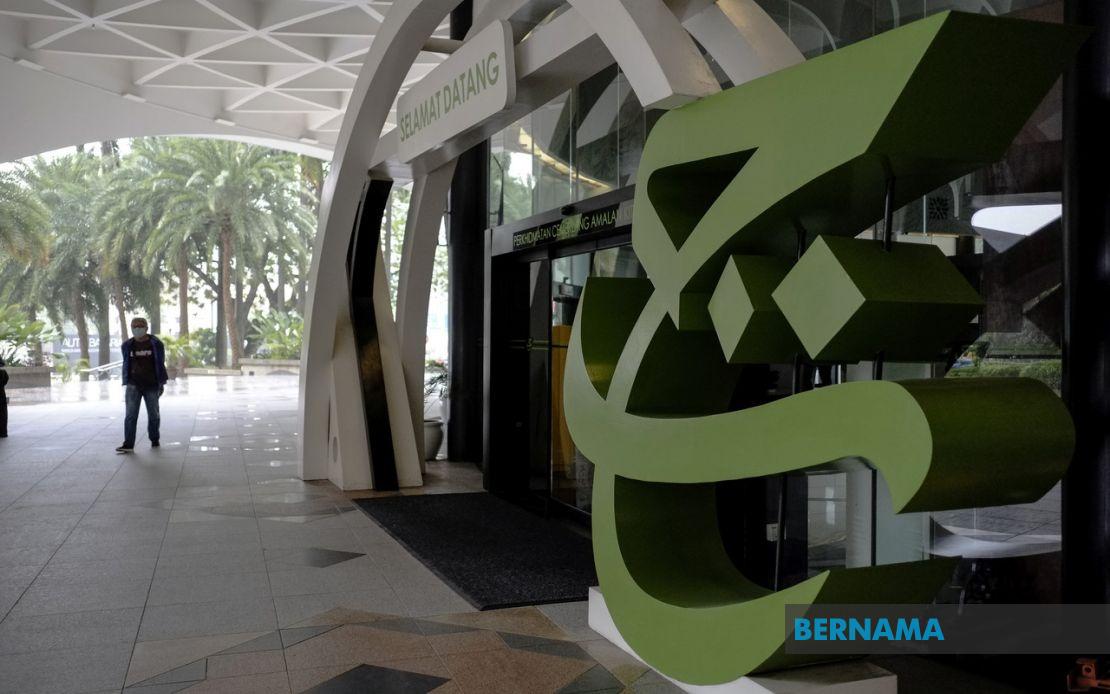
Tabung Haji's ambitious restructuring programme has successfully reversed a severe financial crisis that threatened the institution's credibility and depositor confidence, according to findings from a fully declassified Royal Commission of Inquiry report released in August. The crisis, rooted in RM12.6 billion in investment losses, has been substantially addressed through a comprehensive recovery plan that combined asset restructuring with stricter governance measures. This accomplishment represents a turning point for Malaysia's largest Islamic financial institution serving the hajj savings needs of over 9 million depositors, many of whom depend on TH as their primary vehicle for accumulating funds for the pilgrimage to Mecca.
The recovery strategy unfolded across two phases. The first phase, implemented through the 2018 Recovery Plan, tackled RM10 billion of the total losses, while the remaining RM2.6 billion was progressively resolved through the end of 2025. The RCI noted that approximately three-quarters of its recommendations have already been implemented, with government authorities pledging to complete the outstanding quarter of suggested reforms. This implementation rate reflects serious commitment to transforming what was once a symbol of institutional mismanagement into a model of financial responsibility within Malaysia's Islamic banking ecosystem.
The centrepiece of TH's turnaround involved transferring approximately RM19.9 billion in underperforming assets to Urusharta Jamaah Sdn Bhd, a government-owned special purpose vehicle created specifically to absorb these liabilities. This transfer occurred at a significant premium to market value: the assets were valued at RM9.7 billion in the market at the time, yet TH transferred them for RM19.9 billion, effectively absorbing a RM10.2 billion loss. While this approach initially appeared costly, the RCI concluded it was instrumental in preserving TH's financial integrity and allowing the institution to refocus its operations on its core mandate of managing hajj savings and facilitating the pilgrimage process. For Malaysian depositors, this restructuring meant their savings remained secure even though the underlying investment portfolio had deteriorated significantly.
Immediate improvements became visible through TH's operational metrics. Investment income surged to RM4.64 billion in the most recent financial year—the highest figure recorded since 2018—demonstrating that the remaining portfolio is generating stronger returns. This recovery in income has directly benefited depositors through improved profit distributions. Annual payouts rose from just 1.25 per cent in 2018 to 3.25 per cent in 2024 and 3.5 per cent projected for 2025. These distributions represent a substantial improvement for millions of Malaysian Muslims who depend on TH dividends to supplement their hajj savings and retirement planning.
However, the RCI's assessment was notably circumspect about declaring the crisis fully resolved. The commission emphasised that the recovery plan, while effective in stemming immediate financial deterioration, cannot be viewed as a permanent solution to underlying structural vulnerabilities. Several critical issues remain unaddressed, including weaknesses in corporate governance frameworks, outdated legislative provisions within the 1995 Tabung Haji Act, and insufficient risk management protocols. The commission identified a particular gap: the absence of a comprehensive regulatory framework that would ensure TH maintains sufficient resilience against future market shocks or management failures.
A significant concern highlighted by the RCI involves the government's capacity to sustain commitments made to support UJSB, the special purpose vehicle holding the transferred assets. The UJSB was financed through sukuk issuances backed by government letters of support, carrying profit rates of 4.05 and 4.10 per cent annually. The commission warned that if the government cannot redeem these sukuk instruments or continue providing promised annual cash allocations, TH could face renewed pressure—potentially resulting in profit distributions to depositors that lack adequate cash backing. This concern reflects broader questions about Malaysia's fiscal capacity to support various state-owned entities simultaneously.
Interestingly, recent market developments suggest TH has begun selectively reacquiring assets from UJSB where valuations became more attractive. In 2024, TH repurchased a land parcel at Tun Razak Exchange for RM270 million, down from its original transfer price of RM400 million, representing a 32.5 per cent discount. Similarly, TH reacquired the UJ Estates oil palm plantation holding for RM695 million, compared with the original RM800 million transfer price. These transactions indicate that asset values have begun recovering and that TH's financial position is sufficiently robust to pursue opportunistic acquisitions, yet they also reveal that the original transfer prices may have been inflated to artificially stabilise TH's balance sheet.
The path forward requires TH to address governance deficiencies that contributed to the original crisis. The RCI emphasised that a comprehensive review of the Tabung Haji Act 1995 is necessary to modernise the institution's legislative framework and clarify the balance between commercial objectives and social mandates. Enhanced risk management systems must be implemented to prevent repetition of the investment losses that characterised the period leading to the crisis. Cost controls need strengthening throughout TH's operations, and a formal regulatory regime—potentially involving Bank Negara Malaysia or a dedicated Islamic finance regulator—should be established to provide ongoing supervision and early warning mechanisms.
For Malaysian depositors and the broader Islamic finance sector, TH's recovery offers both reassurance and caution. The stabilisation of the institution's finances provides confidence that the hajj savings of millions remain reasonably secure. Yet the RCI's findings underscore that institutional reform in Malaysia, particularly within the Islamic finance space, requires sustained attention rather than one-time fixes. TH's experience demonstrates how misalignment between governance structures and investment activities can create systemic risks affecting millions of ordinary citizens. The continuing work to implement remaining reforms will test whether Malaysia's regulatory authorities can maintain momentum on institutional improvements or whether complacency might once again allow vulnerabilities to accumulate.
Looking ahead, TH's recovery trajectory will depend significantly on market conditions, government budgetary capacity, and the quality of governance reforms implemented over the coming years. The institution's improving financial metrics and restored profitability suggest the worst of the crisis has passed. However, the RCI's insistence on structural reforms reflects recognition that merely addressing the financial symptoms without curing underlying governance diseases would leave TH vulnerable to future crises. For Malaysian policymakers, the challenge involves balancing TH's commercial viability with its social function, ensuring that profit-seeking activities do not again compromise the savings of millions of hajj-intending Muslims who depend on this institution for one of Islam's five pillars.

