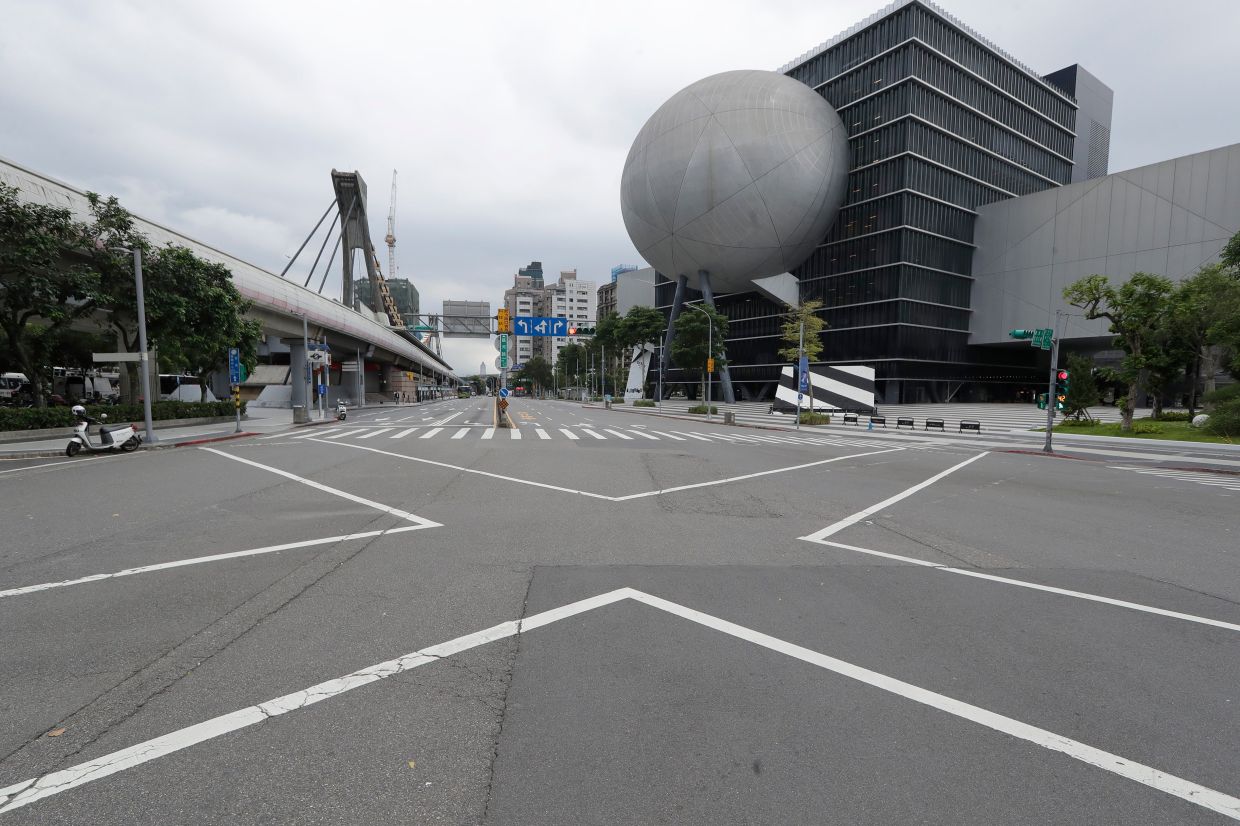
Taiwan deliberately slowed mobile internet connectivity to just 256 kilobytes per second across Taipei and six other cities and localities on August 13, effectively crippling data services while preserving basic text messaging capabilities. This unprecedented measure formed part of the final phase of Han Kuang, the island's annual military exercise programme that commenced the previous week, representing a marked intensification in how Taiwanese authorities approach emergency readiness in an increasingly volatile security environment.
Telecommunications providers implemented the throttling at government direction, a dramatic departure from the usual mobile experience in Taiwan's urban centres, where residents typically enjoy high-speed 5G networks. The temporary slowdown underscored the purpose of the drill: simulating infrastructure degradation that might occur during a military conflict or major crisis. Unlike previous iterations of civil defence exercises that remained largely invisible to the general public, this year's Han Kuang incorporated deliberate disruption to test population response and institutional adaptability under genuine stress conditions.
President Lai Ching-te acknowledged the inconvenience caused to citizens, offering a public apology while framing the exercise as a necessary component of national security preparation. His statement reflected the delicate balance authorities must strike between maintaining public trust and imposing realistic hardship through drills. The presidential intervention signalled that Taiwan's leadership views these exercises as sufficiently important to warrant direct engagement with citizens about their temporary sacrifice, a recognition that public buy-in remains essential for effective emergency preparedness in a democratic society.
Taiwan has progressively amplified Han Kuang's scope and realism over successive years, moving beyond military-only participation to encompass reservists, civilians, and coordination with local government structures. This expansion reflects a strategic calculation that genuine civil defence capacity requires the entire population to understand its role and responsibilities. Previous urban resilience drills had achieved minimal disruption—for instance, air raid simulations in metro stations failed to impede passenger flow—prompting officials to redesign exercises around scenarios that demand authentic behavioural change and institutional stress-testing.
The integration of civilian populations into these drills carries particular significance for Southeast Asian observers monitoring Taiwan's security preparations. As cross-strait military tensions have escalated, Taiwan's emphasis on population mobilisation suggests authorities believe rapid escalation scenarios remain possible. The decision to temporarily degrade internet services tests whether critical communication systems can function under degraded conditions and whether civilians can adapt their behaviour when normal technological conveniences become unavailable. For a densely populated island increasingly reliant on digital infrastructure, such stress-testing holds practical value beyond symbolic reassurance.
On August 13 afternoon at a Taipei metro station, concrete evidence of the drill's disruptive intent became visible as security personnel sealed station gates and retained passengers for approximately thirty minutes as part of air raid simulation protocols. This tangible restriction—physically preventing commuters from leaving—differed fundamentally from previous cosmetic exercises. Allen Hsieh, a Hong Kong tourist caught within the station during the lockdown, expressed surprise at the exercise's authenticity, noting he had anticipated receiving only text messages rather than experiencing genuine confinement. His observation captured how Taiwan's shift toward realistic drills fundamentally altered the public experience of emergency preparedness.
Hsieh's assessment that the exercises proved convincing despite causing temporary inconvenience reflected a broader acceptance among Taipei residents of the necessity for such preparations. His explicit acknowledgment of Taiwan's challenging security circumstances—"given the current situation"—indicated that citizens, even foreign visitors, understood the geopolitical context motivating such drills. This tacit acceptance matters significantly for implementation success; drills lose effectiveness when populations view them as theatrical rather than genuinely preparatory exercises.
Parallel to internet throttling and metro station lockdowns, Taiwan's medical sector participated in complex scenario planning as part of Han Kuang's comprehensive approach. President Lai visited a hospital conducting simulations of relocating critical operations underground, a scenario reflecting concerns about potential aerial bombardment or infrastructure targeting during conflict. Such hospital-level drills address a genuine vulnerability in Taiwan's emergency response architecture: ensuring continuity of essential medical services during sustained military operations. The underground relocation protocols tested during the exercise represent institutionalised responses to the possibility of airfield denial and targeting of above-ground infrastructure.
The breadth of Taiwan's Han Kuang exercise—spanning telecommunications infrastructure, urban transit systems, medical facilities, and residential populations simultaneously—suggests a comprehensive reconceptualisation of national defence. Rather than confining military preparation to uniformed personnel and dedicated defence installations, Taiwan's approach incorporates the entire civil society into exercises assuming an actual conflict scenario. This philosophy reflects both Taiwan's geographic constraints as a densely populated island without strategic depth and the asymmetric nature of potential military threats it faces.
For Malaysia and other Southeast Asian nations observing Taiwan's security preparations, the Han Kuang drills provide instructive precedent regarding how democracies approach large-scale emergency preparedness. Taiwan's willingness to deliberately disrupt normal life for realistic exercise purposes demonstrates that functional civil defence requires genuine population participation rather than merely ceremonial compliance. The exercises implicitly challenge other regional democracies to examine whether their own emergency preparedness frameworks achieve similar authenticity or remain primarily symbolic in character.
The August 2024 Han Kuang exercise marked a qualitative shift in Taiwan's defence posture, moving from insular military preparations toward integrated national mobilisation. By throttling internet speeds, sealing metro stations, and simulating hospital relocations simultaneously, Taiwanese authorities sent a clear message to both domestic audiences and international observers that emergency preparedness now constitutes a comprehensive societal responsibility. Whether this intensified approach successfully translates into genuine enhanced resilience or represents primarily symbolic reassurance remains an open question, but the willingness to impose real disruption suggests Taiwan's leadership has concluded that the stakes warrant genuine rather than performative preparations.

