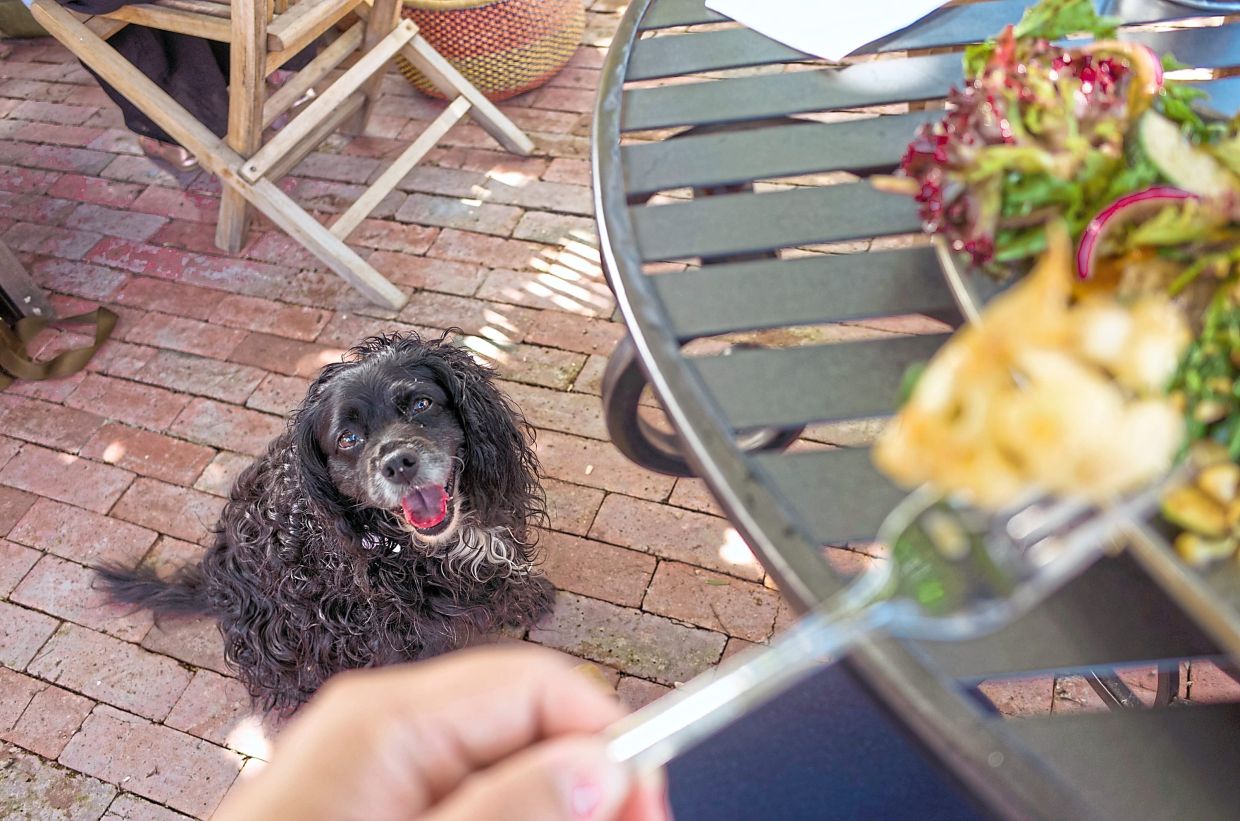
Malaysia's growing number of pet-friendly eateries and outdoor dining spaces have made it increasingly convenient for dog owners to bring their four-legged companions along for meals. As more restaurants embrace pet-inclusive policies and weather conditions permit extended time outdoors, many Malaysians are discovering the pleasure of enjoying weekend brunches or casual dinners with their beloved pups. However, taking your dog to an outdoor dining venue requires careful planning and attention to several critical factors that can significantly affect both your meal experience and your pet's wellbeing.
Heat management ranks among the most pressing concerns when dining outdoors with dogs in Malaysia's tropical climate. The combination of intense midday sun and prolonged periods sitting at a table creates conditions where dogs can quickly become overheated and dehydrated. Unlike humans who can order cold beverages while seated, dogs rely entirely on their owners to provide access to water during outdoor activities. Bringing a collapsible bowl or portable pet water dish from home ensures your dog has constant access to hydration. Watch carefully for signs of heat stress, particularly heavy panting or excessive drooling, which indicate your dog needs immediate shade or shelter. At the first sign of these symptoms, prioritize returning home or moving indoors rather than pushing through the meal.
Before settling at your chosen table, conduct a thorough environmental assessment from your dog's perspective. This means getting down to table level and examining what lies beneath and around the dining area. Check for objects on the ground that an inquisitive dog might attempt to chew or swallow, including food scraps from previous diners, small debris, or restaurant equipment. Such items pose choking hazards or digestive complications that could result in costly veterinary emergencies. The outdoor dining environment, by its nature, contains more uncontrolled elements than indoor restaurants, making this precautionary scan essential before your dog has opportunity to investigate independently.
Food safety emerges as another critical consideration when dining with your dog present. Certain human foods commonly served at restaurants present genuine health dangers to dogs. Fatty meats and rich foods can trigger pancreatitis, a serious inflammation of the pancreas requiring veterinary intervention. Chocolate, frequently found in desserts, and raisins, sometimes included in dishes or served as snacks, are toxic to canine metabolism and can cause severe poisoning even in small quantities. During your meal, remain vigilant about food placement on the table and ensure fallen items are promptly removed before your dog can access them. Brief moments of inattention while conversing with dining companions can provide sufficient opportunity for a curious dog to consume something harmful.
Managing your dog's behaviour and mental state during the dining period requires proactive entertainment strategies. Dogs sitting under tables or confined by short leashes in unfamiliar outdoor environments with multiple stimuli—other diners, passing people, ambient noise—often become restless, anxious, or disruptive relatively quickly. Simply expecting your dog to remain quietly settled for an extended meal period sets both you and your pet up for frustration. Bring interactive toys, puzzle toys, or high-value treats from home to maintain your dog's focus on approved activities rather than on the surrounding environment. These engagement tools help prevent unwanted behaviours such as excessive barking, jumping, or pulling on the leash that can disturb other diners and create an unpleasant experience for everyone.
Yet perhaps the most important decision comes before you even leave your home: honestly assessing whether your individual dog is suited to outdoor dining at all. Dogs with inherent anxiety disorders or stress responses to crowded, unfamiliar environments will not benefit from being brought to busy restaurants, regardless of how pet-friendly the venue claims to be. Some dogs simply lack the temperament for such situations, and forcing them into stressful conditions does not build resilience but rather compounds their anxiety. For owners of anxious or stress-prone dogs, the kindest decision involves leaving them in a calm, comfortable home environment rather than subjecting them to hours of nervous overstimulation.
Understanding and respecting your dog's individual personality and stress thresholds represents the cornerstone of responsible pet ownership in social dining situations. Not every dog will enjoy outdoor dining, and that preference is entirely valid. Pet owners should evaluate their dog's behaviour in previous public situations, consulting veterinary or behavioural professionals if uncertain about their dog's capacity to handle crowded environments. Making this assessment prevents negative experiences that might damage your dog's confidence and psychological wellbeing. The goal of bringing your dog along is to enhance your experience together, not to subject your pet to unnecessary stress in pursuit of convenience or Instagram-worthy photos.
Malaysia's expanding pet-friendly infrastructure represents a positive trend for dog owners seeking to integrate their pets more fully into daily life. However, this accessibility should be balanced with genuine concern for each dog's individual needs and limitations. By prioritizing hydration in the tropical heat, systematically eliminating environmental hazards, restricting food access, providing mental stimulation, and making honest assessments about your dog's suitability for public dining situations, you can create experiences that are genuinely enjoyable for both you and your pup. The measure of success is not whether you can bring your dog along, but whether doing so enhances—rather than compromises—your dog's comfort, safety, and peace of mind during what should be a pleasurable shared experience.

