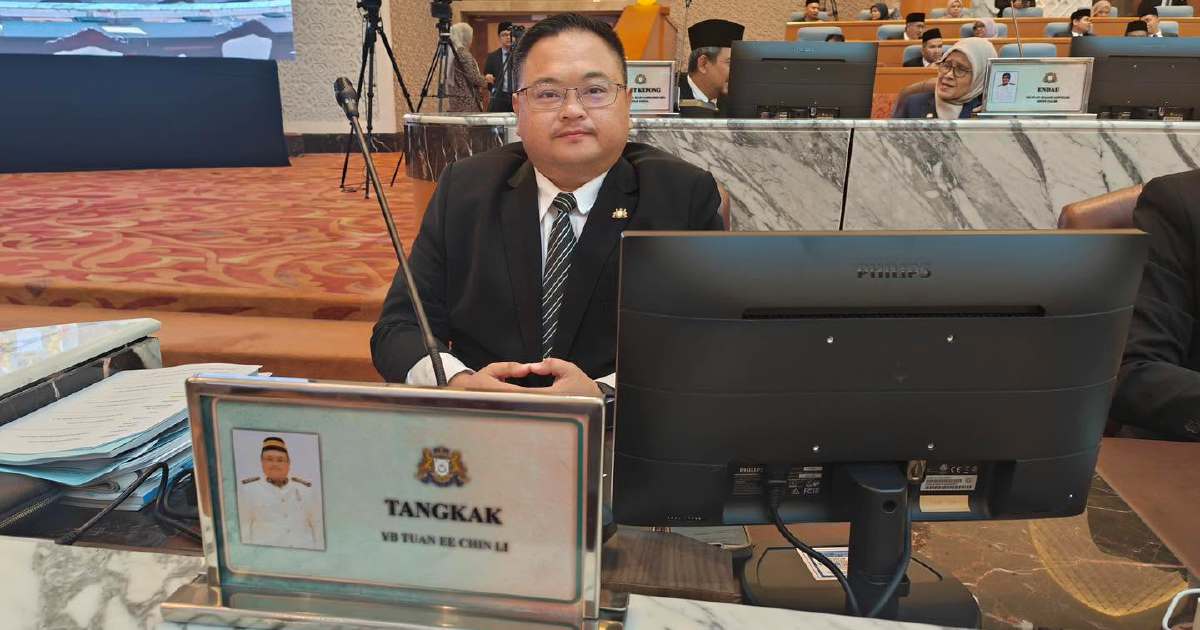
Tangkak voters will decide between two established political camps on July 11 when the Johor state election reaches polling day. The Tangkak state constituency has shaped up as a two-way battle between the incumbent from Pakatan Harapan and the Barisan Nasional challenger, setting the stage for what promises to be one of the more closely watched contests in the state assembly polls.
The competition features Ee Chin Li, who currently represents the constituency under the PH banner, against How Chin Teck, the BN candidate hoping to reclaim the seat for the opposition coalition. Both camps have mobilised their resources for what appears to be a genuinely competitive race in one of Johor's key constituencies.
Tangkak's status as a straight fight between Malaysia's two major political blocs underscores the polarised nature of electoral competition in Johor. The absence of other challengers suggests that both PH and BN have sufficient grassroots organisation to prevent third-force candidates from gaining traction, a pattern increasingly common in established constituencies across the peninsula.
For Ee Chin Li, the July 11 contest represents a test of incumbency. Having already secured the seat once, the PH representative must demonstrate sustained support among local constituents and deliver on campaign promises made during the previous election cycle. Incumbents in Malaysia typically enjoy certain advantages, including higher name recognition and the ability to point to tangible constituency development projects completed during their term.
How Chin Teck's nomination as BN's candidate reflects the coalition's strategic calculus in Tangkak. Whether the challenger brings long-standing community ties or represents a fresh face for BN remains significant for voters evaluating options. BN's revival in recent years has depended partly on presenting competitive candidates capable of reconnecting with constituencies where the coalition faced defeats.
The Johor state election carries broader implications for both alliances. Johor's political complexion matters enormously because it is Malaysia's second-largest state by population and a bellwether for Peninsular politics. Results from Tangkak and other constituencies will help determine whether PH can maintain ground gained in recent years or whether BN successfully reverses some of those gains as it repositions itself in the post-Mahathir landscape.
For regional observers, the Johor state election reflects Malaysia's evolving democratic dynamics. The two-party system that has crystallised around PH and BN represents significant consolidation compared to earlier eras when multiple alliances competed. This simplification can offer voters clearer choices, though it also concentrates power among fewer entities.
Local issues likely to dominate campaigning in Tangkak include economic opportunities, infrastructure development, and service delivery quality. Johor's economy has historically depended on manufacturing, port operations, and more recently, technology and finance sectors. Tangkak voters will probably prioritise bread-and-butter concerns alongside broader political messaging from both camps.
The constituency's demographic composition will influence campaigning strategies. Urban-rural divides, ethnic composition, and age distribution all shape how candidates position their messages. In Johor constituencies, economic concerns often resonate powerfully among both Malay-Muslim and non-Malay voters, potentially offering common ground despite political differences.
The timing of July 11 places Tangkak and other Johor constituencies in the state's regular five-year electoral cycle, meaning both camps can point to concrete records rather than relying solely on promises. This creates space for voters to make comparative assessments of governance and delivery.
Both PH and BN recognise Johor's importance for their national political trajectories. Strong performances here build momentum for future contests, while weak results can undermine claims of broad support. The Tangkak contest thus connects local concerns to state-level and potentially federal-level political dynamics, making it meaningful beyond the constituency itself.
As July 11 approaches, campaign intensity will build. Ee Chin Li will mobilise PH's machinery to defend the seat, while How Chin Teck seeks to mobilise BN supporters and convince swing voters that BN offers superior governance. The contest promises to reflect broader conversations about Malaysia's political direction happening across Johor during the election period.

