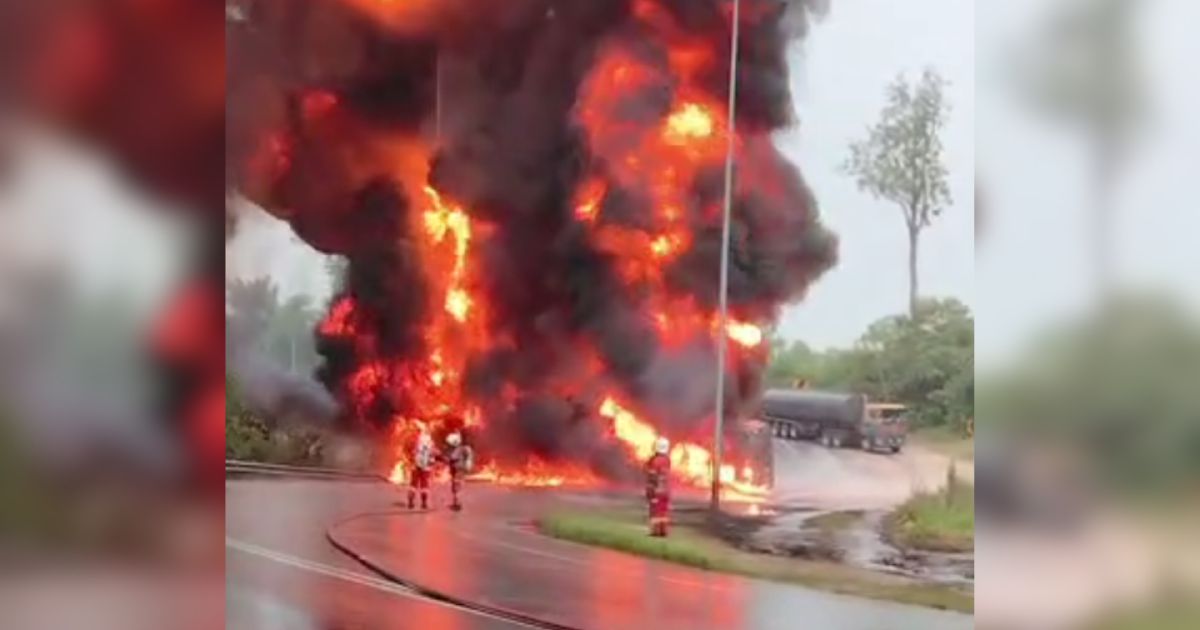
A fuel tanker driver involved in a catastrophic collision near Temerloh that claimed two lives has been ordered to remain in custody for four days while police establish the circumstances surrounding the incident. The crash, which occurred at Km9 of Jalan Temerloh-Triang near Kampung Lebak, resulted in the deaths of a mother and son, marking another tragic reminder of road safety concerns on Malaysia's highways.
The remand order reflects the gravity of the investigation, with authorities moving swiftly to piece together events leading to the collision. Police have indicated that the four-day detention period will allow them to conduct thorough questioning of the driver, examine evidence gathered from the scene, and obtain technical data that may shed light on potential factors such as vehicle condition, road conditions, and driver behaviour immediately preceding the crash.
Fatal collisions involving heavy vehicles such as fuel tankers typically trigger multi-faceted investigations in Malaysia. Beyond immediate witness statements and scene examination, authorities typically examine factors including brake maintenance records, driver fatigue and rest-hour compliance, vehicle load distribution, and whether speed or mechanical failure contributed to the incident. The involvement of a fuel tanker adds additional complexity, as investigators must also assess whether the cargo or the vehicle's specialized nature played any role in the accident.
Road accidents involving commercial vehicles remain a persistent public safety concern across Southeast Asia. The Temerloh-Triang corridor experiences substantial traffic, with both private vehicles and heavy commercial transport competing for space on highways designed to facilitate the region's economic activity. The presence of a fuel tanker on this route is routine, yet incidents involving such vehicles carry heightened consequences due to their size, weight, and cargo volatility.
The loss of two family members in a single incident underscores the devastating personal toll exacted by road tragedies. Beyond the immediate grief experienced by surviving relatives, such incidents prompt broader community reflection on shared road responsibilities and the often-overlooked risks that drivers and passengers encounter during routine journeys. Malaysian highways witness thousands of trips daily, yet a single moment of inattention or mechanical failure can transform ordinary commutes into tragedies.
Transportation safety in Malaysia has been subject to ongoing scrutiny, with the government implementing various initiatives to reduce fatal collisions. These measures include stricter enforcement of speed limits, mandatory vehicle inspections, driver licensing reforms, and awareness campaigns targeting high-risk behaviours. The effectiveness of such initiatives depends heavily on consistent implementation and genuine engagement from all road users, from commercial operators to private drivers.
The investigation into this particular incident will likely yield insights applicable across the haulage industry. Fuel tanker operators face specific regulatory requirements governing vehicle maintenance, driver qualifications, and operational procedures. Should investigation reveal that regulatory breaches contributed to the collision, authorities may pursue charges reflecting the severity of negligence or violations involved.
From a vehicle safety perspective, modern tanker designs incorporate numerous features intended to enhance stability and reduce collision risks. However, the effectiveness of such engineering solutions remains dependent on proper maintenance, appropriate operational speeds, and driver skill and attention. The four-day remand period will likely include technical examination of the tanker itself to determine whether mechanical failure preceded the impact or whether the collision resulted from operational factors.
The incident also highlights the vulnerability of road users sharing highways with commercial vehicles. Passenger safety advocates frequently raise concerns about power imbalances between heavy vehicles and private cars in collision scenarios. When a fuel tanker impacts a smaller vehicle, physics typically favour the heavier vehicle, with occupants of passenger cars facing substantially elevated injury and fatality risk. This inherent vulnerability makes driver behaviour and attentiveness among commercial operators particularly critical.
Police investigations of this calibre typically involve coordination between traffic enforcement units, criminal investigation teams, and specialized accident reconstruction experts. The four-day remand provides opportunity for these different investigative strands to develop in parallel, with findings integrated to establish a coherent account of events. Depending on conclusions reached, the driver may face charges ranging from negligent driving causing death to more serious offences should investigation reveal gross negligence or regulatory violations.
The Temerloh-Triang route carries significant economic importance for the region, with commercial transport essential to Malaysia's supply chain and logistics networks. However, this economic necessity must be balanced against the safety concerns of all road users. The investigation outcome may inform future regulatory approaches, operator accountability standards, or infrastructure modifications designed to prevent similar incidents.
As investigation proceeds, the incident serves as a sobering reminder of the consequences flowing from momentary lapses in concentration or mechanical oversights on busy highways. For the families affected, the loss extends far beyond the immediate tragedy, resonating through every subsequent day of their lives. For the broader community, such incidents prompt reflection on whether sufficient attention and resources are directed toward preventing similar tragedies on Malaysian roads.

