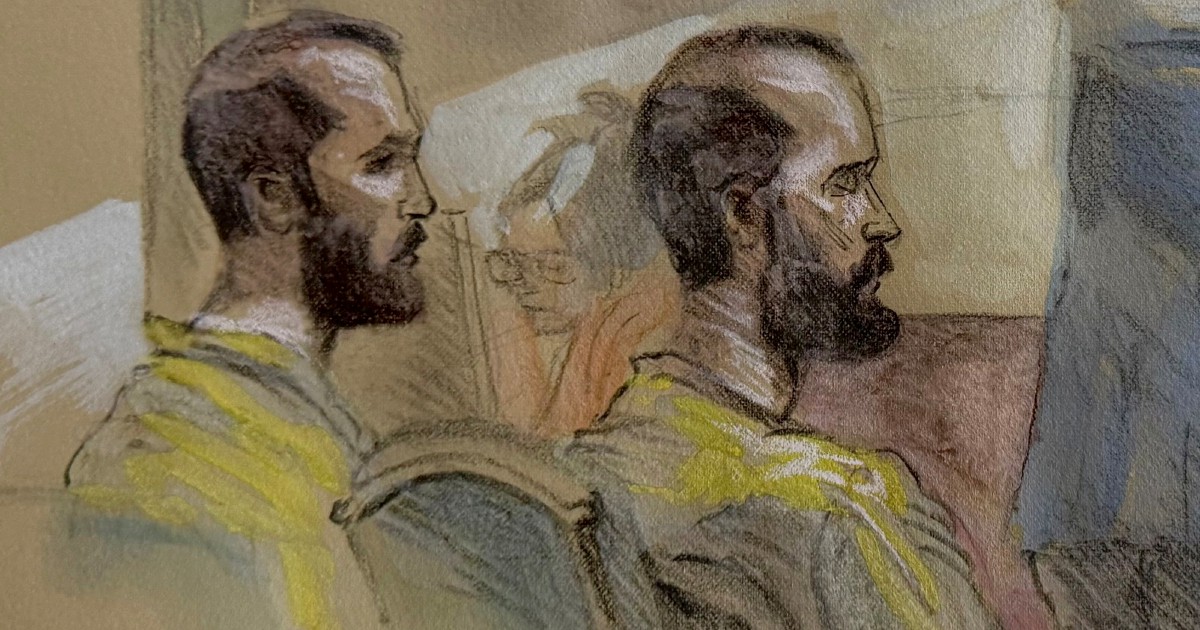
The Tate brothers—prominent social media figures who built substantial online followings—face continued incarceration in Miami's federal detention facility as legal proceedings unfold over their extradition to Britain. During a Thursday hearing in Miami federal court, Magistrate Judge Lauren Louis opted not to issue an immediate determination on the siblings' application for bail release, a decision that keeps them confined while the judge deliberates on their petition. This development marks a significant moment in the high-profile case that has captivated international media attention over recent months.
Andrew and Tristan Tate are presently confronting serious allegations in Britain, where prosecutors have charged them with rape offences. The charges represent part of broader investigations into their conduct, allegations that have thrust them into an unprecedented legal situation despite their considerable social media prominence. Their defence team has moved aggressively to contest the extradition proceedings, arguing against the transfer to British jurisdiction while simultaneously pursuing various legal remedies within the American court system.
The decision by Magistrate Judge Louis to defer her bail ruling reflects the complexity surrounding this extradition matter. Bail determinations in cases involving international extradition requests require careful judicial consideration of multiple factors, including flight risk, the strength of evidence, and the likelihood of the defendant appearing for future proceedings. By declining to rule immediately, the judge signals that she requires additional time to weigh these considerations thoroughly before reaching her conclusion.
The detention of the Tate brothers in federal custody carries significant implications for their defence strategy. Extended incarceration can substantially complicate legal preparations, limit attorney access, and place considerable pressure on defendants to accept unfavourable settlement terms. The brothers' legal team will presumably continue working to either secure their release pending trial or mount comprehensive challenges to the extradition request itself during subsequent court appearances.
Extradition cases between the United States and Britain typically involve careful coordination between both nations' legal systems, as the two countries maintain formal extradition treaty arrangements. These proceedings must satisfy specific legal requirements, including ensuring that the accused will receive fair treatment under the requested country's justice system and that the charges meet the threshold for extraditable offences under applicable law. The American court must determine whether sufficient evidence exists to establish probable cause before authorising the transfer.
For Malaysian and Southeast Asian observers, this case offers important insights into how international extradition frameworks operate between developed nations and the complexities that arise when individuals with significant online influence face serious criminal allegations spanning multiple jurisdictions. The case demonstrates how digital-age celebrities can find themselves subject to traditional legal accountability mechanisms despite their outsized social media presence.
The delays in judicial decision-making, while potentially frustrating for all parties involved, ultimately reflect the serious nature of extradition proceedings, which represent one of the most significant interventions in a person's liberty available within the international legal system. Courts appropriately take considerable time to ensure that such momentous decisions receive thorough analysis and that fundamental fairness principles are observed throughout the process.
The situation also highlights the interplay between detention and trial preparation in cases with significant international dimensions. The defence's ability to prepare an adequate response to extradition arguments may be hampered by continued confinement, creating tension between ensuring public safety and protecting accused persons' rights to prepare vigorous legal defences. This balance represents a central concern in contemporary criminal justice systems across common-law jurisdictions.
Additional court hearings will certainly follow as the extradition matter progresses through the American judicial system. Magistrate Judge Louis will eventually issue her ruling on the bail application, and depending on her decision, further appeals may follow. The brothers' legal team will likely pursue every available avenue to contest the extradition, including challenging whether the underlying charges constitute extraditable offences under the bilateral treaty and arguing whether British justice system protections satisfy international standards.
The case remains closely watched by legal professionals, digital media observers, and international criminal law specialists who view it as a significant test of how modern court systems handle high-profile individuals whose prominence derives from social media platforms. As proceedings continue, additional developments may reshape the legal landscape for both the defendants and the broader understanding of how extradition mechanisms function in contemporary practice.

