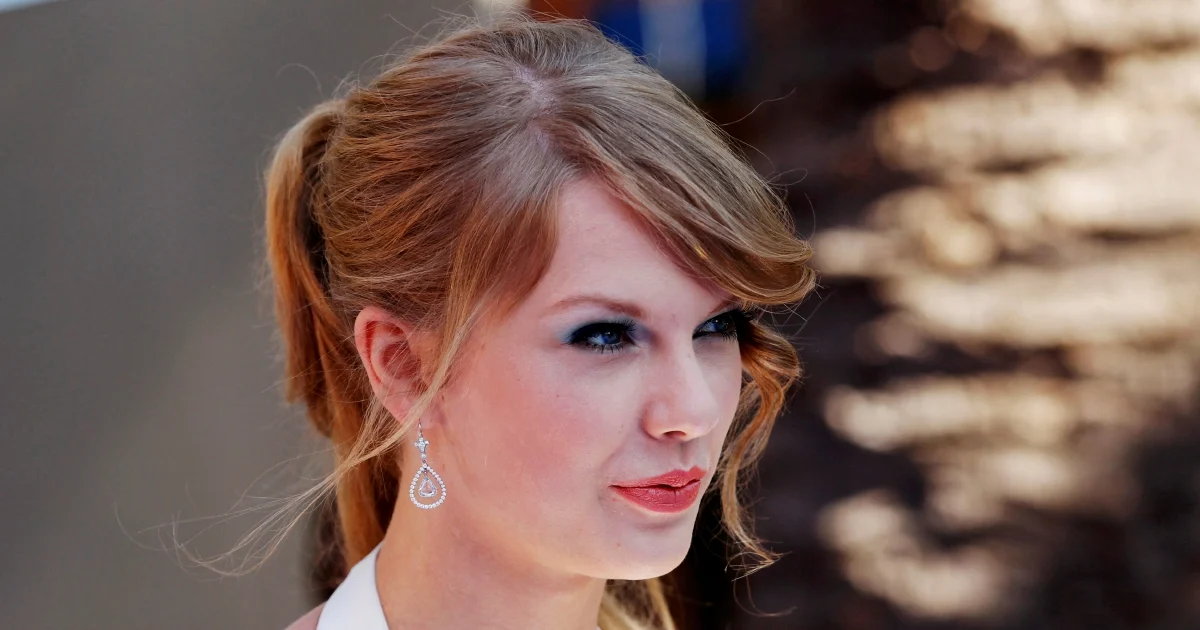
Taylor Swift has secured a legal victory after a federal judge in the United States dismissed a plagiarism lawsuit filed against her by a Florida poet who alleged that the newly married music superstar had borrowed phrases from her poetry collection for more than a dozen of her songs. The ruling, handed down on Monday, clears the global phenomenon from substantial litigation that could have complicated her career during one of its most celebrated periods.
The plaintiff, based in Florida, had initiated the legal action arguing that Swift's lyrics contained unmistakable parallels to her own poetic work. The case centred on allegations of substantial textual similarities across multiple tracks, suggesting a pattern of potential intellectual property infringement. Such claims against major recording artists generate considerable public interest, particularly when they involve figures of Swift's commercial and cultural prominence, and the case had attracted attention from both entertainment law specialists and the broader pop music commentariat.
Federal judges typically apply rigorous standards when evaluating plagiarism claims in creative works. The court's decision to dismiss the lawsuit indicates that the plaintiff's legal arguments failed to meet the threshold requirements necessary to proceed with the case. This could mean several things: the judge may have determined that the similarities identified were insufficient to constitute legal plagiarism, that common phrases or expressions are not protectable under copyright law, or that the plaintiff lacked standing to bring the claim. The specifics of the judge's reasoning become important for understanding how copyright and creative expression intersect within the American legal system.
For Swift, the dismissal represents a significant development at a moment when her personal and professional life has drawn unprecedented global media scrutiny. Her recent marriage has intensified public interest in her activities beyond the recording studio, and legal complications could have created distractions as she continues her career renaissance. The legal victory eliminates a potential distraction from her ongoing commitments, which include touring and recording projects that command substantial resources and attention.
The pop music industry has long grappled with questions about originality, inspiration, and borrowing. Artists routinely draw upon cultural references, classic literary themes, and emotional templates that resonate across generations of songwriting. Distinguishing between legitimate inspiration and unlawful plagiarism remains a complex undertaking, particularly when examining lyrics that express universal human emotions or employ common metaphorical language. The entertainment world has witnessed several high-profile copyright disputes over the decades, some settled through litigation and others through negotiated agreements that acknowledge contributors without admitting wrongdoing.
Swift's songwriting is often characterised by highly specific, personal narratives drawn from her own experiences and observations. This autobiographical approach, which has become central to her brand and artistic identity, creates an interesting tension with plagiarism allegations. When songwriters mine their own lives for material, the specificity of detail can sometimes coincidentally align with other creative works, though establishing genuine infringement requires demonstrating more than superficial similarity. Legal precedent in copyright cases recognises that certain ideas, phrases, and emotional landscapes are part of the common cultural inheritance and therefore cannot be monopolised by any individual creator.
The lawsuit's dismissal will likely reverberate through the music industry, where artists, their management teams, and legal representatives monitor significant copyright cases for precedential value. Understanding how courts approach plagiarism claims helps shape how creative professionals and their legal advisors manage potential vulnerabilities. The decision contributes to an evolving body of jurisprudence that attempts to balance protecting genuine creative work against allowing artists sufficient freedom to draw inspiration from the broader cultural landscape.
Swift's legal team presumably prepared a comprehensive defence addressing the specific allegations and the broader legal standards applicable to copyright infringement claims. The successful dismissal suggests that the arguments presented were persuasive to the judge, whether grounded in legal technicalities, insufficient evidence of copying, or the recognition that surface-level similarities between creative works do not necessarily constitute actionable plagiarism. The speed with which the judge reached a decision—moving to dismissal rather than allowing the case to proceed to trial—indicates the judge may have found the plaintiff's claims legally insufficient from the outset.
The case also underscores the reality that high-profile celebrities inevitably face legal challenges from various parties, some meritorious and others less so. The American legal system provides mechanisms for dismissing frivolous or legally insufficient claims early in the process, protecting defendants from the burdensome expense and distraction of prolonged litigation. For Swift, whose prolific output and massive visibility make her an inevitable target for such disputes, this dismissal represents the functioning of those protective mechanisms.
Looking forward, the resolution allows Swift to maintain her focus on her creative endeavours without the complications that unresolved plagiarism litigation might impose. The entertainment world will continue wrestling with questions about originality, the permissible scope of artistic borrowing, and how legal systems can fairly adjudicate disputes between creators. Meanwhile, other artists navigating similar terrain will note how courts have evaluated comparable allegations, shaping their own understanding of what constitutes legally defensible creative practice.

