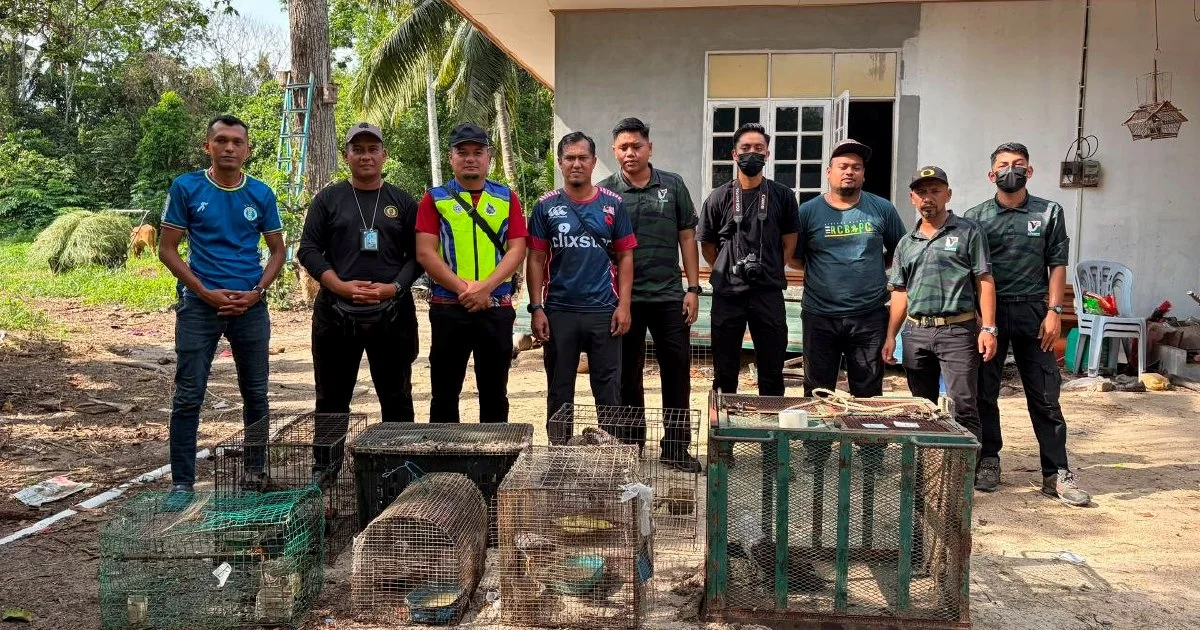
Authorities in Tumpat arrested an 18-year-old on suspicion of unlawfully possessing four distinct species of protected wildlife with a combined estimated value of RM48,500. The apprehension, which took place during a coordinated enforcement operation, underscores the persistent challenge of illegal wildlife trading across Malaysia and the region's continued efforts to combat trafficking networks.
The arrest comes as wildlife enforcement agencies intensify surveillance and raid operations targeting individuals suspected of involvement in the illegal wildlife trade. The seizure of nearly RM50,000 worth of protected fauna suggests a concerning level of commercial activity rather than mere private collection, raising questions about the intended destination and networks behind such transactions.
Malaysia has long been a critical hub in the Southeast Asian wildlife trafficking corridor, with enforcement agencies confronting an ongoing battle against traffickers who exploit the region's biodiversity. The country's geographic position and porous borders create logistical challenges for law enforcement, while demand from international and regional black markets continues to fuel illegal capture and trade.
Protected wildlife seizures at this scale typically involve species listed under the Convention on International Trade in Endangered Species (CITES) or Malaysia's Wildlife Conservation Act 2010. High-value specimens—particularly reptiles, birds, and small mammals sought for the exotic pet trade or traditional medicine markets—frequently command prices that incentivise criminal networks to engage in trafficking operations.
The incident illustrates how wildlife crime operates across different scales and networks. While international trafficking syndicates dominate headlines, domestic enforcement focus on individuals and small operators remains essential, as such arrests often uncover connections to larger trafficking chains. The teenager's involvement raises questions about recruitment patterns and whether younger offenders are being exploited or coerced into trafficking activities by more established criminal elements.
For Malaysian readers, these enforcement successes demonstrate that authorities remain active in combating wildlife crime, yet each seizure represents only a fraction of trafficking activity. Conservation experts estimate that intercepted shipments represent merely 5-10% of actual illegal trade volume, suggesting the genuine scale of the problem remains substantially larger than official statistics indicate.
The monetary value assigned to seized wildlife reflects market rates that drive trafficking incentives. Rare reptiles, endangered birds, and protected primates can fetch extraordinary prices in unregulated markets, sometimes exceeding the earnings available through legal employment—a reality that explains why some individuals, particularly younger or economically marginalised people, become involved in trafficking operations.
Regional cooperation has intensified in recent years through frameworks like the ASEAN Wildlife Enforcement Network (ASEAN-WEN), recognising that transnational trafficking requires coordinated responses. However, inconsistencies in legal frameworks across Southeast Asian nations, varying enforcement capacities, and corruption within border agencies continue to undermine collective efforts.
The arrest also raises awareness about the role that consumers play in sustaining wildlife trafficking demand. Exotic pet markets, demand for traditional medicine ingredients, and luxury wildlife products create consumer bases that drive poaching and illegal capture operations. Public education campaigns in Malaysia have increasingly emphasised this connection, attempting to shift cultural attitudes toward wildlife consumption.
For conservation outcomes, seizures represent both successes and limitations. While removing illegal specimens from circulation prevents some wildlife crime, rehabilitation and reintegration of confiscated animals into wild populations remains logistically challenging and costly. Many enforcement agencies lack adequate facilities and expertise to properly care for seized wildlife, particularly for species with specialised habitat and dietary requirements.
This case also highlights vulnerabilities in Malaysia's supply chains for protected species. Whether the teenager operated independently or as part of a network remains under investigation, but authorities typically focus on dismantling distribution chains rather than prosecuting individual possessors. The investigation's direction will likely reveal crucial information about sourcing locations, trafficking routes, and potential international connections.
Looking forward, the arrest contributes to ongoing discussions within policy circles about strengthening Malaysia's wildlife enforcement infrastructure, increasing penalties for trafficking offences, and improving inter-agency coordination. Current legislative frameworks, while comprehensive on paper, often face implementation challenges due to resource constraints and competing law enforcement priorities.
The apprehension in Tumpat, though significant, remains part of a broader pattern of wildlife crime across Malaysia. Sustained enforcement efforts, coupled with meaningful demand reduction and stronger transnational cooperation, will be essential to addressing the root causes driving trafficking operations and protecting Malaysia's irreplaceable biodiversity for future generations.

