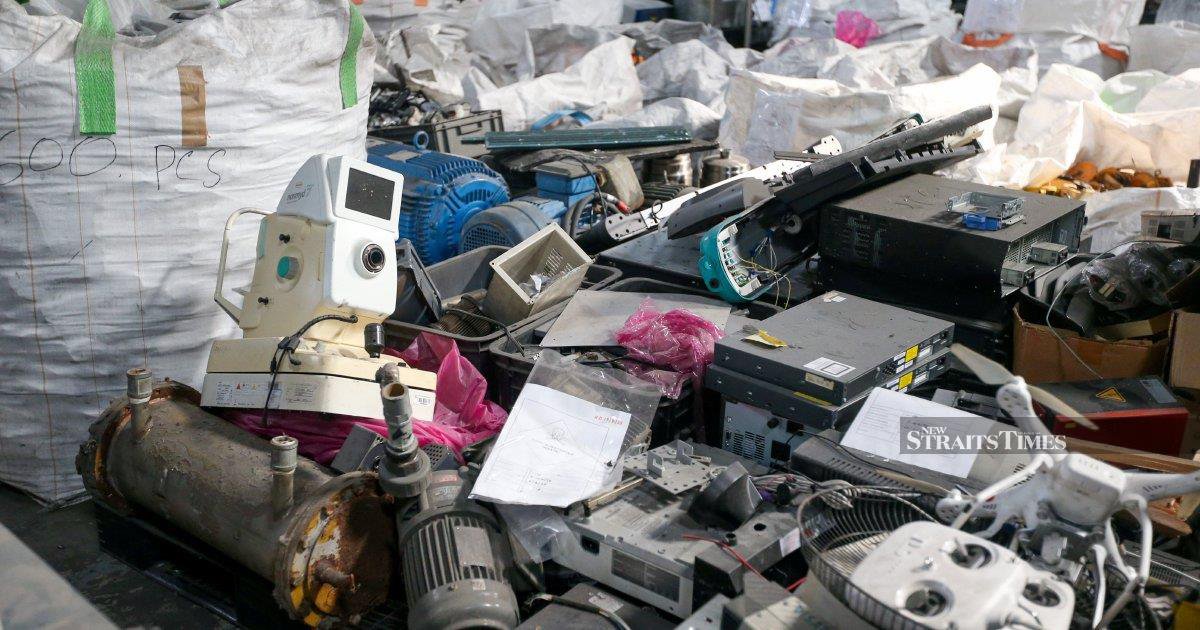
A significant development in law enforcement accountability has unfolded in Penang, where ten personnel from the General Operations Force have been taken into custody as part of an investigation into alleged extortion activities directed at an e-waste processing factory located in Tasek Gelugor. The arrests represent a serious breach of public trust within a paramilitary unit tasked with maintaining order and protecting citizens across Malaysia.
The extortion allegations centre on activities at the e-waste facility, which would typically fall outside the normal remit of GOF operations. This suggests a troubling pattern where officers may have exploited their authority and access to apply financial pressure on a private business concern. The involvement of such a large contingent of personnel in a single incident hints at either widespread institutional knowledge of the scheme or a coordinated operation, both scenarios raising uncomfortable questions about oversight mechanisms within the force.
The timing of these arrests comes amid growing public awareness in Malaysia regarding both environmental crimes and corruption within security forces. E-waste disposal presents a particularly sensitive intersection of environmental responsibility and commercial opportunity, creating conditions where unscrupulous actors might see vulnerable targets. Factories handling hazardous materials often operate with limited public visibility, potentially making them attractive marks for those seeking to exploit their precarious regulatory position.
Penang's manufacturing sector, which includes various processing operations, depends upon stable operating conditions and freedom from arbitrary interference. When security personnel engage in extortion, they undermine the business environment and erode confidence in state institutions. For the broader manufacturing community in the northern corridor, such incidents create uncertainty about whether protective agencies truly serve to safeguard their interests or represent an additional operational liability.
The GOF occupies a distinctive position within Malaysia's security architecture, operating with considerable latitude in crowd control and public order situations. This operational flexibility, while sometimes necessary, also creates potential for abuse when institutional accountability weakens. The arrest of ten officers suggests that investigative agencies have determined sufficient evidence warrants formal detention, a step that carries significant implications for how the force is perceived both domestically and internationally.
From a regulatory perspective, the e-waste sector in Malaysia remains under increasing scrutiny as the nation grapples with electronic refuse management and compliance with international waste protocols. Facilities operating legitimately within this sector must navigate complex environmental requirements, making them potentially susceptible to pressure from individuals claiming authority to inspect or enforce compliance. Manufacturers in the recycling and processing industries would be watching closely to understand how authorities intend to restore confidence in their operating environment.
The investigation itself must establish whether the alleged extortion involved demands for cash payments, protection fees, or some other form of financial consideration. Understanding the modus operandi will be crucial for determining whether systemic corruption exists within GOF units or whether isolated individuals acted opportunistically. The distinction carries important implications for how authorities might reform internal controls and accountability structures.
For Malaysian companies engaged in legitimate industrial activities, particularly those in sensitive sectors like hazardous waste processing, such incidents highlight the importance of maintaining detailed documentation of all interactions with security and regulatory authorities. While most police and paramilitary personnel perform their duties conscientiously, the existence of corrupt elements underscores why businesses should protect themselves through transparency and by reporting any demands that appear improper or coercive.
The incident also reflects broader challenges facing paramilitary forces in Southeast Asia regarding personnel conduct and supervision. As nations in the region work to enhance professional standards and reduce corruption, high-profile cases involving security personnel arrested on criminal charges become important test cases for institutional reform. The outcome of investigations and any subsequent prosecutions will signal whether accountability mechanisms function effectively or merely provide appearances of compliance.
Investigators will need to determine the extent of coordination among the detained officers and identify whether supervisory personnel either participated in or negligently overlooked the scheme. Such inquiries typically examine communications records, financial transactions, and witness testimony to establish chains of responsibility. The scope of evidence gathering in cases involving ten individuals suggests authorities are approaching this with appropriate seriousness.
For the affected e-waste facility and similar businesses in Penang and throughout Malaysia, the investigation outcome will ultimately determine whether confidence in the security apparatus can be restored. Clear accountability for wrongdoing, combined with visible reforms in GOF oversight procedures, would be necessary to reassure the business community that such incidents represent anomalies rather than systemic problems. The coming weeks will prove critical in demonstrating whether Malaysia's institutional safeguards can effectively address misconduct within paramilitary ranks.

