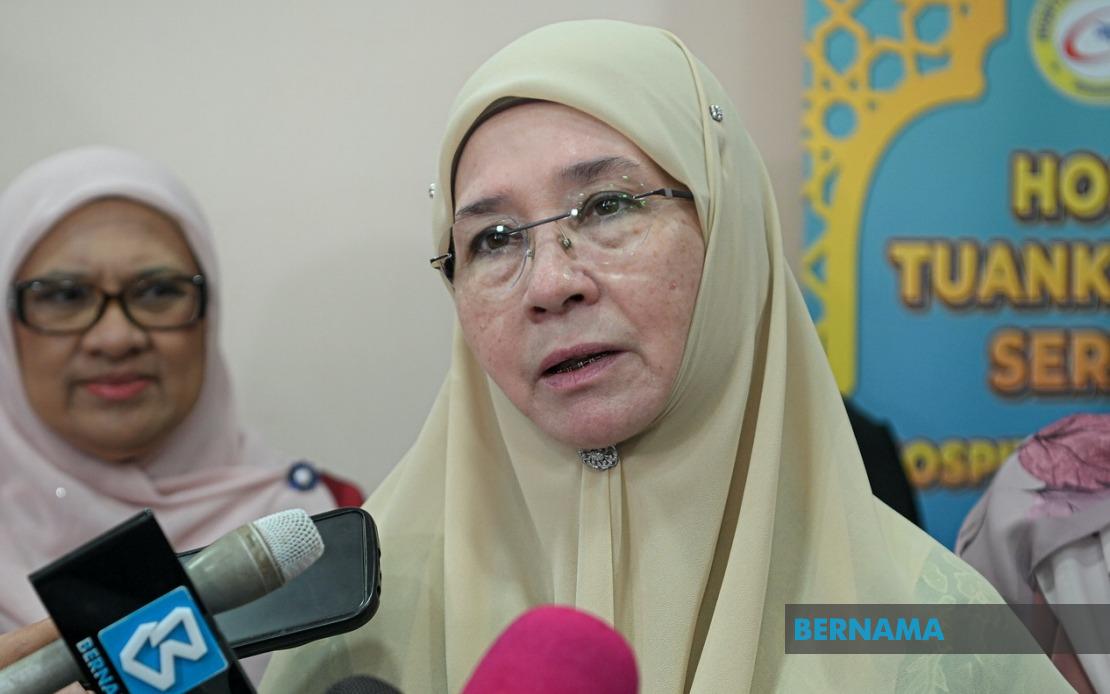
Tengku Ampuan Pahang Tunku Azizah Aminah Maimunah Iskandariah has stepped into the Orang Asli land dispute unfolding in Kampung Sungai Cot, Maran, by offering temporary resettlement on her own property to displaced families. The initiative represents a direct intervention by the royal household in a contentious matter that has drawn attention from the highest levels of federal government, including Prime Minister Datuk Seri Anwar Ibrahim.
According to Major General Datuk Mohamed Zahari Yahya, Comptroller of the Royal Household for the Sultan of Pahang, the Tengku Ampuan has been monitoring the situation closely and recognises the genuine suffering experienced by the affected community. Her gesture goes beyond symbolic support, extending to concrete accommodation options on land she personally owns in Kuala Wau, also within Maran district. The offer underscores the royal household's conviction that the Orang Asli warrant particular attention and protection within Pahang's broader development narrative.
The Tengku Ampuan's commitment to indigenous welfare appears rooted in deeper scholarly engagement. Her ongoing academic research has provided her with greater insight into the historical and contemporary significance of Orang Asli communities in Pahang's development trajectory. Rather than treating the current dispute as an isolated incident, the royal household appears to view it through the lens of broader systemic vulnerabilities that indigenous populations face when competing interests clash over resource rights and land ownership.
Crucially, the offer extends beyond the immediate crisis. Zahari emphasised that families relocated to Kuala Wau would receive explicit assurance that future development of the site would not result in their displacement or marginalisation. Should the land undergo commercial or infrastructural development, the Tengku Ampuan has committed to ensuring that Orang Asli residents remain accommodated and protected within the area. This long-term guarantee distinguishes the proposal from temporary band-aid solutions that merely postpone underlying conflicts.
The initiative's scope also encompasses broader applicability. While the immediate trigger relates to Kampung Sungai Cot, the Tengku Ampuan has invited any Orang Asli families requiring housing assistance to access the Kuala Wau land, subject to royal approval and compliance with existing legal frameworks. This openness suggests recognition that land insecurity affects multiple Orang Asli communities across the state, not merely those currently embroiled in formal disputes.
For Malaysia's indigenous populations, particularly in Peninsular Malaysia where land disputes remain endemic, the gesture carries symbolic weight alongside practical value. Orang Asli communities have historically struggled to secure tenure over ancestral lands as development pressures intensify. State governments often prioritise revenue generation and commercial development over indigenous land rights, leaving communities vulnerable to eviction and dislocation. A royal household offering sanctuary through private landholding represents an alternative mechanism—however limited in scale—for addressing these structural inequalities.
Yet the royal intervention also highlights the inadequacy of charitable solutions to systemic problems. While Tunku Azizah's offer provides relief for some families, the underlying land dispute remains unresolved. The Tengku Ampuan has called for constructive dialogue and mutual understanding between all parties, echoing language familiar from numerous other indigenous rights controversies. Without institutional reforms addressing the legal frameworks governing Orang Asli land claims and state land administration, such incidents will continue recurring.
The federal dimension adds complexity. Prime Minister Anwar Ibrahim's anticipated engagement with the Pahang government reflects the sensitive political nature of Orang Asli issues, particularly as the government positions itself as champion of marginalised communities. Land administration technically falls under state jurisdiction in Malaysia's federal system, yet the Prime Minister's involvement signals that indigenous welfare constitutes a national priority transcending administrative boundaries. This tension between state and federal authority frequently complicates policy responses to indigenous rights matters across the peninsula.
The Maran dispute arrives amid broader regional discussions about indigenous peoples' rights. Southeast Asian governments increasingly face pressure—from domestic civil society, international organisations, and affected communities themselves—to strengthen protections for indigenous land claims and cultural heritage. Malaysia's approach, which blends royal paternalism with state-level jurisdiction, contrasts with other regional models but reflects deep-rooted institutional arrangements that prove difficult to reform rapidly.
For Malaysian observers and policymakers, the case illustrates how individual compassion and royal initiative, while valuable, cannot substitute for comprehensive legal reform. Tunku Azizah's offer addresses immediate humanitarian concerns affecting real families in genuine hardship, yet the broader challenge of securing indigenous land rights demands systematic legislative and administrative changes that transcend charitable gestures. The dispute continues to demand resolution through formal channels and principled negotiation between the affected community, state authorities, and private interests claiming ownership rights.
The coming weeks will reveal whether the Tengku Ampuan's intervention catalyses broader movement toward resolving the underlying dispute, or whether it primarily offers temporary refuge while fundamental conflicts remain unaddressed. For Orang Asli communities throughout Pahang and beyond, the outcome carries implications extending far beyond Kampung Sungai Cot, establishing precedents—or lack thereof—for how Malaysia's indigenous populations can expect their interests to be treated when development and traditional rights collide.

