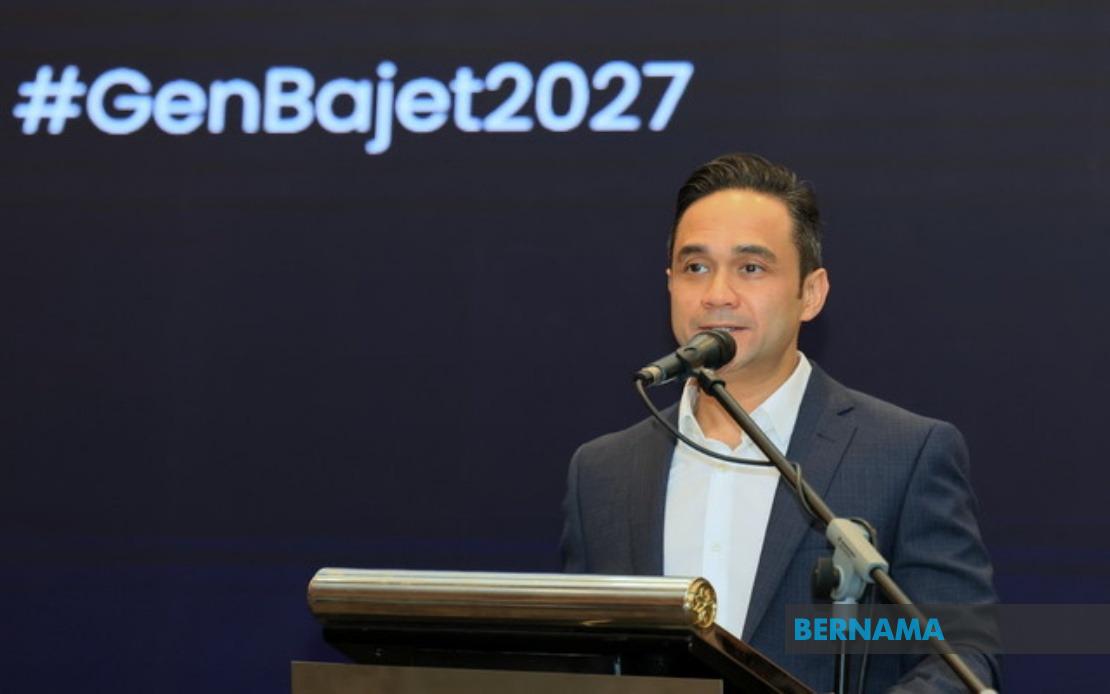
The Bumiputera Agenda Steering Unit (TERAJU) is making a direct appeal to policymakers to ensure that Budget 2027 dedicates sufficient resources to support the rollout of the Bumiputera Economic Transformation Plan 2035 (PuTERA35). Speaking in Cyberjaya on August 26, senior officials from TERAJU underscored the necessity of robust financial backing if the government's ambitious decade-long plan to revitalise the Bumiputera economy is to reach its full potential and deliver tangible benefits to the community by 2035.
Nik Nazree Nik Abdul Rahman, senior director of TERAJU's Strategic Services Division, emphasised that consistent and adequate funding remains the linchpin for translating policy objectives into measurable outcomes across the Bumiputera sector. The comprehensive framework encompasses 132 separate initiatives structured around three core pillars and twelve strategic drivers, all designed to enhance participation, ownership and economic control among Bumiputera entrepreneurs and communities. Without sufficient budgetary allocation, the risk of implementation delays and reduced programme efficacy looms large, potentially undermining progress towards 2030 milestones and the broader 2035 vision.
The PuTERA35 initiative, officially launched on August 19, 2024, represents a substantial departure from previous economic empowerment strategies by integrating Bumiputera development directly within the broader MADANI Economy framework championed by Prime Minister Datuk Seri Anwar Ibrahim. This alignment signals the government's commitment to positioning Bumiputera economic advancement not as a parallel initiative but as a central pillar of national economic transformation. The ten-year timespan allows for phased implementation and strategic learning, but requires predictable and growing financial commitments across multiple budget cycles.
Nik Nazree highlighted that emerging sectors such as energy transition present particularly promising avenues for Bumiputera enterprise expansion, as the regional and global shift towards renewable energy creates new market opportunities. However, capitalising on these opportunities demands targeted investment in research, infrastructure, capacity building and market facilitation. The energy sector transition offers a rare window for Bumiputera businesses to establish themselves in high-value industries from the ground up, rather than attempting to penetrate already-established competitive markets. TERAJU views this as a critical area where Budget 2027 allocations could yield disproportionately high returns.
Another pressing concern identified by TERAJU is the underdeveloped linkage between Bumiputera enterprises and Malaysia's capital markets. The organisation points out that while credit-based financing mechanisms have historically dominated Bumiputera business support, direct access to equity financing, public listing pathways and institutional investment vehicles remains constrained. Expanding this dimension of financial support would not only provide Bumiputera entrepreneurs with larger capital pools but also instil greater market discipline and professionalism within enterprises. Budget 2027 should therefore include provisions for initiatives that facilitate capital market participation among qualifying Bumiputera firms.
Critically, TERAJU's assessment reveals a concerning gap between implementation activity and actual outcomes. While the organisation reports achieving 67 percent progress in terms of PuTERA35 implementation—measured largely through the launch and execution of programmes—there remains significant uncertainty about whether these efforts are genuinely strengthening Bumiputera enterprise performance and improving household incomes. This distinction between activity and impact is crucial for budget deliberations; funding allocation decisions should be tied to demonstrated results rather than merely programme commencement. The government faces pressure to show tangible socio-economic improvements within the Bumiputera community, not merely programme delivery statistics.
Implementation oversight occurs through multiple governance structures, including working committees and the Bumiputera Economic Council chaired by Prime Minister Anwar Ibrahim. This multi-level monitoring framework reflects both the plan's complexity and the political significance attached to its success. Regular engagement at the highest levels of government signals commitment but also creates accountability mechanisms that could accelerate or delay resource allocation depending on perceived progress. The involvement of the Prime Minister's office suggests that Bumiputera economic transformation remains a priority within the current administration's agenda.
TERAJU has committed to releasing a comprehensive performance report at year-end assessing PuTERA35's progress and achievements after two years of operation. This midpoint evaluation will serve as critical evidence for Budget 2027 deliberations, as lawmakers and the Finance Ministry will want concrete data on which initiatives are delivering results and where additional or redirected funding might prove most effective. The report's findings could significantly influence both the quantum and allocation of resources approved for the programme's continuation.
For Malaysian businesses and policymakers, the TERAJU appeal reflects a broader challenge facing affirmative action programmes: ensuring that sustained funding translates into genuine economic mobility rather than perpetuating dependency or creating ineffective bureaucratic structures. The Bumiputera community represents a significant share of Malaysia's population and consumer base, making its economic empowerment a matter of broad national interest beyond ethnic considerations. Budget 2027 decisions on PuTERA35 funding will signal whether the government views this agenda as fundamental to national development or secondary to other priorities.
The timing of TERAJU's advocacy is strategically significant, as budget formulation typically commences several months before parliamentary presentation. By raising the issue now, TERAJU aims to ensure that PuTERA35 receives prominent consideration during initial planning discussions within the Finance Ministry and cabinet. The organisation's emphasis on high-impact sectors and capital market development also provides specific guidance on where funding might be most productively deployed, moving beyond general requests for increased allocation towards strategic prioritisation.
Regionally, Malaysia's approach to Bumiputera economic transformation attracts attention from other Southeast Asian nations grappling with similar questions about inter-community economic equity and inclusive growth. How effectively PuTERA35 translates policy into prosperity will offer lessons—both positive and cautionary—for policymakers across the region. Malaysia's budget decisions on this front therefore carry implications beyond domestic politics, influencing regional perceptions of whether structured affirmative action programmes can achieve sustainable economic development outcomes.
Looking forward, the success of TERAJU's advocacy will depend partly on broader fiscal conditions and competing budget priorities, but also on the strength of evidence showing that previous allocations have generated meaningful returns. The organisation's candid acknowledgment that implementation progress alone does not guarantee improved socio-economic outcomes demonstrates a mature approach to accountability that should bolster confidence in its budget requests. Budget 2027 deliberations will ultimately reveal whether the government is prepared to deepen its commitment to Bumiputera economic transformation or whether other national priorities will claim limited fiscal resources.

