A fatal boat accident off the coast of Kuala Terengganu has prompted regional authorities to intensify their push for stricter safety compliance among marine operators and passengers. The incident, which occurred around 9 pm near Dataran Kuala Nerus approximately nine nautical miles from shore, resulted in the death of boat crew member Ahmad Nasaruddin Mohmad Jalil, 37, while three squid jigging participants sustained injuries and eight others were successfully rescued.
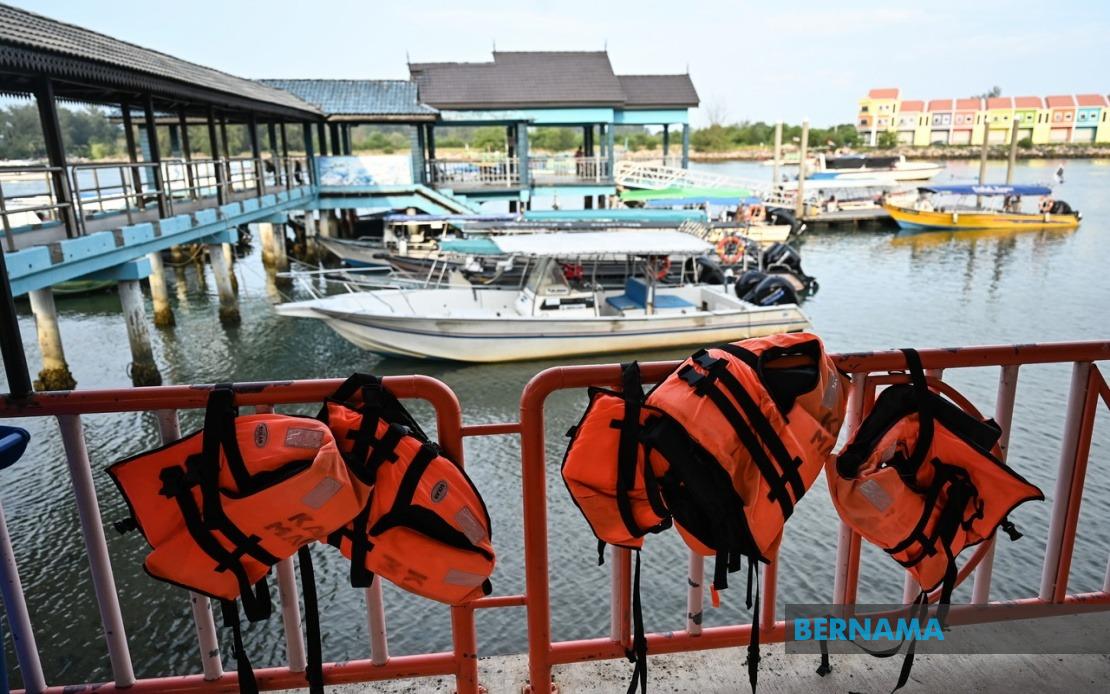
In response to the tragedy, Datuk Razali Idris, chairman of the Terengganu State Tourism, Culture, Environment and Climate Change Committee, has issued an emphatic call for comprehensive safety measures across all maritime operations. His statement underscores a critical gap between existing regulations and their practical application in the field. The official has made clear that life jacket usage must become non-negotiable—not merely during active fishing or transit periods, but continuously throughout any seaborne expedition, including rest periods and sleep cycles when passengers may feel less vulnerable. This comprehensive approach recognizes that maritime accidents often strike unexpectedly, offering no advance warning to those caught unawares.
The broader context of squid jigging activities in Terengganu reveals an industry that has operated relatively unchanged for decades. Despite this long operational history, Datuk Razali maintains that existing standard operating procedures remain adequate in their current form and do not require revision. However, his emphasis on compliance rather than regulatory overhaul suggests that the gap between policy and practice represents the genuine vulnerability. The state government, he notes, functions primarily in an advisory capacity, with actual licensing authority and operational approval vested in the Malaysia Marine Department. This jurisdictional division means that state-level recommendations, while important, rely ultimately on voluntary operator compliance and departmental enforcement.
Boat skippers emerge as central figures in this safety framework, positioned as both technical experts and safety custodians. Datuk Razali's directive requires skippers to conduct mandatory safety briefings before departure, covering essential information including current weather conditions, sea state assessments, anticipated trip duration, and proper life jacket deployment procedures. This requirement mirrors established protocols on tourist ferries servicing island destinations, demonstrating that robust pre-departure safety measures have proven effective in similar contexts. The official emphasizes that skippers possess irreplaceable knowledge of actual sea conditions and therefore bear responsibility for educating passengers about realistic risks before embarking.
Critically, the safety framework must also include passenger compliance with skipper directives. Datuk Razali addresses this relationship dynamics explicitly, advising squid jigging participants not to pressure captains into proceeding when sea conditions appear unsafe. Most established operators in Terengganu, he notes, demonstrate sufficient professionalism to refund customers rather than risk lives for revenue. This framing reorients responsibility away from purely regulatory enforcement toward a collaborative safety culture where participants understand that cancellation or postponement reflects prudent judgment rather than financial loss or inconvenience.
Details surrounding the specific capsizing incident add texture to the official's safety advocacy. The vessel reportedly maintained good mechanical condition and operated under an experienced skipper. The sea was rough but not storm-bound, suggesting that moderate conditions nonetheless proved hazardous. The immediate cause appears to involve water intrusion into the engine compartment, though investigations remain ongoing. Significantly, all passengers wore life jackets at the moment of the incident, a detail that Datuk Razali emphasizes as vindication of mandatory jacket protocols. The survival of eight passengers and recovery of three injured individuals, despite the vessel's sinking, demonstrates the life-preserving value of proper equipment deployment.
The life jacket mandate extends across all marine activities, not exclusively squid jigging. This universality reflects recognition that maritime accidents transcend particular vessel types or activity categories. Whether transporting fishing enthusiasts, tour groups, or commercial crews, comparable hazards exist. The requirement for vessels to carry comprehensive safety equipment—life jackets for all persons aboard plus fire extinguishers and other apparatus—establishes a baseline capability that places responsibility on vessel owners and operators to equip their vessels appropriately before carrying paying passengers or recreational participants.
Malaysia Marine Department involvement represents the regulatory backbone behind these administrative advisories. The department issues weather-related operational warnings that mandate boat groundings when conditions deteriorate beyond prescribed thresholds. Participants and operators alike must respect these departmental directives, treating them not as suggestions but as binding operational constraints. This hierarchical regulatory structure, where state-level recommendations support federal maritime authority, creates multiple reinforcement points for safety compliance. The challenge lies not in regulatory comprehensiveness but in ensuring consistent implementation at operational level.
For Malaysian and Southeast Asian marine operators more broadly, this incident and the subsequent policy emphasis signal shifting expectations around passenger safety accountability. Regional tourism and recreational boating industries increasingly face international scrutiny around safety practices. Jurisdictions that establish clear protocols and document operator compliance position themselves favorably in competitive tourism markets. Conversely, areas experiencing repeated marine accidents encounter reputational damage and potential regulatory intervention from tourism boards or maritime authorities. The Terengganu response, while rooted in local tragedy, reflects broader regional movement toward professionalized safety standards.
The state government's decision not to revise existing squid jigging procedures, despite the fatal incident, suggests confidence in the adequacy of current regulatory frameworks. This position implicitly places emphasis on compliance enforcement rather than regulatory redesign. Moving forward, the critical metric will be whether operators and participants internalize and consistently demonstrate the safety practices officials advocate. Training programs, enforcement actions against non-compliant operators, and ongoing public awareness initiatives will determine whether this latest tragedy catalyzes genuine behavioral change or fades into background noise without sustainable impact on maritime safety practices in the region.

