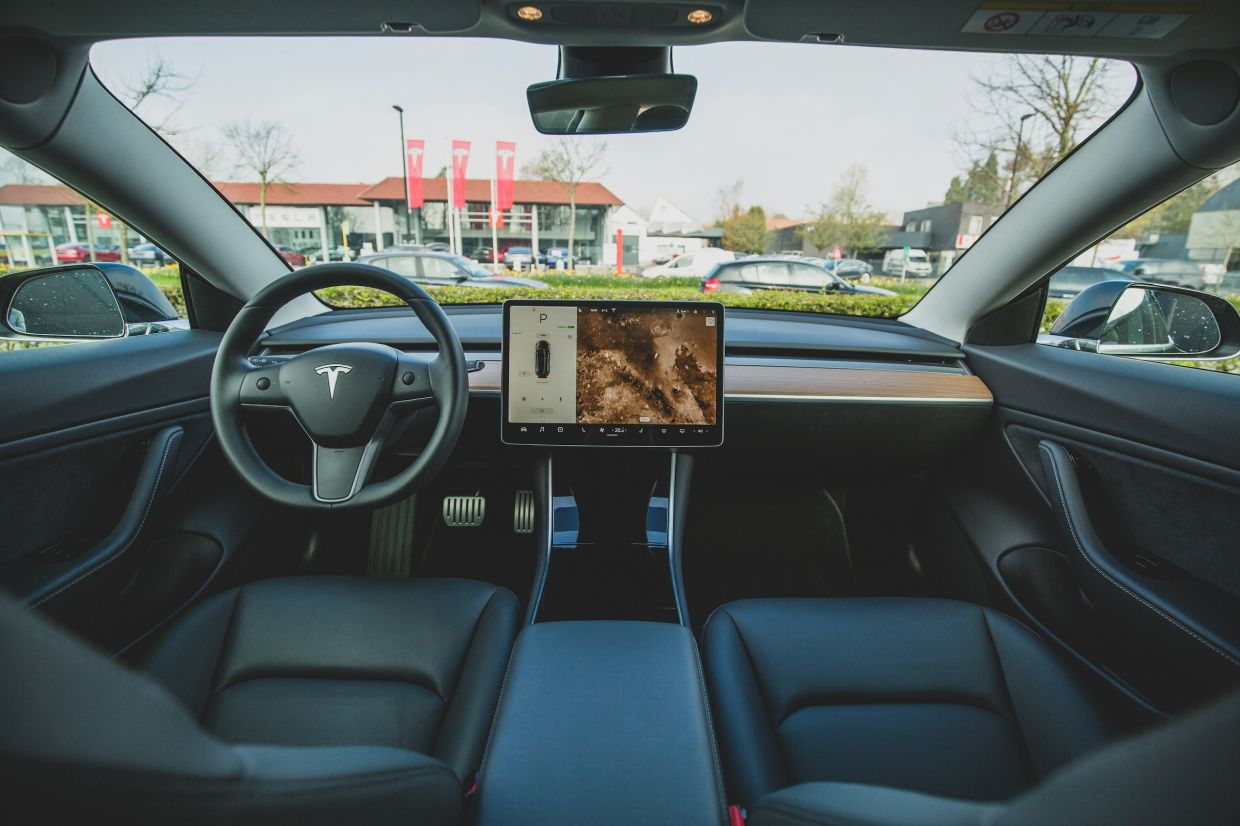
Tesla has reached a settlement in a lawsuit arising from a fatal 2023 collision on an Arizona highway involving the company's Full Self-Driving (FSD) system, marking a quiet resolution to a case that has haunted the automaker's autonomous ambitions. The settlement was confirmed by the plaintiff's attorney, though neither party disclosed financial terms or other details of the agreement. The resolution comes as federal regulators intensify their scrutiny of whether Tesla's automation technology poses an unacceptable safety risk to the public.
The incident that triggered the lawsuit occurred when Johna Story, a 71-year-old motorist, exited her vehicle on a busy Arizona highway to assist with traffic management at a site where other vehicles had already collided due to severe sun glare. While standing on the roadway, Story was struck at high speed by a Tesla Model Y SUV operating under the FSD system. The collision proved fatal, making Story's death the first documented pedestrian fatality directly attributable to Tesla's automated driving technology—a distinction that generated immediate attention from safety regulators and the media.
Story's daughter pursued legal action against both Tesla and the vehicle's operator, seeking accountability for the tragedy. Attorney Dustin Birch, representing the family, confirmed in recent communications that the case has been concluded, stating that his client was satisfied with the outcome and wished to move forward. Tesla and its legal representatives declined to comment on the settlement or provide any additional information, maintaining the discretion that has characterized much of the company's handling of safety-related incidents.
The fatality occurred within a broader context of road safety concerns in the United States. Story's death was among the 40,901 traffic fatalities recorded across American roads in 2023, a year marked by persistent challenges in vehicle safety despite technological advances. However, the fact that her death was specifically linked to an autonomous system rather than traditional human error or mechanical failure gave the incident heightened regulatory and public significance, raising questions about the readiness of FSD technology for unrestricted public use.
Corporate leadership at Tesla, particularly Chief Executive Officer Elon Musk, has made autonomous vehicle technology central to the company's strategic direction. The company views FSD as foundational to its broader vision of deploying a fleet of driverless robotaxis, representing a transformative bet on the future of transportation. This aggressive pivot toward automation has shaped Tesla's product roadmap, marketing strategy, and investor communications, with the company actively seeking regulatory approvals for FSD deployments across multiple jurisdictions worldwide.
Regulatory concerns about FSD's safety have mounted steadily since the Arizona fatality. The National Highway Traffic Safety Administration (NHTSA) initiated a formal investigation in 2024 after determining that the incident warranted closer examination of systemic risks. This year, the agency escalated the investigation to what it designates as an engineering analysis—a more intensive form of scrutiny that involves detailed technical evaluation of whether the system meets baseline safety standards. The elevation signals NHTSA's conviction that potential defects in the technology warrant comprehensive assessment.
Central to NHTSA's concerns is Tesla's system performance under challenging visibility conditions. Federal investigators have documented that FSD struggles to function reliably when environmental factors degrade camera visibility, including intense sun glare, suspended dust particles, and fog. The agency found that in multiple crash incidents it reviewed, Tesla's cameras failed to detect these degraded visibility states until moments before collision occurred, leaving insufficient time for human intervention. This timing gap between system failure and impact represents a critical safety flaw that undermines the premise of a safety net provided by driver oversight.
The pattern of failures extends beyond simple detection problems. NHTSA's analysis revealed that when environmental conditions deteriorated, Tesla's FSD system frequently lost track of vehicles directly ahead in its path or never detected them initially. Combined with the delayed detection of visibility degradation, this created a cascade of failures where the system operated with incomplete information about both road conditions and immediate hazards. Multiple crashes followed this identical sequence, suggesting that these are not isolated incidents but rather systematic vulnerabilities in how the technology processes environmental data.
Tesla's response to the investigation has included hardware modifications aimed at addressing the detection issues. The company announced during its April earnings call that it has retrofitted older vehicles with upgraded camera systems designed to improve performance in adverse visibility conditions. Simultaneously, Tesla representatives indicated ongoing cooperation with NHTSA, suggesting that the company recognizes the seriousness of the regulatory probe and the potential consequences of failing to demonstrate meaningful progress on safety improvements.
For Malaysian readers and Southeast Asian observers, the significance of this case extends beyond Tesla's immediate operational challenges. The region is closely watching how advanced driver assistance and autonomous systems will integrate into local transportation networks. Several Southeast Asian nations are considering regulatory frameworks for autonomous vehicles, and the technical shortcomings identified in Tesla's FSD system offer crucial lessons about the governance and testing standards that should precede deployment. The Arizona fatality and subsequent regulatory response underscore the reality that automation technology, however sophisticated, requires rigorous validation before public adoption.
The quiet settlement of the Story lawsuit stands in contrast to the intensifying federal investigation, suggesting divergent timelines for resolution. While the family may have reached closure through the settlement, NHTSA's engineering analysis will likely continue for months, potentially resulting in formal safety determinations that could affect FSD's availability across the United States. Should NHTSA conclude that FSD poses unacceptable risks, the regulatory implications would extend globally, influencing how other jurisdictions approach approval of similar technologies.
Tesla's aggressive timeline for deploying autonomous and robotic taxi services now intersects with a regulatory environment that has grown considerably more cautious and demanding. The company faces pressure to demonstrate that recent technical improvements have genuinely addressed the camera detection failures documented in crash investigations. The coming months will reveal whether Tesla can satisfy NHTSA's safety concerns or whether regulators will impose restrictions on FSD deployment until more comprehensive validation occurs. For consumers, investors, and policymakers worldwide, the outcome of this investigation will signal whether current autonomous vehicle technology has achieved the maturity required for safe public deployment or whether more development remains necessary.

