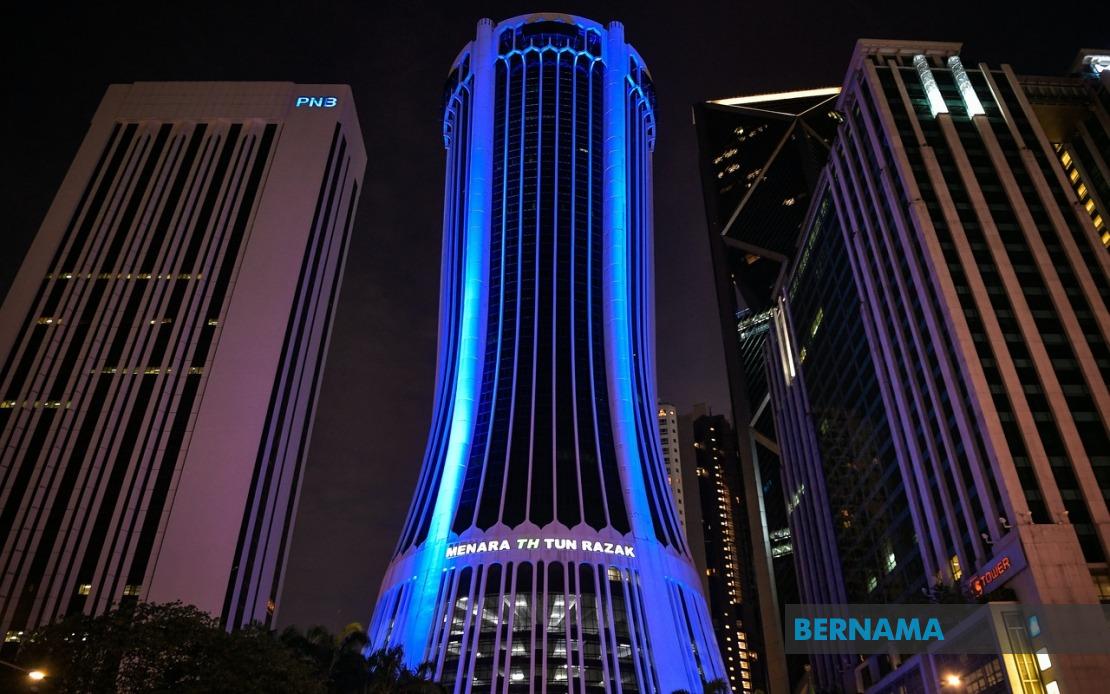
Lembaga Tabung Haji faces a critical juncture in rebuilding institutional credibility with its millions of depositors, according to analysts who emphasise that transparent, consistent communication must form the cornerstone of its recovery strategy. Following the public release of the Royal Commission of Inquiry report in late July, which exposed governance and management deficiencies spanning 2014 to 2020, the hajj fund administrator needs to move swiftly beyond damage control towards demonstrating genuine institutional reform through sustained engagement with its stakeholder base.
Dr Mohd Kamarul Amree Mohd Sarkam, a senior lecturer at the Academy of Islamic Defence Studies at Universiti Pertahanan Nasional Malaysia, contends that TH's communication deficit represents one of its most pressing challenges in the near term. The institution's depositor base comprises predominantly younger Malaysians—millennials and Generation Z cohorts—who consume news and information primarily through digital channels. This demographic reality demands that TH abandon traditional communication approaches in favour of sustained, strategic engagement across social media platforms, mobile applications, and digital news outlets where its target audience naturally congregates. By maintaining a consistent presence in these spaces and proactively addressing concerns, TH can demonstrate that it takes depositor anxieties seriously and is committed to transparent governance.
Beyond merely acknowledging problems, TH must construct a compelling narrative around its achievements that positions the institution as deserving of continued public confidence. Dr Mohd Kamarul Amree highlights that Malaysia's hajj management system has garnered formal recognition from the Saudi Arabian government, a distinction that underscores the technical competence and professionalism embedded within TH's operational structures. This positive dimension deserves prominent placement in the institution's communication strategy, allowing depositors to appreciate that underlying operational excellence remains intact even as governance frameworks require strengthening. The reputational capital generated by international recognition can serve as a counterweight to the negative headlines surrounding the RCI findings.
Structural reform of TH's leadership apparatus represents an equally crucial component of the recovery strategy. The current practice of appointing political figures to senior management positions has eroded public confidence and created the perception that TH operates as an extension of partisan interests rather than as an independent institution serving depositors' financial interests. Dr Mohd Kamarul Amree advocates for a comprehensive governance overhaul that replaces political appointees with experienced technocrats and business professionals whose credentials stem from their proven track records in financial management and institutional leadership. This transition would insulate TH from accusations of political interference and signal to depositors that professional competence rather than political loyalty now governs the institution's direction.
The recommendations contained in the RCI report, which identified 25 specific areas requiring improvement, must be implemented with demonstrable urgency and completeness. Dr Mohd Kamarul Amree specifically calls for amendments to the TH Act as recommended by the inquiry, alongside structural changes that place the management of TH's financial resources directly under ministerial oversight through the Minister of Finance. These reforms would establish clearer accountability mechanisms and reduce the scope for discretionary decision-making that previously enabled the institutional weaknesses documented in the RCI inquiry. The government's stated policy commitment to strengthening institutional integrity and eradicating corruption provides political cover for implementing these potentially difficult changes.
Public scepticism about the pace and authenticity of TH's reform efforts poses another significant obstacle to confidence restoration. Dr Mohd Afzanizam Abdul Rashid, chief economist at Bank Muamalat Malaysia Bhd, emphasises that confusion regarding the RCI report's timeline and findings continues to circulate among depositors. Misinformation suggesting that the report was recently completed, rather than finalised in 2022, reflects a communication vacuum that TH has inadequately filled. This information gap allows rumours and speculation to flourish, progressively undermining depositor confidence through a thousand small concerns rather than addressing substantive issues directly and transparently.
Dr Mohd Afzanizam recommends that TH organise extensive outreach campaigns featuring town hall sessions and community engagement forums at the district level across Malaysia. These direct, face-to-face interactions would allow depositors to question TH management directly, clarify misconceptions, and observe firsthand that the institution's financial position remains fundamentally sound despite the governance challenges identified in the RCI inquiry. Such grassroots engagement also demonstrates organisational respect for depositors by bringing explanations and updates directly to communities rather than expecting depositors to seek out institutional communications.
The financial resilience of TH requires careful communication to counter narratives of institutional collapse. Dr Mohd Afzanizam stresses that TH must unequivocally assure depositors that despite the governance weaknesses identified in the RCI report, the institution's financial foundations remain secure and capable of meeting its obligations to savers. This message needs repetition and reinforcement across multiple communication channels, particularly given the anxiety that RCI findings naturally provoke among depositors whose life savings are held within TH.
The timing of communications carries significance as well. The special parliamentary sitting held to table and debate the RCI report created a natural platform for communicating reform commitments to the broader public. TH should have leveraged this moment to articulate a comprehensive reform agenda and timeline, ensuring that public consciousness of the RCI findings became synonymous with public awareness of TH's response rather than lingering solely on the negative findings. The institution appears to have missed this opportunity for framing, allowing the narrative space to fill with concern rather than confidence.
Institutional integrity, both within TH and across the broader Malaysian public sector, depends on transparent governance and merit-based leadership selection. The RCI inquiry represents a valuable reminder to all government-linked institutions that stakeholder trust cannot be taken for granted and that systemic weaknesses, if left unaddressed, progressively erode public confidence. For TH specifically, the path forward requires acknowledging past deficiencies while demonstrating that professional management and transparent governance now characterise institutional operations. This combination of accountability and forward momentum offers the most realistic pathway to restoring the confidence that millions of Malaysian savers have invested in the institution.
The challenge confronting TH extends beyond technical financial management to encompass a fundamental question about institutional legitimacy in a democratic context. Depositors must believe not merely that their money remains secure, but that TH operates as a professional institution accountable to their interests rather than to political patrons or particular ideological agendas. The recommended combination of enhanced digital communication, grassroots outreach, expert-led governance, and transparent implementation of RCI recommendations provides a comprehensive framework for addressing this legitimacy deficit. Success requires sustained commitment and measurable progress rather than symbolic gestures, with the ultimate test being whether depositor confidence measurably improves over the coming months and years.

