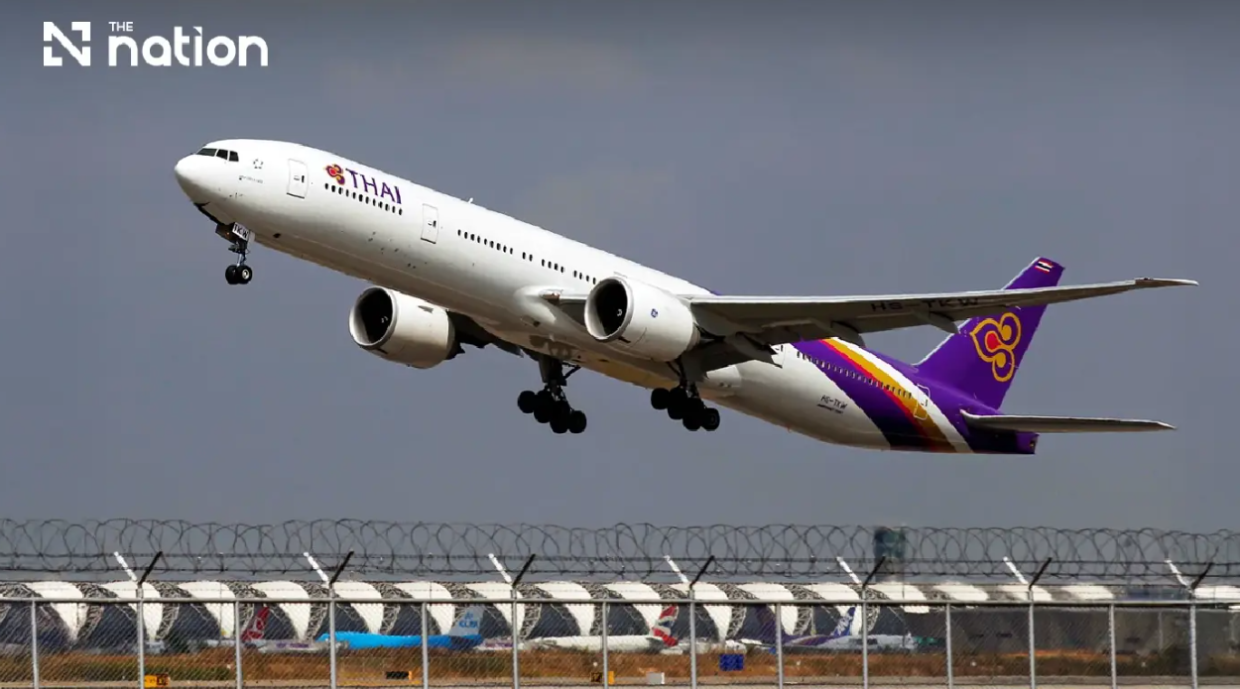
Thai Airways International's chief executive Chai Eamsiri has assured Australian law-enforcement agencies of the airline's complete cooperation in investigating the arrest of a flight attendant caught with a substantial quantity of heroin upon arrival in Melbourne. The case, which centres on a cabin crew member aboard flight TG465 from Bangkok to Melbourne, represents a significant challenge for the country's flagship carrier as it navigates both the immediate legal proceedings and broader reputational consequences.
Australian customs and border authorities apprehended the 26-year-old Thai Airways employee on June 25 after discovering more than one kilogramme of heroin concealed in her baggage as she disembarked at Melbourne Airport. The narcotics seizure, valued at approximately A$500,000—equivalent to roughly 11.5 million baht—marks one of the more substantial drug interdictions involving airline staff at the Australian border in recent memory. The severity of the discovery has triggered a multi-tiered investigative response, with Australian Federal Police and the Australian Border Force both pursuing formal charges that carry potential sentences of up to 25 years imprisonment for each offence.
Chai's public statement emphasises that Thai Airways will not obstruct Australia's legal proceedings, positioning the airline as a cooperative partner rather than an obstacle to justice. This diplomatic approach reflects the delicate balancing act required when a national carrier's employee faces serious criminal allegations in a foreign jurisdiction. By clearly delineating between the airline's internal disciplinary processes and the external legal system, Thai Airways seeks to demonstrate corporate responsibility while respecting Australian sovereignty and the independence of its courts.
Internally, Thai Airways has moved swiftly to contain the damage and reassert operational standards. The suspended employee faces an expedited disciplinary panel inquiry scheduled to conclude within seven days, after which the airline will determine whether to impose its severest punishment: outright dismissal. This compressed timeline reflects both the seriousness of the allegations and the airline's desire to signal swift action to stakeholders, regulators, and the travelling public. The outcome is virtually predetermined given the criminal charges; the seven-day process serves primarily as a procedural safeguard and demonstrates due process.
Chai acknowledged candidly that the incident poses genuine risks to Thai Airways' international standing and could create complications for Thai crew members and nationals seeking entry to Australia. However, he expressed confidence that Australian authorities would evaluate individuals on their own merits rather than imposing blanket restrictions on all Thai travellers based on a single case. This optimistic framing, while diplomatically prudent, understates the potential for heightened security protocols and increased scrutiny of Thai Airways staff at Australian immigration checkpoints—a consequence that often materialises following high-profile smuggling cases regardless of official assurances.
The airline's senior management pointed to existing protocols as evidence of a robust compliance framework. Thai Airways operates with more than 4,000 cabin crew members and over 1,000 pilots, all of whom receive pre-flight briefings on regulatory requirements, prohibited items, and the consequences of violations. Yet Chai's candid admission that some individual conduct remains difficult to control despite comprehensive rules reveals the inherent limitations of institutional oversight in an industry where employees operate across multiple jurisdictions with varying enforcement regimes and opportunities for illicit activity. This transparency, while refreshing, underscores why the incident may prompt tighter supervision protocols throughout the airline's operations.
Thailand's Civil Aviation Authority has initiated parallel inquiries, recognising that the matter extends beyond corporate discipline into questions of airport security procedures and screening effectiveness. The CAAT has engaged with both Bangkok airport operators and Thai Airways to examine potential procedural gaps. The regulator has also clarified that while aviation security screening at Thai checkpoints focuses primarily on preventing items that threaten aircraft safety—explosives, weapons, and other conventional threats—narcotics interdiction falls within law-enforcement jurisdiction. This distinction is important for understanding why a cabin crew member might potentially pass through Thai airport security protocols even while allegedly carrying contraband destined for Australian markets.
The apparent contradiction raises uncomfortable questions about the adequacy of pre-flight screening at Bangkok's Suvarnabhumi Airport. If the heroin was indeed packed into the employee's checked baggage before departure from Thailand, it suggests either that screening mechanisms failed to detect it, or that insider knowledge and airport access permitted bypass of standard procedures. Such scenarios have emerged repeatedly in international drug trafficking cases and point to vulnerabilities in supply-chain security that no airline can entirely eliminate unilaterally. The CAAT's involvement signals that Thai regulatory authorities understand the reputational stakes for Thailand's aviation system extend beyond Thai Airways as a corporate entity.
For Malaysian readers and regional observers, this incident carries broader implications regarding aviation security standards across Southeast Asia. Thailand's tourism and airline industries depend heavily on passenger confidence and international flight permissions; any sustained damage to Thailand's reputation as a well-regulated aviation market could ripple across the region. Similarly, the case demonstrates how individual employee misconduct in high-trust positions—flight crew enjoy privileged access to secured areas and carry significant responsibility—can rapidly escalate into diplomatic and regulatory complications affecting entire nations' civil aviation portfolios.
The suspect is scheduled to reappear before Melbourne Magistrates' Court on September 14, a date that will determine whether she faces trial or enters guilty pleas. During the intervening period, Thai Airways' disciplinary process will almost certainly conclude with dismissal, effectively separating the airline from the accused employee before any criminal verdict emerges. This sequencing allows the airline to demonstrate institutional accountability independent of court outcomes, though it will not insulate Thai Airways from potential regulatory scrutiny regarding hiring, screening, and supervisory practices that may have enabled or failed to prevent the alleged offence.
Looking forward, the incident will likely prompt Thai Airways and other Southeast Asian carriers to intensify background checks, financial screening, and psychological assessments for cabin crew members, particularly those with access to checked baggage during loading and boarding phases. International aviation authorities may also revisit protocols for monitoring staff conduct during layovers and ground time, recognising that some of the highest-risk vulnerability windows occur outside the formal flight environment. The case serves as a reminder that institutional safeguards, however comprehensive, cannot completely eliminate the possibility of individual breaches, particularly when employees face personal financial pressures or are targeted by organised trafficking networks seeking to exploit their airport access.

