Thailand's civil aviation authorities and Thai Airways International moved swiftly on Monday to initiate investigations and coordinate with Australian law enforcement following the detention of a Thai crew member at Melbourne Airport. The incident unfolded on Thursday when a 26-year-old Thai national working as a flight attendant underwent routine baggage screening upon arrival, leading to the discovery of a significant drug cache that has triggered diplomatic and regulatory responses across both nations.
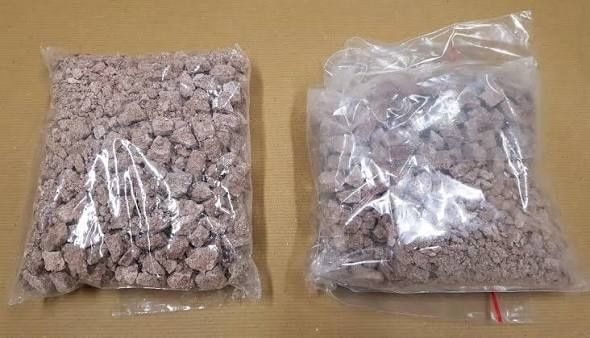
The Australian Federal Police disclosed that Border Force officers detected a white powder substance hidden within the lining of the crew member's bags during X-ray examination at the airport. Subsequent testing and analysis confirmed the material as heroin, with officials seizing more than one kilogram of the narcotic. The discovery immediately placed the individual in police custody and initiated formal judicial proceedings under Australian law, where penalties for drug trafficking and importation carry severe mandatory sentences.
Thai Airways International responded through a public statement posted on its official Facebook page, emphasising its commitment to full cooperation with Australian legal authorities whilst simultaneously safeguarding the crew member's fundamental rights throughout the judicial process. The airline engaged relevant legal representatives and coordinating bodies to ensure proper guidance during proceedings, whilst also pledging transparent collaboration with all investigating officers from both nations. This measured response reflects the airline's awareness of both the gravity of the allegations and the need to maintain institutional credibility in the eyes of passengers and regulatory bodies.
The carrier reiterated its strict enforcement of comprehensive regulations covering all personnel categories, from pilots to flight attendants, which explicitly prohibit possession, importation, transportation, or engagement in any illegal activities involving drugs and controlled substances. Thai Airways characterised the incident as reflecting the individual misconduct of a single staff member rather than systemic failures in company policy or screening procedures. This distinction proved significant for the airline's reputation, as it attempted to separate personal criminal behaviour from institutional practices whilst remaining accountable to oversight authorities.
The Civil Aviation Authority of Thailand (CAAT), the nation's lead regulator for civil aviation security, initiated its own parallel investigation by coordinating with airport operators and other carriers to verify the facts surrounding the case and conduct a thorough review of operational procedures. The regulator confirmed that all passenger and baggage security screenings conducted at Thai airports fully comply with CAAT's internal security standards, which align closely with the technical guidance and recommended practices established by the International Civil Aviation Organization (ICAO). This alignment with international best practices positioned Thailand favourably within global aviation governance frameworks.
CAAT clarified an important jurisdictional distinction: whilst aviation security operations fall squarely within its regulatory purview and focus on preventing prohibited items from boarding aircraft, narcotics enforcement and criminal drug investigations remain the responsibility of dedicated law enforcement agencies with statutory authority. The regulator noted that such sensitive operations require seamless cross-agency cooperation at both domestic and international levels, reflecting the complex coordination required when aviation security intersects with serious criminal activity. This acknowledgment underscored how a single incident can activate multiple governance channels simultaneously.
The incident carries broader implications for Southeast Asia's aviation sector, which faces persistent challenges in preventing drug trafficking through international flights. The region serves as a significant transshipment corridor for narcotics flowing toward Australia and beyond, making airports and crew members potential vulnerability points in smuggling networks. Thai Airways' response and CAAT's coordination demonstrate how transparency and regulatory engagement can help maintain international confidence in the region's aviation systems, even when criminal conduct surfaces among employees.
For Malaysian readers and the wider Southeast Asian aviation community, this case highlights the security vulnerabilities that persist despite modern screening technology and regulatory frameworks. The fact that heroin was discovered only during X-ray examination at the destination country, rather than during screening in Thailand, raises questions about consistency in baggage inspection procedures across regional airports. This scenario underscores the importance of continuous investment in equipment, training, and inter-agency information sharing to prevent similar incidents.
CAAT indicated that regulatory consequences would follow if the involved personnel faced conviction, with the authority prepared to exercise its full enforcement powers under aviation legislation to uphold safety standards and public confidence in Thailand's civil aviation system. These potential sanctions could include licence revocation, employment restrictions, and operational penalties for Thai Airways should systemic failures be identified. The statement signalled that whilst the authority recognises the presumption of innocence in ongoing judicial proceedings, it stands ready to implement protective measures based on investigation findings.
The cooperation between Thai and Australian authorities demonstrates the established protocols between ICAO member states when incidents occur on international flights. Such coordination includes information exchange, evidence sharing, and alignment on investigative procedures that respect both nations' legal systems. For Thailand, maintaining this cooperative relationship proves essential given Australia's status as a major trading partner and destination for Thai tourism and aviation services, making reputational considerations in the aviation sector commercially important.
As investigations proceed in Australian courts, Thai authorities will conduct parallel reviews to determine whether systemic vulnerabilities exist in recruitment screening, employee monitoring, or security procedures. The outcome could influence hiring practices and security protocols across Thai carriers and may inform discussions within ASEAN aviation forums regarding best practices for crew member vetting and ongoing compliance monitoring. This incident will likely feature in industry seminars and regulatory workshops examining organised crime's continued attempts to exploit aviation networks for transnational drug smuggling operations.

