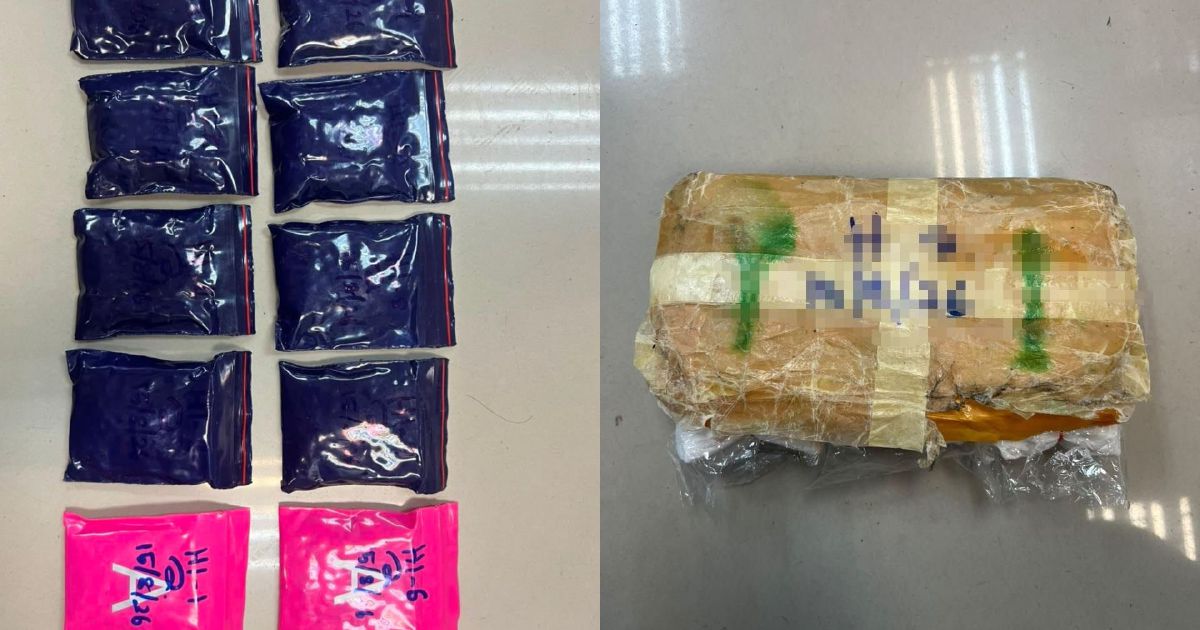
Police have arrested a 45-year-old Thai national during a drug enforcement operation in Pasir Mas, with officers seizing approximately 6,000 yaba pills estimated at RM60,000 in street value. The operation took place at Kampung Rahmat near Rantau Panjang, the border settlement that lies just kilometres from the Thailand-Malaysia frontier.
The arrest underscores the persistent challenge of methamphetamine trafficking flowing through Kelantan's porous border regions. Yaba, colloquially known as "crazy drug" or "madness pill" in Southeast Asian street parlance, remains one of the most trafficked synthetic drugs across the region, with Thailand serving as a primary source for illicit manufacturers who supply markets throughout Malaysia and beyond. The scale of this particular seizure—with pills numbering in the thousands—suggests an operation aimed at significant distribution rather than personal consumption.
Pasir Mas district, situated in the northeastern corner of Peninsular Malaysia, has long been identified as a strategic corridor for drug smuggling operations. The area's geographical proximity to Thailand, combined with rural terrain and multiple crossing points, creates enforcement challenges for Malaysian authorities. Rantau Panjang itself sits directly across from Thai territory, making the district a natural transit point for contraband flowing southward from production zones in northeast Thailand.
The valuation of the seized pills at RM60,000 reflects both the quantity and the potency of contemporary street yaba, which typically commands between RM10 and RM15 per pill at Malaysian retail level. This pricing structure illustrates the substantial profit margins available to traffickers, particularly those operating at the wholesale distribution stage. For context, a single yaba pill often contains 30 to 50 milligrams of methamphetamine combined with caffeine, making it a particularly potent formulation favoured by users seeking intensive stimulant effects.
The arrest arrives amid intensifying awareness of methamphetamine's grip on Malaysian society, particularly among younger demographics. National narcotics agencies have increasingly flagged amphetamine-type stimulants as a priority concern, partly because their compact, portable nature makes them easier to conceal during transit compared to heroin or other bulkier drugs. The proliferation of yaba across Southeast Asia has paralleled growing production capacity in clandestine laboratories throughout the region, especially in areas of Myanmar and Thailand where enforcement remains inconsistent.
Border security operations targeting this trafficking corridor have expanded considerably in recent years. Joint Malaysian-Thai cooperation initiatives have increased checkpoint vigilance and intelligence-sharing mechanisms, though gaps remain in enforcement capacity given the extensive terrain involved. Police operations such as the one in Pasir Mas represent tactical successes but often serve as snapshots within a much larger, ongoing struggle against organised trafficking networks.
The suspect's nationality points toward the transnational dimension of this criminal enterprise. Thai nationals, whether acting as independent couriers or within structured trafficking organisations, frequently feature in Malaysian drug arrest statistics across border states. The involvement of a mid-level operative—given the quantity seized—suggests potential connections to larger distribution hierarchies rather than independent freelance operation.
Conviction for yaba trafficking in Malaysia carries severe penalties. Under the Dangerous Drugs Act 1952, trafficking offences involving methamphetamine can result in sentences ranging from a minimum of 12 years to a maximum of 40 years imprisonment, alongside mandatory caning. For quantities approaching 6,000 pills, prosecutors typically pursue trafficking charges rather than simpler possession counts, with courts generally viewing such volumes as presumptive evidence of intent to distribute.
The continued flow of yaba through Kelantan reflects broader supply-chain dynamics affecting the Southeast Asian drug trade. As enforcement against traditional opioids tightens in certain areas, traffickers increasingly pivot toward synthetic drugs, which offer advantages in production consistency, portability, and user demand elasticity. This shift has important public health implications, as methamphetamine addiction pathways and withdrawal profiles differ substantially from those associated with heroin, requiring distinct treatment and rehabilitation approaches.
Local authorities and federal enforcement agencies will likely intensify operations throughout Pasir Mas and surrounding Kelantan border districts as part of ongoing counter-narcotics campaigns. The strategic significance of this region—coupled with persistent trafficking pressure—ensures that border security remains a critical focus for Malaysian law enforcement operations targeting the source-to-user supply chains that fuel the region's ongoing drug crisis.

